Back to Main Menu


LOAD CELLS
Designed, Machined and Calibrated to The Highest Possible Standard
At Procter & Chester Measurements (PCM), we’ve been supplying precision-engineered load cells for over 40 years. Trusted by industries ranging from aerospace and automotive to research and defence, our extensive range of load cells is built for accuracy, reliability, and long-term performance. Whether you need a compression load cell, tension load cell, shear beam, or a custom-built solution, we offer expert guidance and UK-based support to help you find the perfect fit. Browse our full range below or contact us for tailored advice.
Home > Load Cells


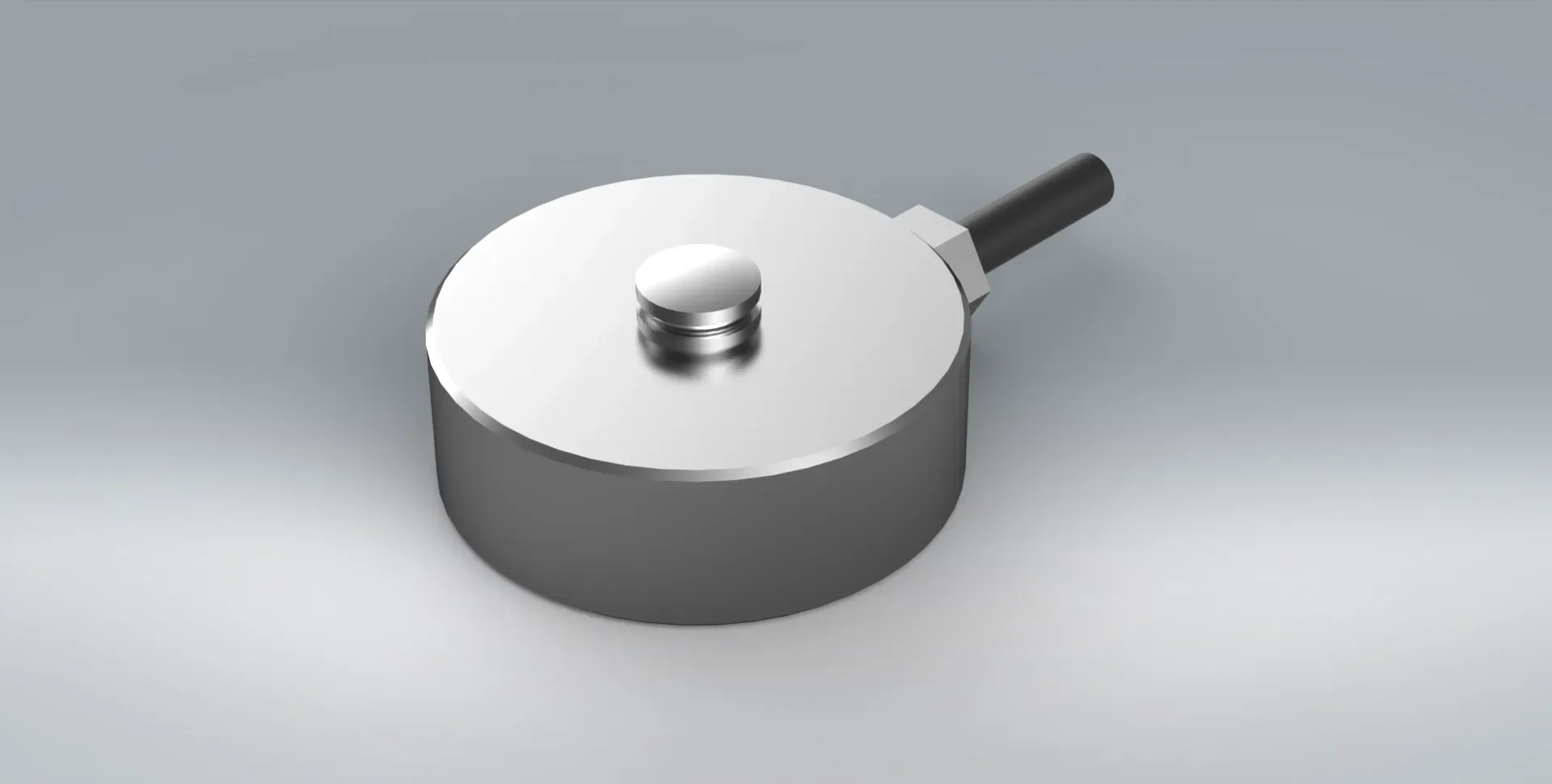
CAPACITY: 50KG - 2500KG
NON-LINEARITY: ±0.20% FS
RATING: IP67 available
NON-LINEARITY: ±0.20% FS
RATING: IP67 available
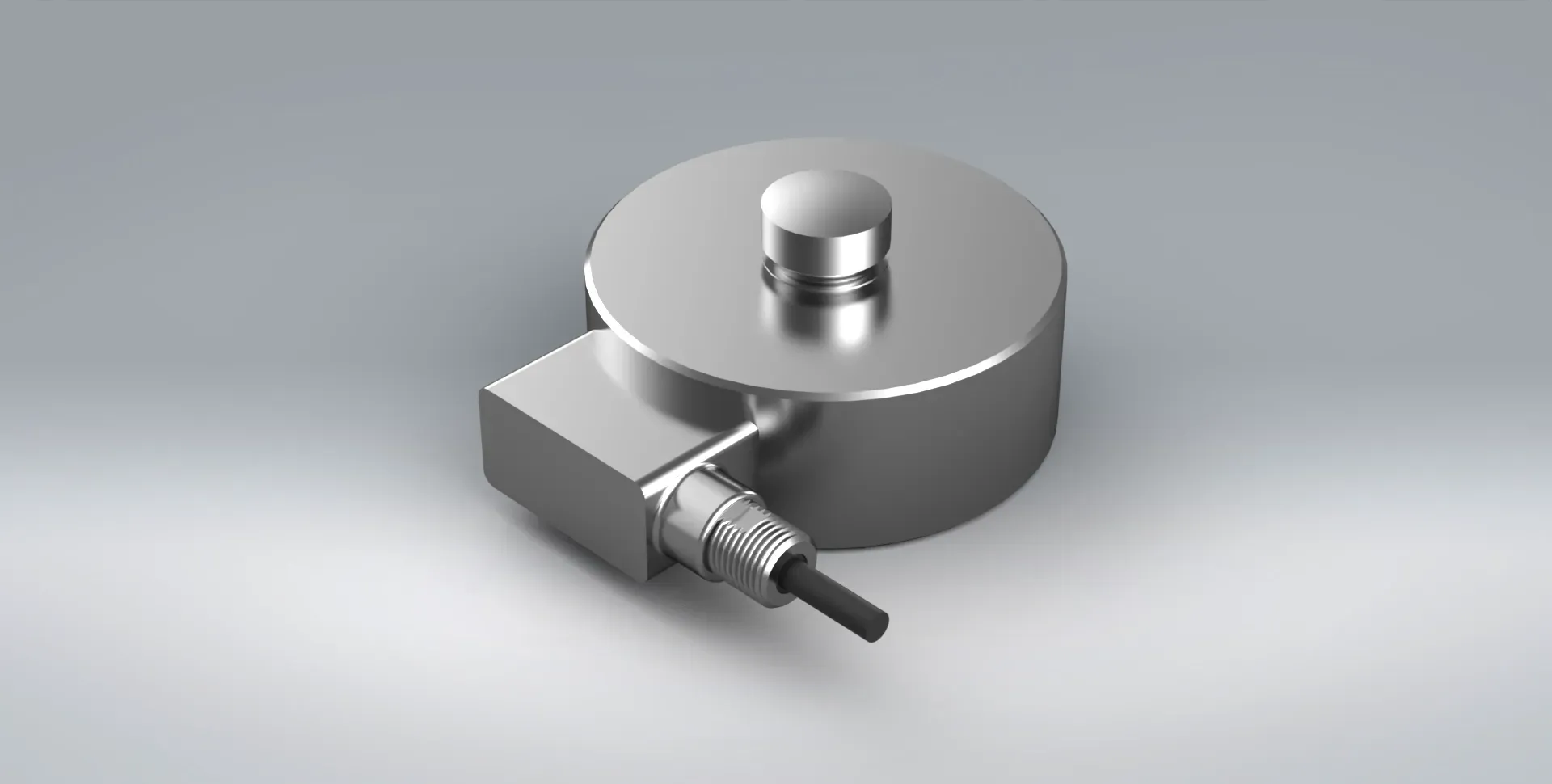
CAPACITY: 100KG - 200tf
NON-LINEARITY: ±0.023% FS
RATING: IP68
available
NON-LINEARITY: ±0.023% FS
RATING: IP68
available
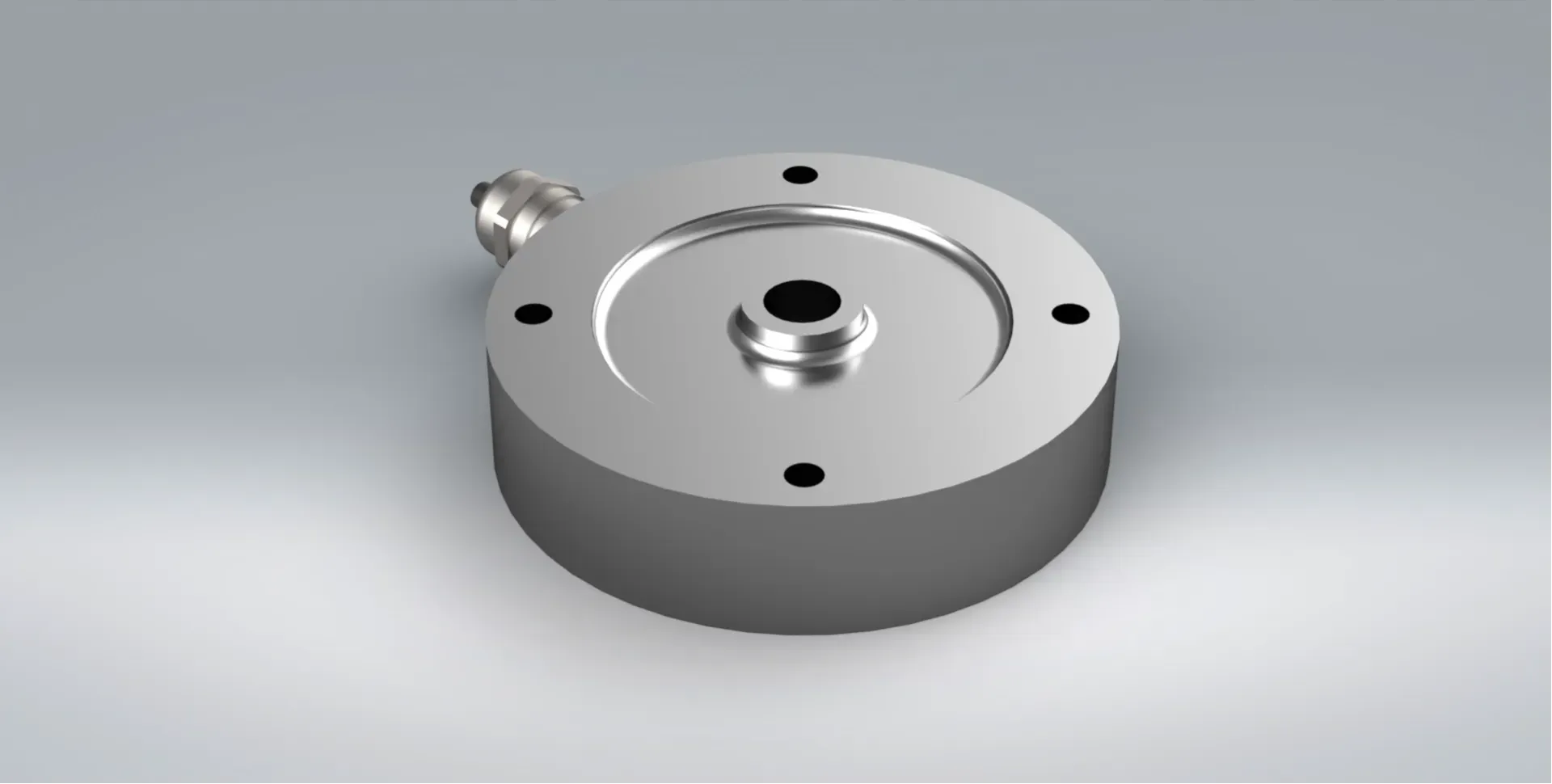
CAPACITY: 500KG - 1000KG
NON-LINEARITY: ±1% FS
RATING: IP65
available
NON-LINEARITY: ±1% FS
RATING: IP65
available
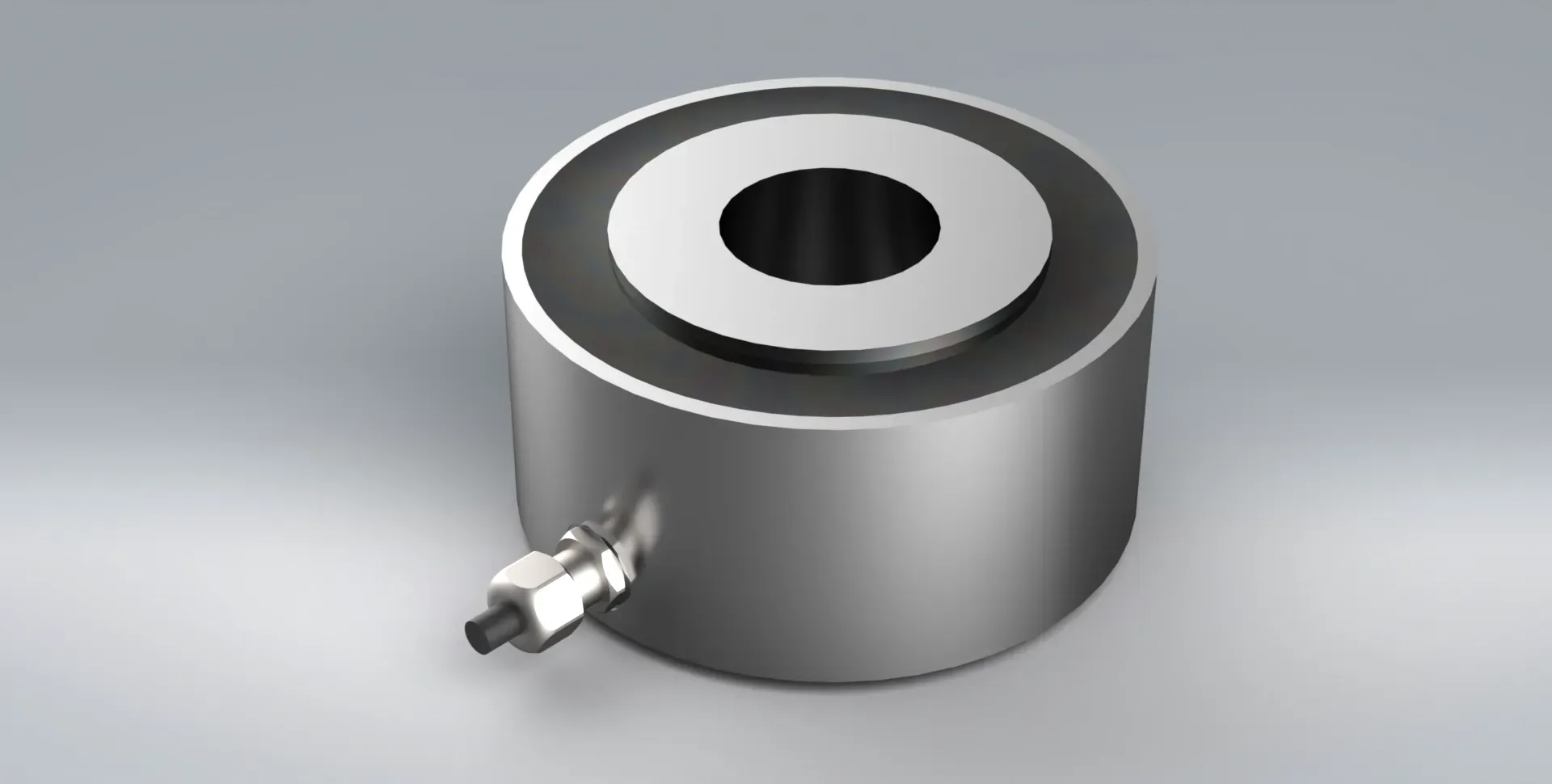
CAPACITY: 4TF - 80TF
NON-LINEARITY:±1% FS
RATING: IP67
available
NON-LINEARITY:±1% FS
RATING: IP67
available

CAPACITY: 15TF – 200TF
NON-LINEARITY: ±1% FS
RATING: IP65
NON-LINEARITY: ±1% FS
RATING: IP65

CAPACITY: 75TF – 500TF
NON-LINEARITY: ±0.5% FS
RATING: IP65
available
NON-LINEARITY: ±0.5% FS
RATING: IP65
available

CAPACITY: 30TF – 500TF
NON-LINEARITY: ±0.023% FS
RATING: IP68
available
NON-LINEARITY: ±0.023% FS
RATING: IP68
available

CAPACITY: 50TF– 1000TF
NON-LINEARITY: ±0.25% FS
RATING: IP65
NON-LINEARITY: ±0.25% FS
RATING: IP65
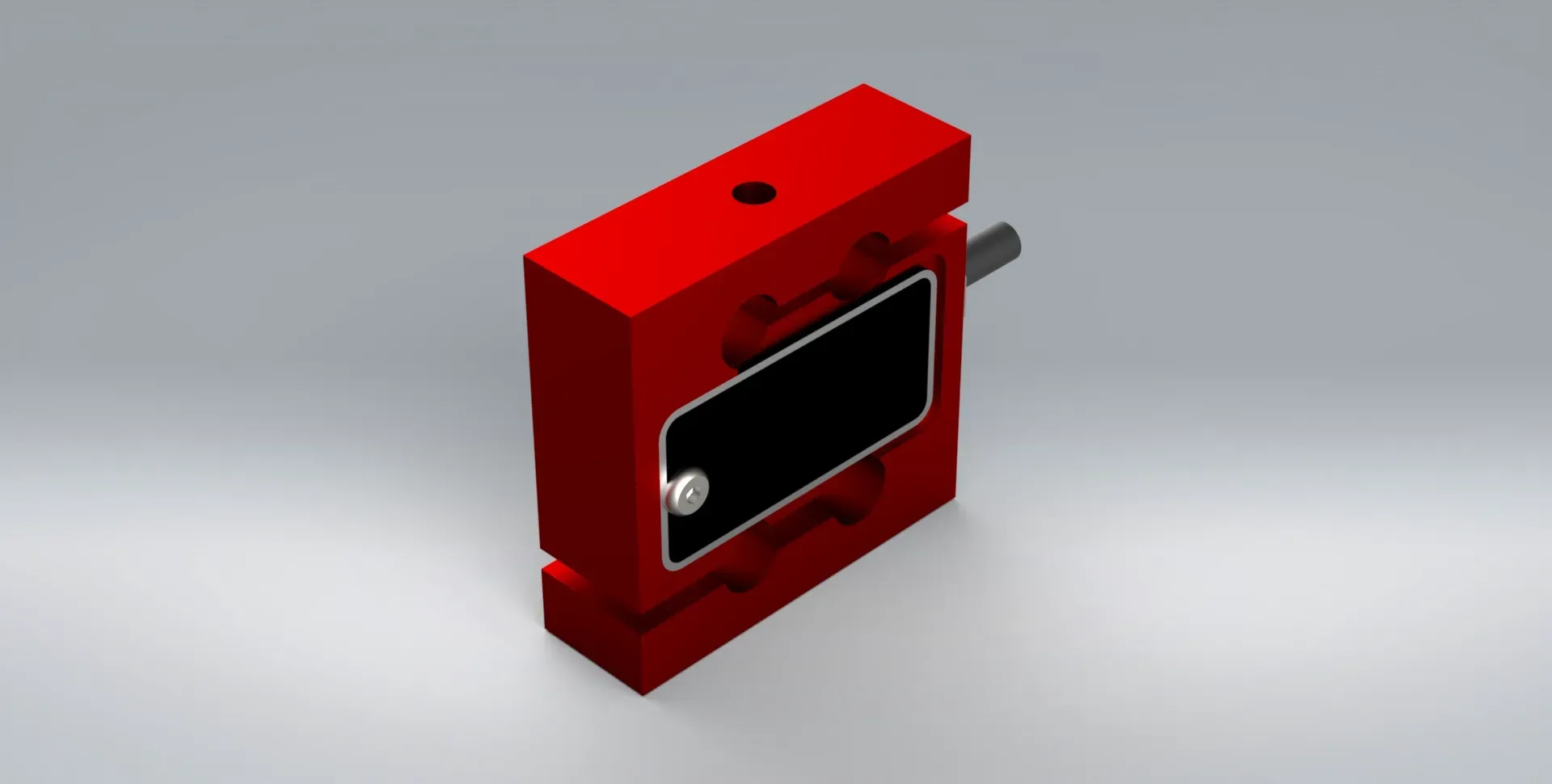
CAPACITY: 1KG – 50KG
NON-LINEARITY: ±0.03% FS
RATING: IP20
NON-LINEARITY: ±0.03% FS
RATING: IP20
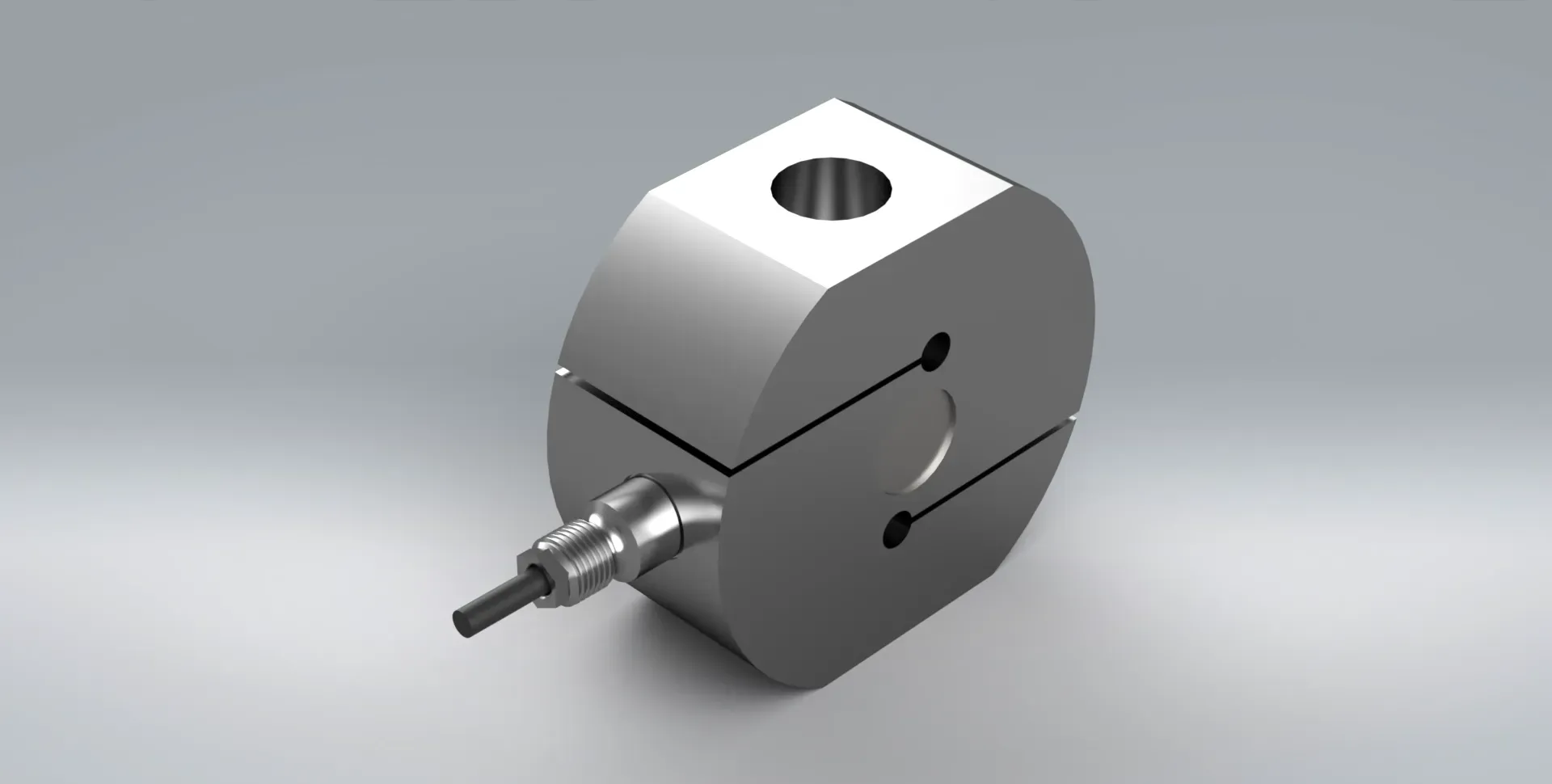
CAPACITY: 10KG-10,000KG
NON-LINEARITY: N/A
RATING: IP65/IP68
available
NON-LINEARITY: N/A
RATING: IP65/IP68
available
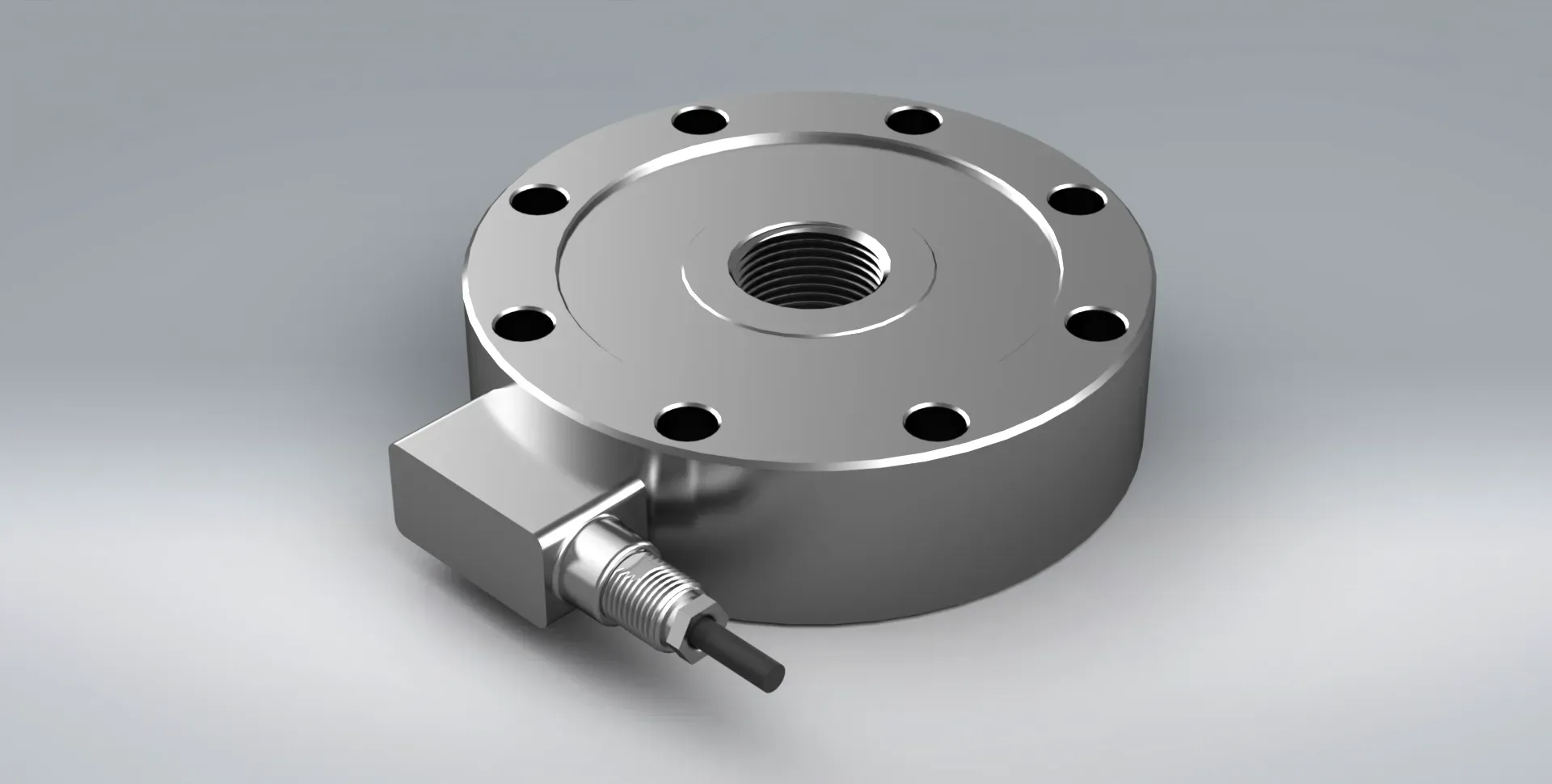
CAPACITY: 0.5TF – 500TF
NON-LINEARITY: ±0.05% FS
RATING: IP67
NON-LINEARITY: ±0.05% FS
RATING: IP67
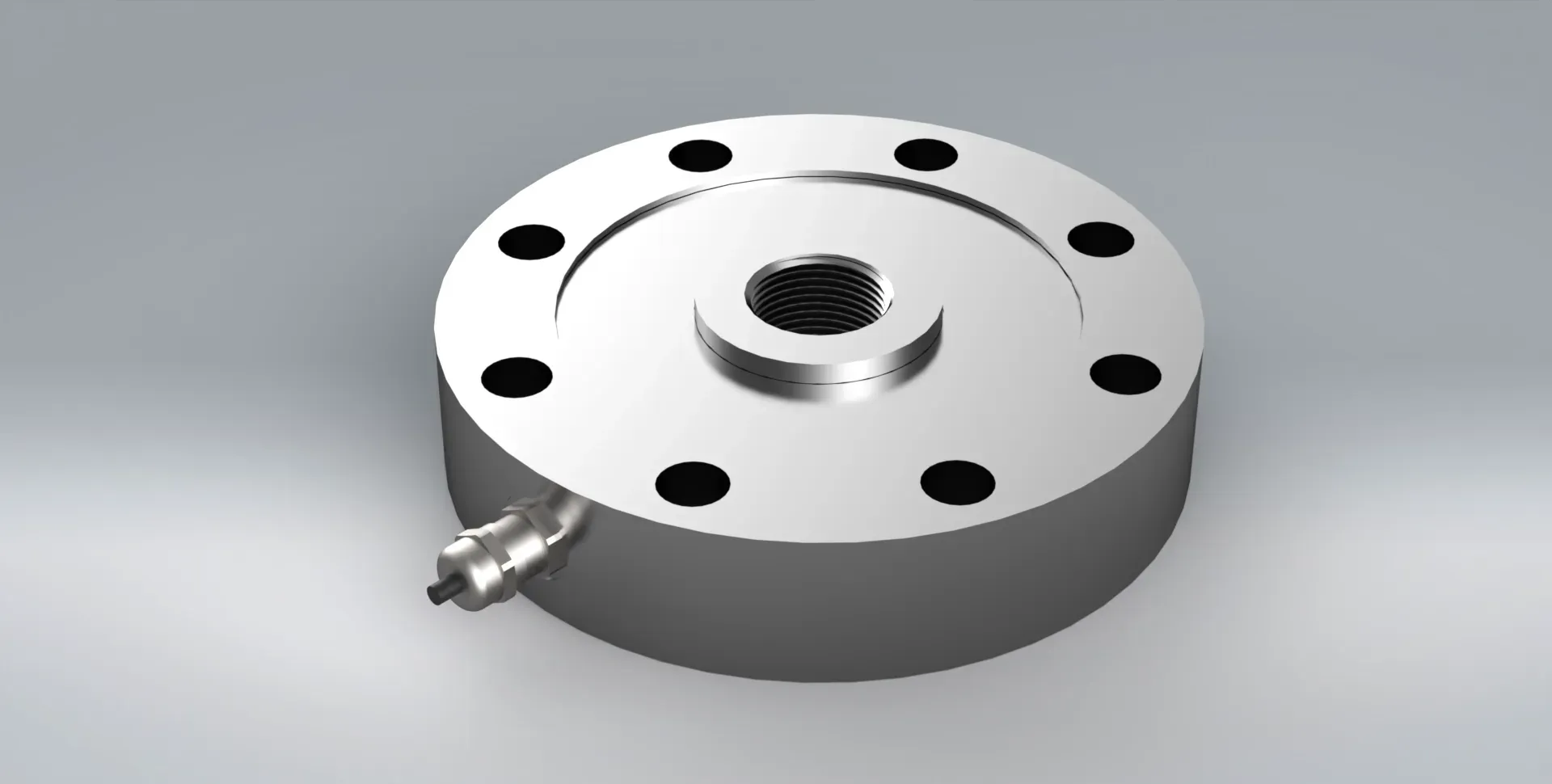
CAPACITY: 0.5kN – 1000kN
NON-LINEARITY: ±0.15% FS
RATING: IP65
NON-LINEARITY: ±0.15% FS
RATING: IP65

CAPACITY: 2.5KG – 200KG
NON-LINEARITY: ±0.026% FS
RATING: IP67
NON-LINEARITY: ±0.026% FS
RATING: IP67

CAPACITY: 350KG-7500KG
NON-LINEARITY: ±0.024% FS
RATING: IP68
NON-LINEARITY: ±0.024% FS
RATING: IP68

CAPACITY: 20TF-100TF
NON-LINEARITY: ±0.1% FS
RATING: IP65
NON-LINEARITY: ±0.1% FS
RATING: IP65

CAPACITY: 5TF-20TF
NON-LINEARITY: ±0.023% FS
RATING: IP68
available
NON-LINEARITY: ±0.023% FS
RATING: IP68
available
The Spring Element
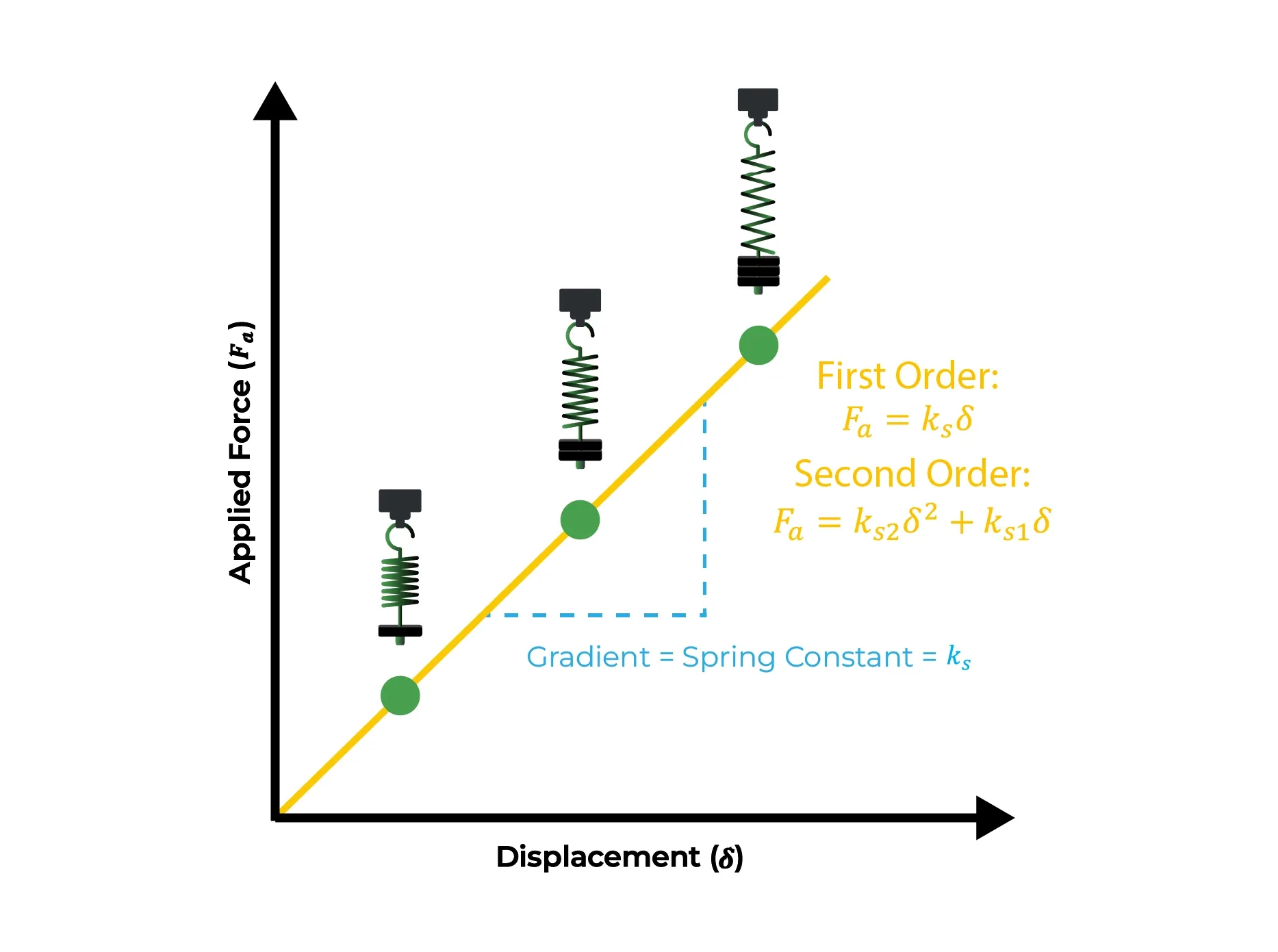
A load cell’s spring element is the mechanical structure that carries the applied force and undergoes a controlled, elastic deformation. It’s same is derived from the classic high-school physics experiment: suspend masses from a spring, measure the extension, and plot force against displacement. Within the elastic range, the relationship is approximately linear in accordance with Hooke’s Law, F = kx.
A load cell applies the same principle in a much more controlled form. Rather than a visible extension, carefully designed regions of the metal deform by only a few micrometres under load, creating a predictable strain field for measurement. The geometry is engineered to concentrate strain in defined sensing regions while maintaining strength and stiffness.
Strain Gauges
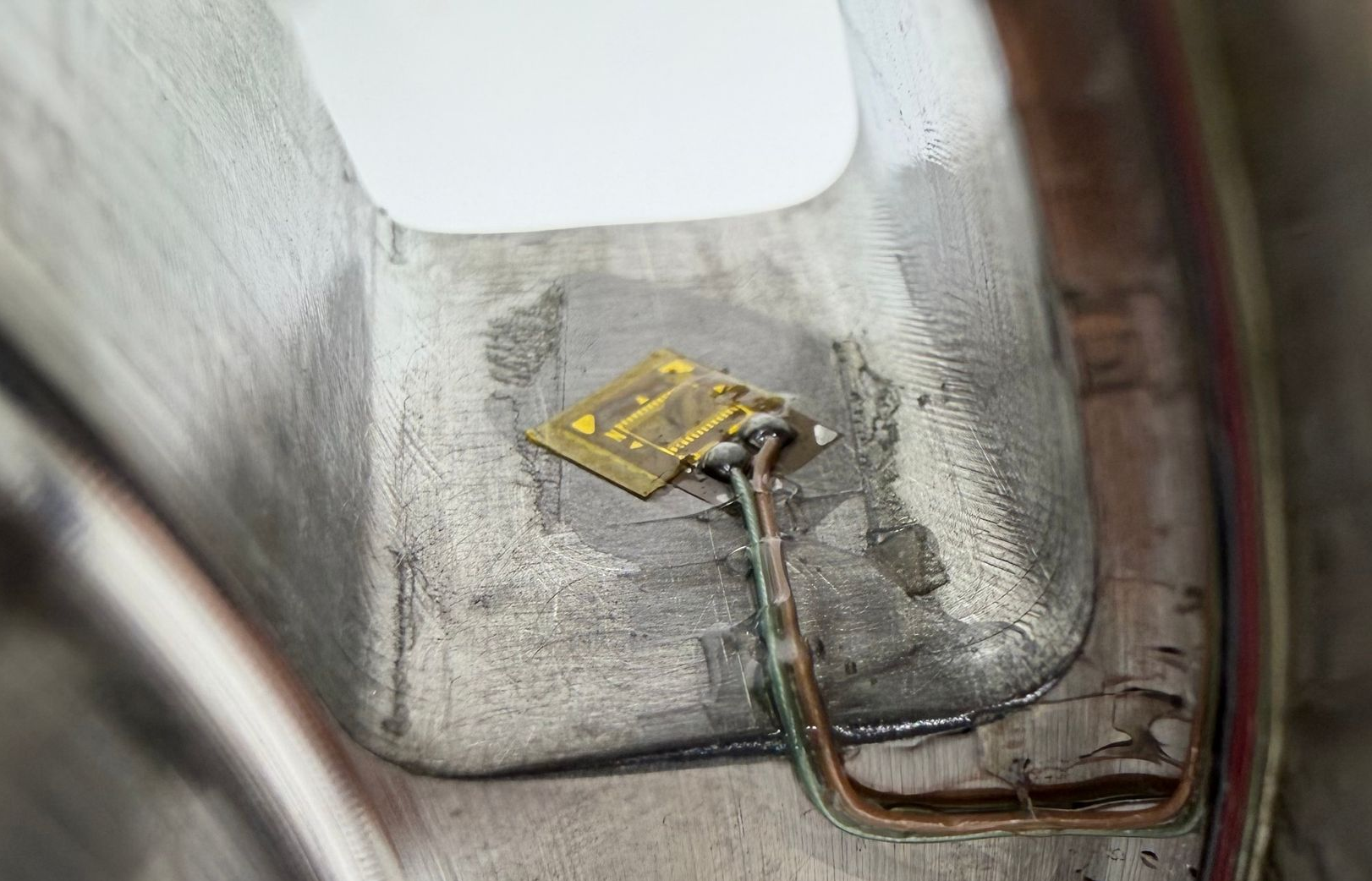
A strain gauge is essentially a zig-zag of wire, whose electrical resistance changes due to a change in cross-sectional area when it is mechanically strained. The gauge is bonded directly to the spring element so that it follows the local deformation of the material.
Its fundamental relationship is ΔR/R = GF·ε, where ΔR is the change in resistance, R is the nominal resistance, GF is the gauge factor and ε is strain. Because the strains in a load cell are extremely small, the corresponding resistance changes are also very small. Gauge selection and placement are therefore critical: the gauges must be aligned with the principal strain direction and bonded with sufficient precision to transfer strain accurately from the elastic element into the sensing element.
Full Wheatstone Bridge
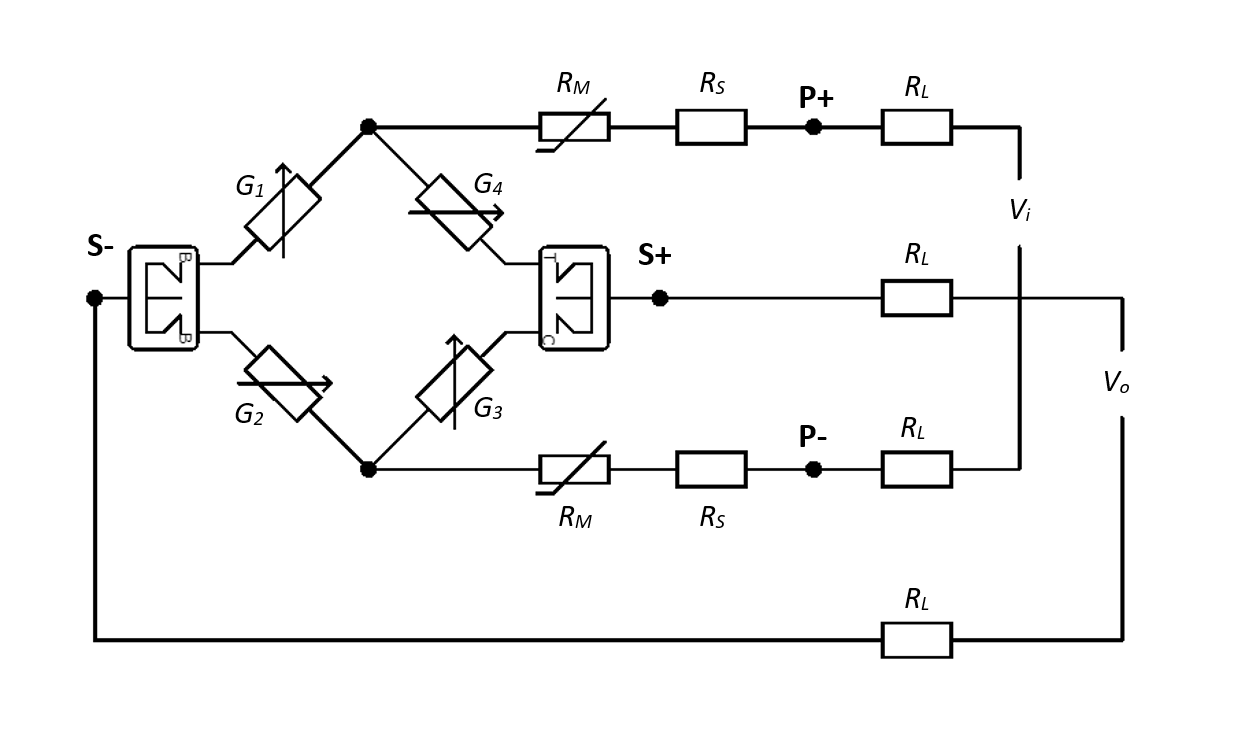
The full Wheatstone bridge converts the minute resistance changes of the strain gauges into a measurable differential voltage. Conceptually, it consists of two potential dividers whose midpoint voltages are compared. For equally strained gauges in a given arm, the raw small-signal mV/V output is approximately Vo/Vi =1/4· GF·(ε1-ε2+ε3-ε4), where ε1 is the strain seen by gauge G1 etc.
Gauges in tension increase resistance while gauges in compression decrease it, so this should be exploited to make (ε1-ε2+ε3-ε4) purely additive, thereby increasing sensitivity. To deliver ultimate accuracy and repeatability, we always incorporate additional resistors for zero-balancing, zero temperature compensation, modulus compensation and tuning span response.
Types of Load Cells
Miniature
Compact and lightweight, ideal for tight spaces or small-scale force measurement.
Heavy Duty
Built for high-capacity loads and rugged environments where durability is key.
Pancake
Flat, disc-shaped design for high-accuracy compression or tension measurements.
Shear Beam
Designed to measure force through shear strain, commonly used in industrial weighing platforms.
Button
Low profile button load cells for precise compression force measurement.
Cantilever
Deflects under load like a lever, suited for medium-range weighing in platforms or tanks.
Canister
Cylindrical load cell used for high-capacity compression applications like truck or silo scales.
Single Point
Highly accurate for low to mid-capacity weights, perfect for small platforms and bench scales.

Looking For A
Bespoke Solution?
From unusal geometrics and complex loading conditions to demanding accuracy requirements, we can design and manufacture a load cell specifically for your application.
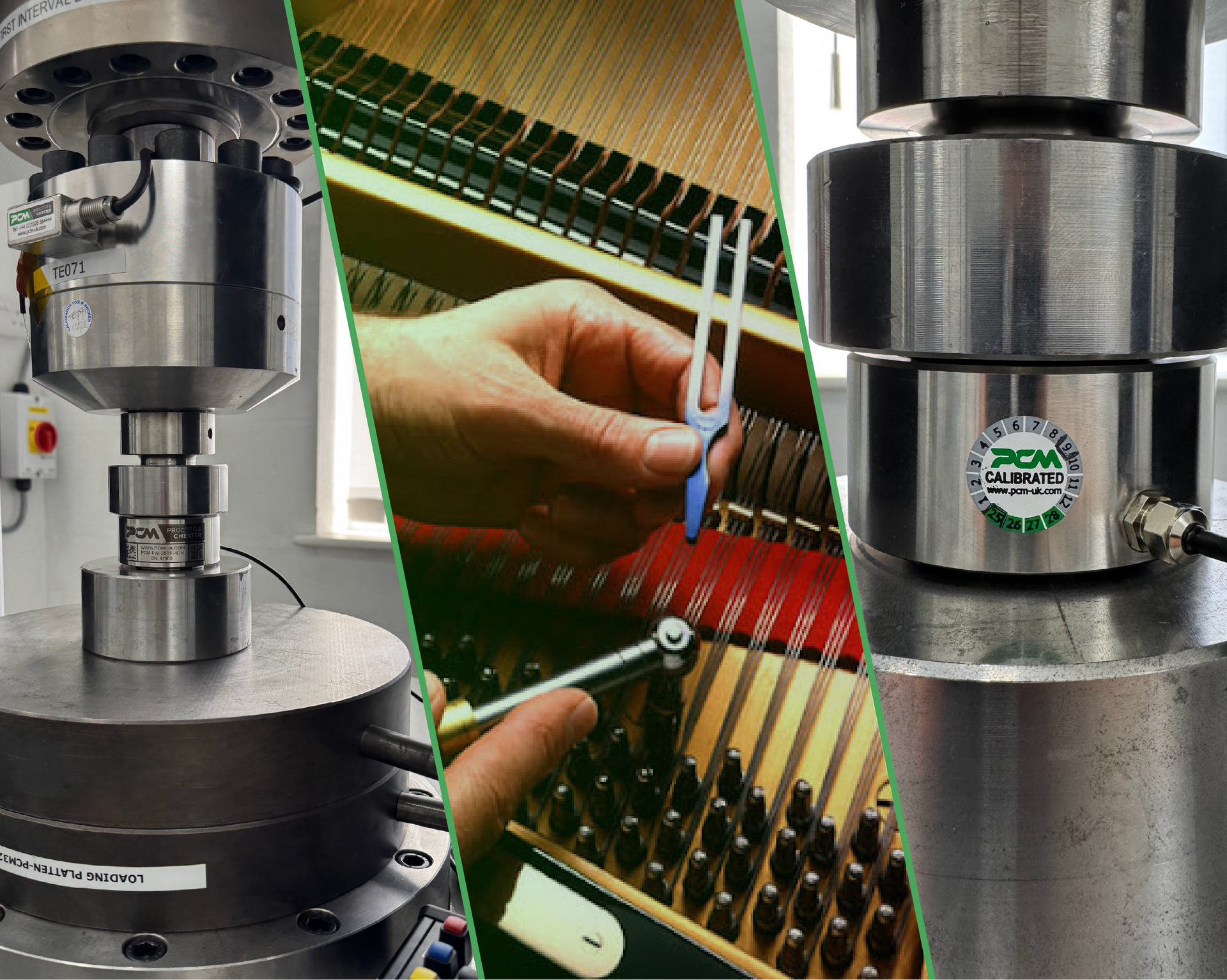
Just as a musical instrument needs regular tuning, load cells require routine calibration to deliver accurate, reliable results.
We offer both standard traceable and ISO/IEC 17025 UKAS accredited calibrations to BS 8422. Every calibration includes a detailed certificate and full traceability to national standards, while our ongoing verification processes help ensure every result remains consistent and dependable.
If your load cell is due for calibration, our experienced team is here to help keep your equipment performing with complete confidence.
Instrumentation

Frequently Asked Questions
What is a load cell and how does it work?
A load cell is a transducer that converts an applied force into a measurable electrical signal. Most precision load cells use strain gauges bonded to a carefully designed elastic spring element. As force is applied, the element deforms by a very small amount, changing the electrical resistance of the strain gauges.
The gauges are typically wired into a Wheatstone bridge, producing a differential output proportional to the applied load. Raw output is a millivolt per volt (mV/V) signal, although load cells can also incorporate signal conditioning to provide amplified outputs such as 0-5 V, 0-10 V, 0.5-4.5 V, 4-20 mA or digital signals (Modbus RS-485, CAN Bus, EtherNet etc.).
What types of load cells are available?
Load cells are available in many configurations to suit different forces, mounting arrangements, accuracy requirements and space constraints. Common types include compression load cells, tension load cells, bi-directional load cells, pancake or low-profile load cells, S-beam load cells, load buttons, miniature load cells, annular or through-hole load cells, and bending or shear beam load cells.
PCM also designs and manufactures custom load cells where a standard load cell cannot meet the required dimensions, capacity, mounting arrangement, environmental conditions or electrical output.
How accurate are load cells?
Load cell accuracy depends on the sensor design, capacity, installation, instrumentation, temperature and calibration. Important performance characteristics include non-linearity, hysteresis, repeatability, creep, zero return and temperature effects.
Rather than relying on a single headline accuracy figure, the complete measurement system should be considered. Mechanical installation, load introduction, off-axis forces, signal conditioning and calibration can all influence the final measurement uncertainty.
For high accuracy applications, where full traceability and adherence to recognised British Standards is key, PCM can calibrate load cells through its UKAS ISO/IEC 17025 accredited force calibration laboratory in accordance with BS 8422.
What capacity load cell do I need?
The correct load cell capacity should exceed the maximum force expected in service, but not by greater than 10x, in order to retain sufficient measurement accuracy over the normal operating range. Dynamic loads, shock loads, fatigue, accidental overload and off-axis forces should also be considered.
Selecting a load cell purely on the nominal working load can result in inadequate overload protection, while choosing an unnecessarily large capacity can give rise to a poor signal-to-noise ratio.
PCM can review the application's working load, maximum expected load, load cases and required factor of safety to help specify an appropriate load cell capacity.
Do load cells require calibration?
Yes. Calibration establishes the relationship between the force applied to a load cell and its electrical or indicated output. It also provides traceability, allowing important performance metrics such as repeatability, interpolation error and, where applicable, hysteresis to be assessed over time.
Calibration should be performed using recognised procedures and equipment traceable to National Standards, with Uncertainty of Measurement clearly reported.
PCM operates a UKAS-accredited ISO/IEC 17025 force calibration laboratory and can calibrate load cells in accordance with BS 8422, including both new sensors and customers' existing equipment, irrespective of model type or manufacturer.
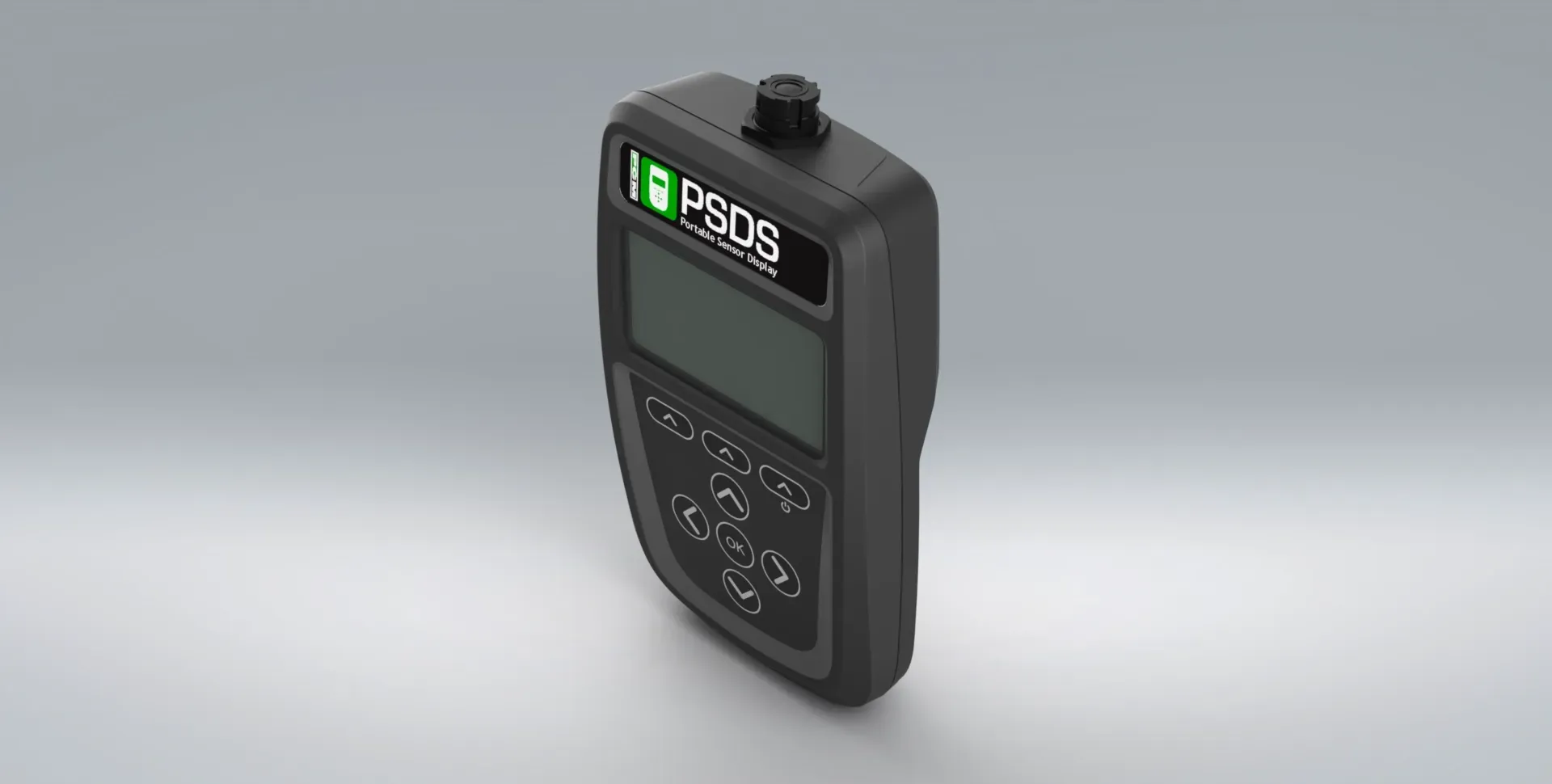
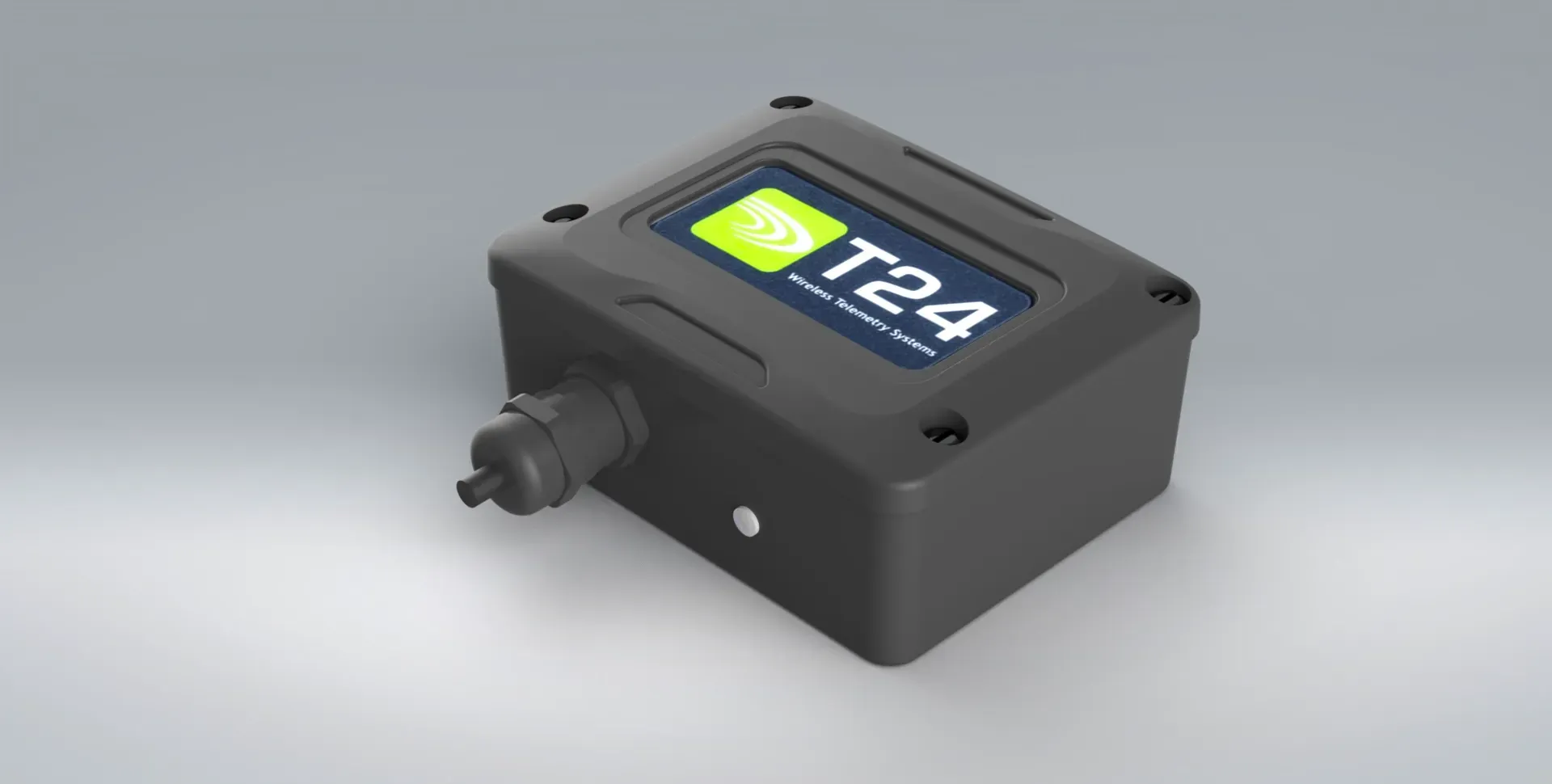
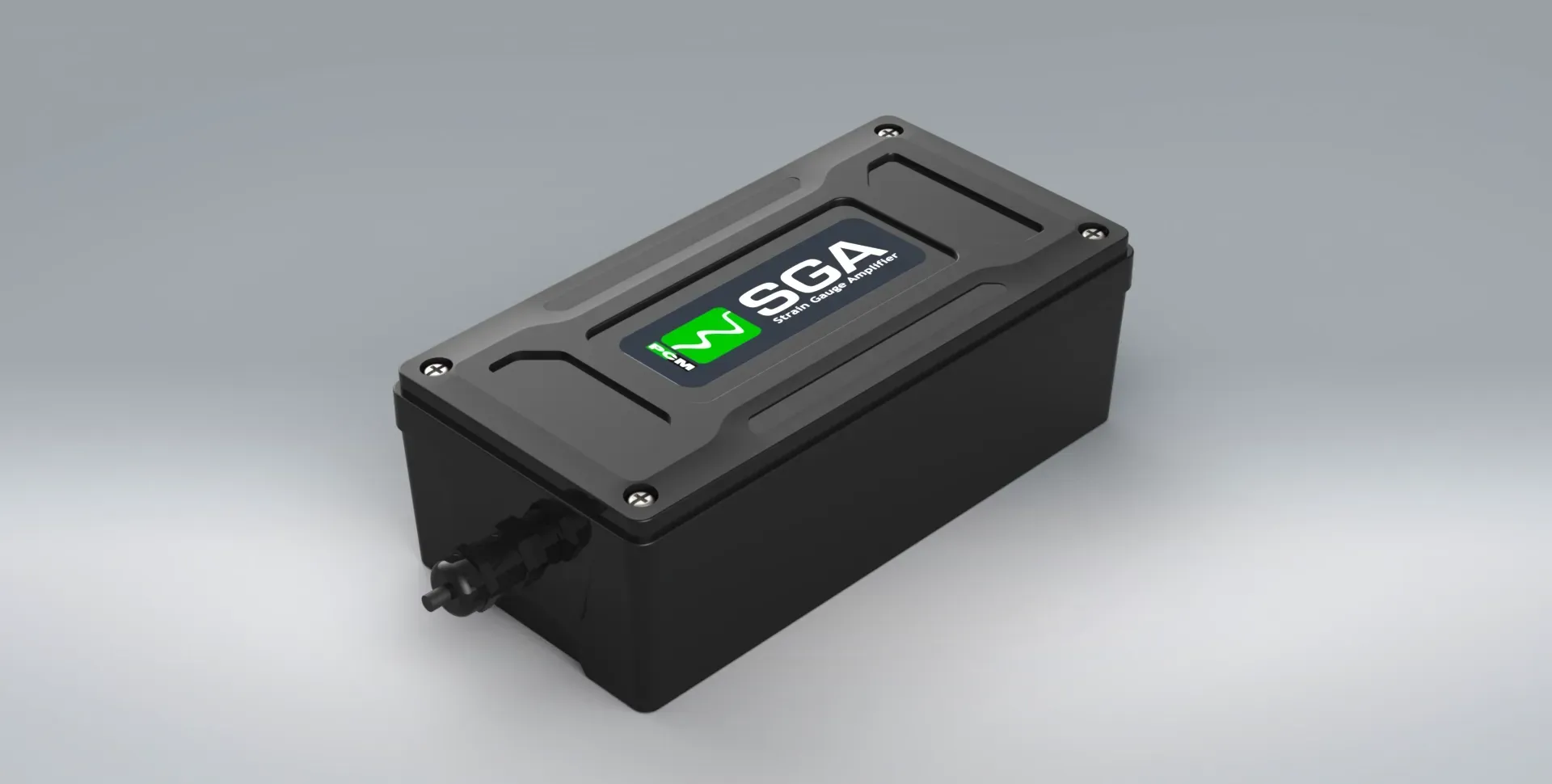
What instrumentation is required with a load cell?
A conventional strain-gauge load cell requires a stable excitation voltage and instrumentation capable of accurately measuring its small differential bridge output, typically expressed in mV/V.
Depending on the application, this may be a load cell indicator, signal conditioner, amplifier, data acquisition system or PLC interface. Instrumentation can convert the raw bridge output into standard analogue or digital signals such as 0-10 V, 4-20 mA, Modbus, CAN or other industrial communications.
PCM can supply the load cell and instrumentation calibrated as a complete measurement system.
Can load cells be used outdoors or in harsh environments?
Yes, provided the load cell is designed and protected for the intended environment. Factors can include water and dust ingress, corrosion, temperature, vibration, shock, chemicals, nuclear radiation, hydrostatic pressure and electromagnetic interference.
Load cells can be manufactured from corrosion-resistant materials and provided with appropriate environmental sealing, cable systems and connectors. For demanding applications, the environmental requirements should be considered at the design stage rather than treating sealing as an afterthought.
How do I install a load cell correctly?
A load cell should be installed so that force is introduced along its intended measurement axis without unwanted bending, eccentric off-axis loading, side loading or torsion. Mounting surfaces should be suitable for the sensor design, and fasteners should be correctly specified and tightened.
Cable routing, grounding, environmental protection and mechanical overload protection should also be considered.
Poor installation can significantly degrade the performance of even a highly accurate load cell, so PCM can provide installation drawings and application-specific guidance where required.
How often should a load cell be calibrated?
There is no single recalibration interval suitable for every load cell. The appropriate interval depends on usage, required measurement uncertainty, environmental conditions, loading history, stability and the consequences of an incorrect measurement.
A 12-month calibration interval is commonly used as a starting point, but heavily used or safety-critical equipment may require more frequent calibration. Conversely, a highly stable sensor with documented calibration history may justify a different interval.
A load cell should also be checked or recalibrated following an overload, repair, significant mechanical event or whenever its performance is in doubt.
Can load cells connect directly to a PLC or control system?
Yes. Load cells can be integrated with PLCs, data acquisition systems and industrial control systems using suitable signal conditioning.
A conventional mV/V load cell normally requires an amplifier or signal conditioner before connection to a standard PLC analogue input. Alternatively, electronics can be incorporated into the load cell to provide outputs such as 0-10 V, 4-20 mA or digital communications.
For industrial installations, 4-20 mA is particularly useful where signals must travel over longer cable distances or operate in electrically noisy environments.
What is the difference between tension, compression and bi-directional load cells?
A compression load cell measures forces that push or compress the sensor, while a tension load cell measures forces that pull it apart. A bi-directional load cell is designed and calibrated to measure force in both directions.
The appropriate configuration depends on how the load is introduced into the structure. Correct mounting is particularly important because bending moments, side loads and misalignment can introduce measurement errors or mechanically overload the sensor.
What is a custom load cell?
A custom load cell is designed specifically around the mechanical, electrical and environmental requirements of an application rather than selected from an existing catalogue range.
Parameters can include overall dimensions, mounting interfaces, rated capacity, overload capability, material, temperature range, environmental sealing, connector or cable arrangement and electrical output.
PCM designs and manufactures custom strain-gauge load cells in-house, allowing the sensing element, strain gauge installation, temperature compensation techniques, conditioning electronics, machining and calibration to be fully optimised together for superior performance.