Back to Main Menu


MULTI-AXIS SENSORS
Advanced Solutions For High Precision Force & Moment Monitoring
We supply fully customised multi-axis sensors designed to measure forces and moments simultaneously across multiple axes with low crosstalk. These sensors are ideal for applications where complex, multi-directional loading must be accurately captured, such as advanced testing, research and development, robotics, and industrial process monitoring.
Home > Multi-Axis Sensors



What is a Multi-Axis Sensor?
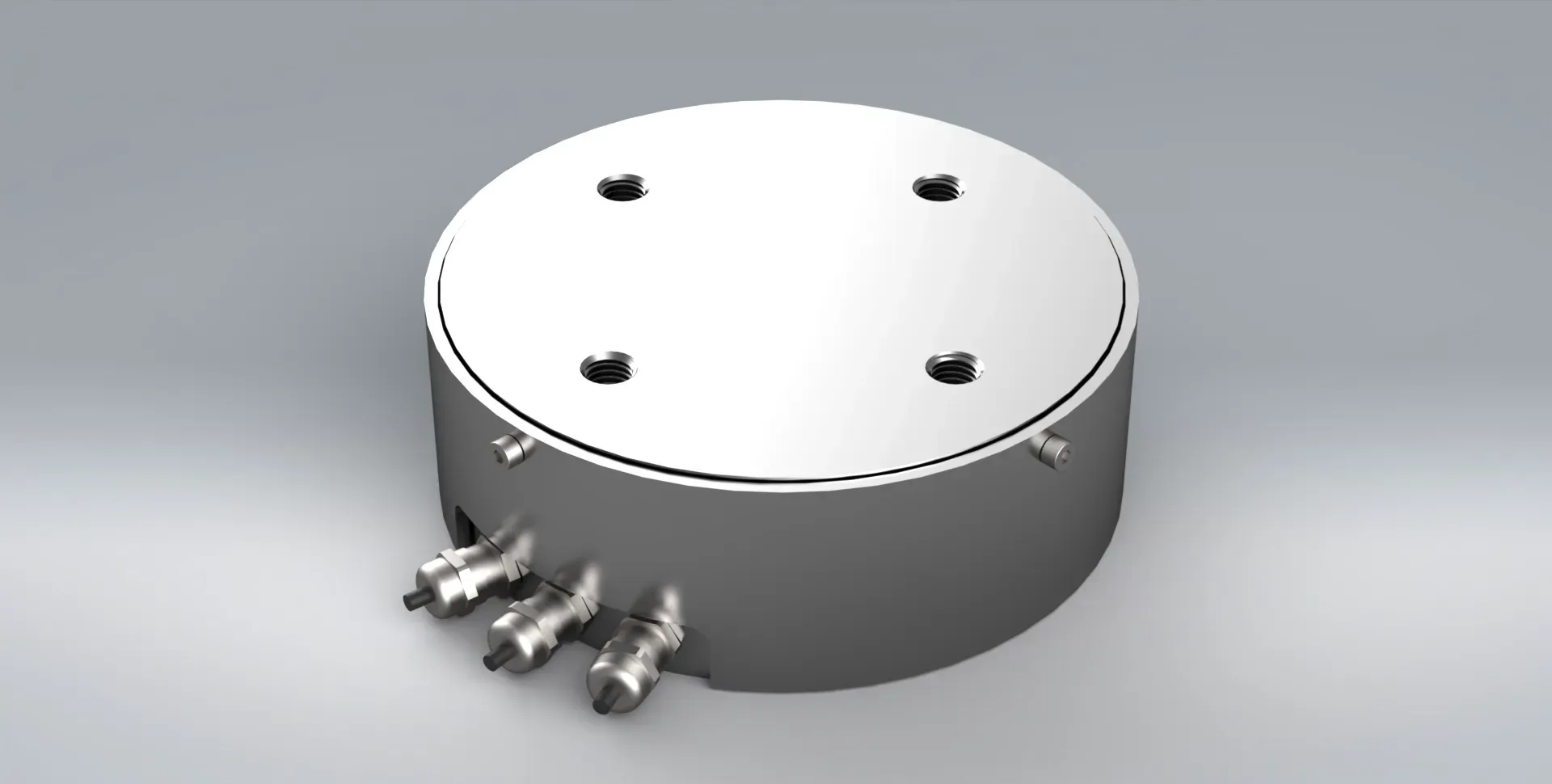
Multi-axis sensors, also known as multi-axis load cells, are force transducers engineered to measure multiple orthogonal force and moment components simultaneously. Through carefully designed elastic geometries and strategically positioned strain gauge bridges, they resolve complex loading into individual force and moment components, providing both the magnitude and direction of applied loads.
Multi-axis load cells are particularly valuable where loading cannot be represented by a single force vector. By simultaneously measuring several degrees of freedom, they provide a detailed representation of the complete load state, including interacting forces, moments and off-axis effects, while maintaining measurement within a single integrated sensing element.
Our Stance on Crosstalk
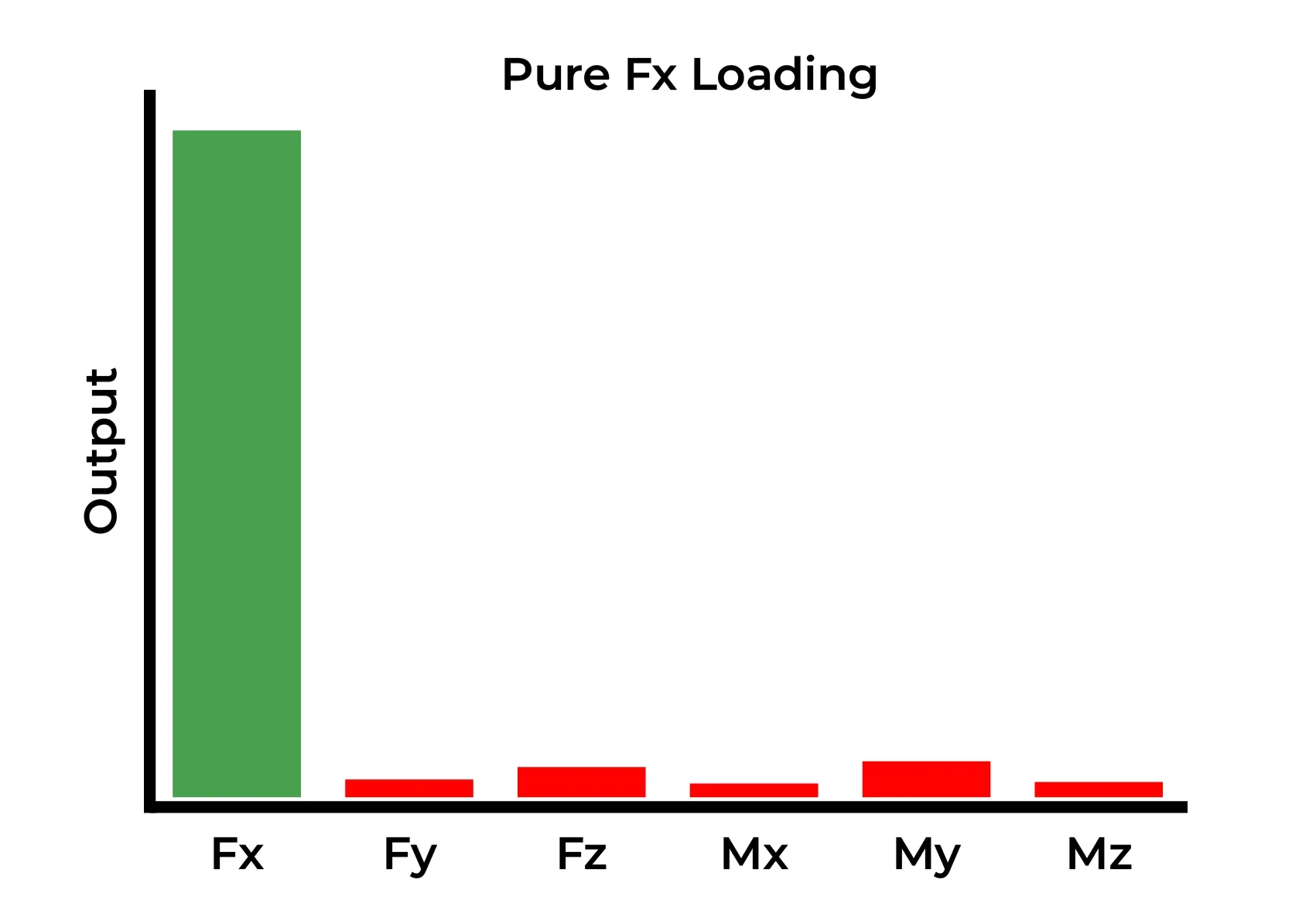
Crosstalk occurs when loading applied about one measurement axis produces an unwanted output on another channel. Minimising this interaction is fundamental to multi-axis sensor design, requiring careful control of sensing-element geometry, strain gauge positioning and Wheatstone bridge configuration. Each bridge is arranged to maximise sensitivity to its intended force or moment component while rejecting strain generated by other load directions.
We used advanced Finite Element Analysis (FEA) techniques is to identify suitable strain fields, optimise gauge locations and quantify cross-axis sensitivity before manufacture. Accurate machining and precise strain gauge alignment further reduce coupling between channels, while calibration across multiple load cases allows any residual crosstalk to be characterised and, where required, mathematically compensated.
Common Multi-Axis Applications
Wind Tunnel R&D
Simultaneous multi-axis measurement of aerodynamic forces and moments enables detailed analysis of lift, drag, side forces and model behaviour during wind tunnel testing.
Aircraft Joysticks
Force and moment inputs can be resolved across multiple directions using multi-axis sensing, enabling precise characterisation of pilot joystick control inputs.
Robotics & Automation
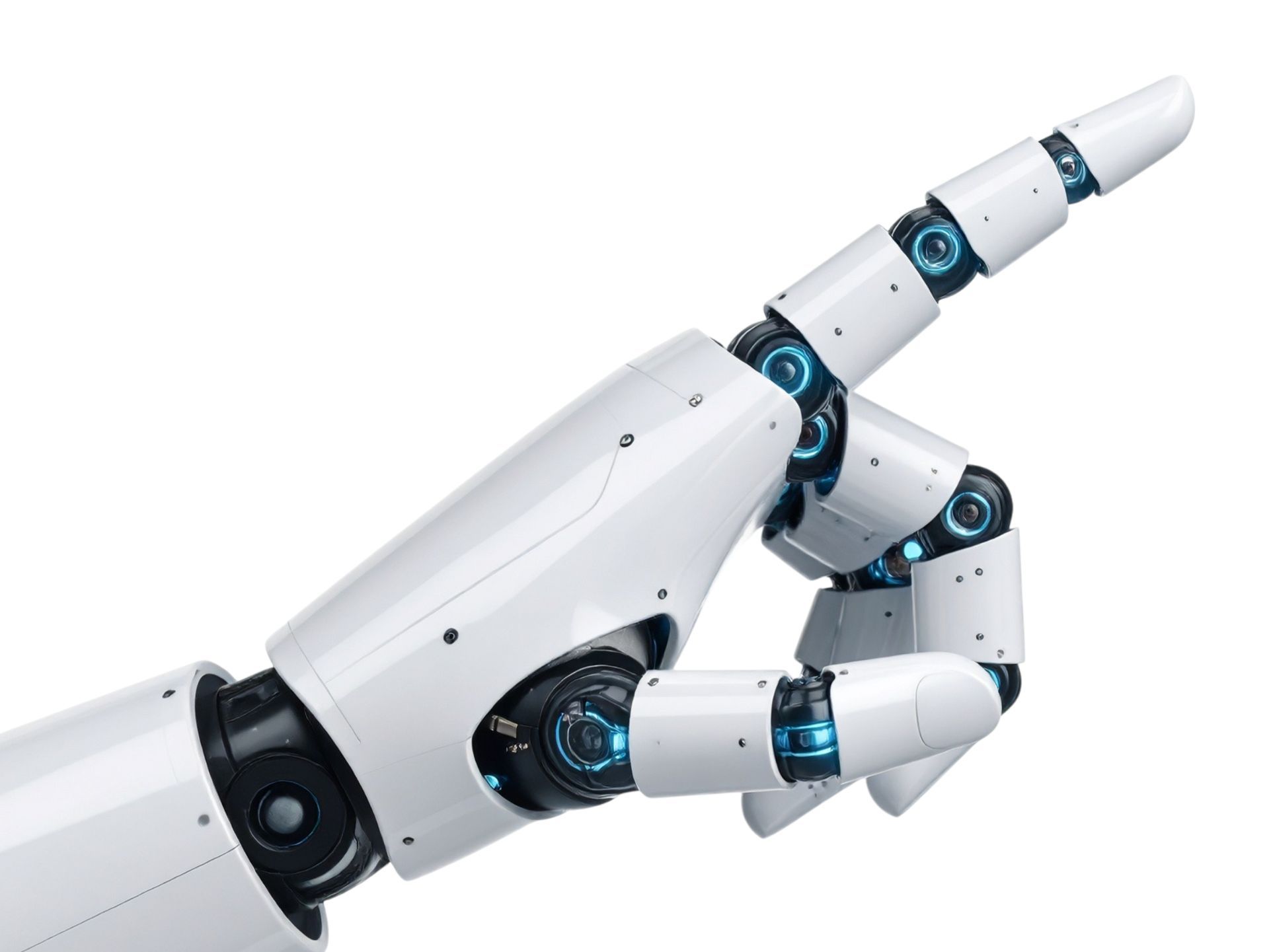
Real-time multi-axis force and moment feedback enables precise interaction control, contact detection and responsive motion in robotic and automated systems.
Industrial Testing
Complex loading can be captured through multi-axis force and moment measurement, providing detailed data for component validation and performance assessment out in the field.

Built To Your
Requirements
Our multi-axis load cells are all specially designed and manufactured to meet specific customer requirements, with load capacities, geometries, mounting arrangements, and performance characteristics tailored to each project rather than supplied as standard off-the-shelf products.
System Integration
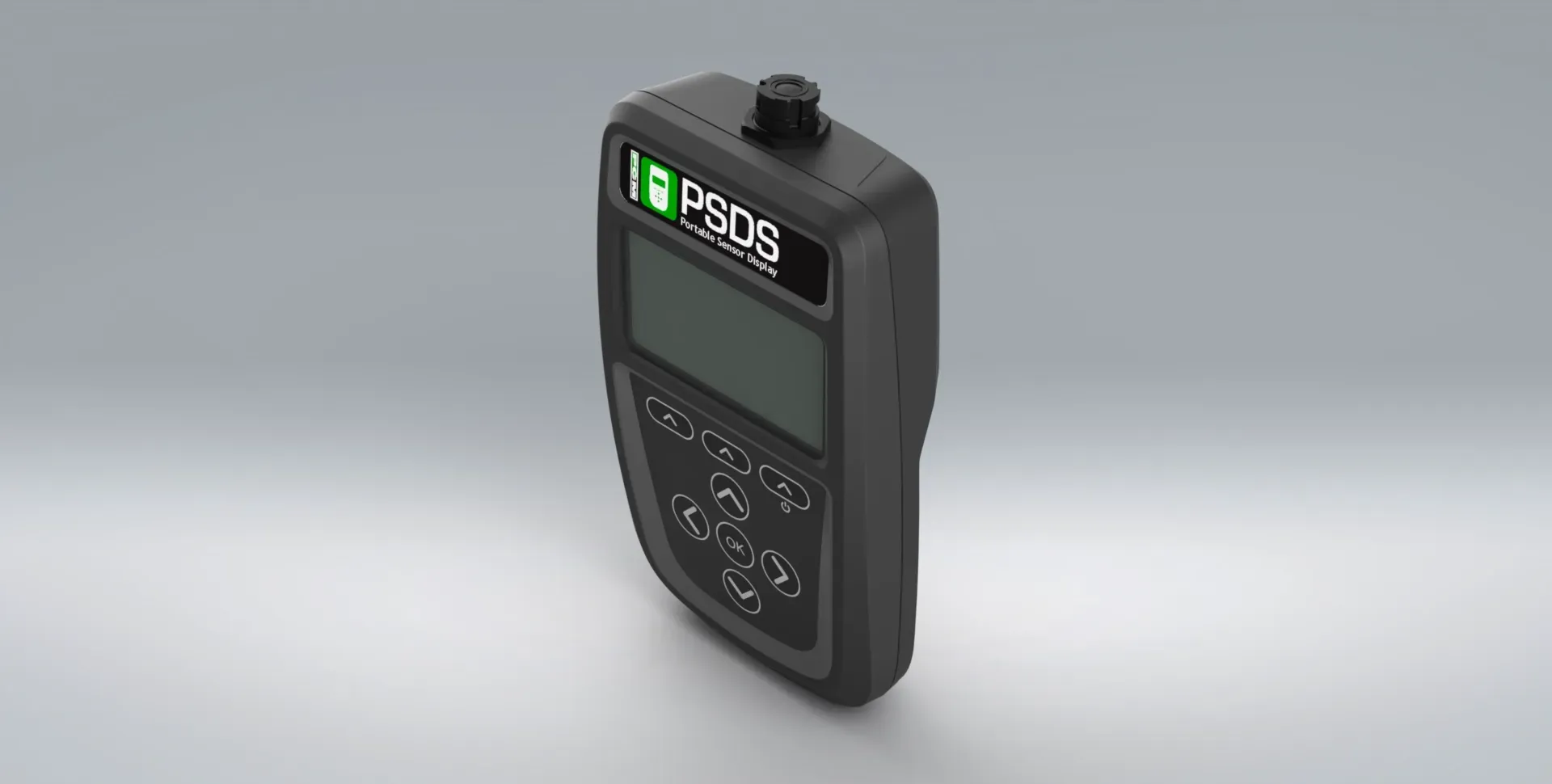
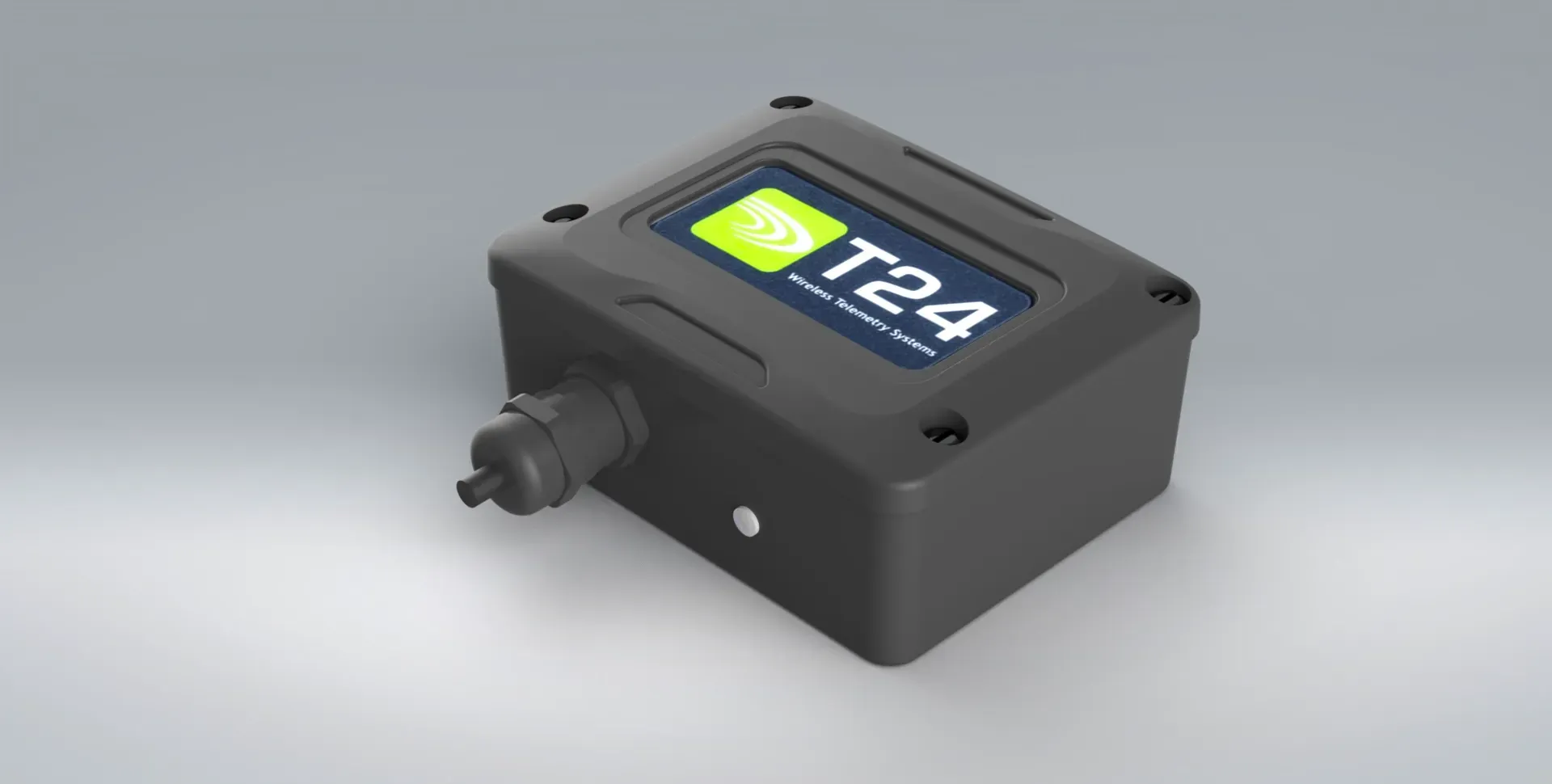
For reliable force measurement, multi-axis sensors must be correctly integrated with the surrounding test or control system, including appropriate signal conditioning, data acquisition, and cable management.
Our team supports customers in ensuring seamless integration within measurement or automation environments.
Mounting Considerations
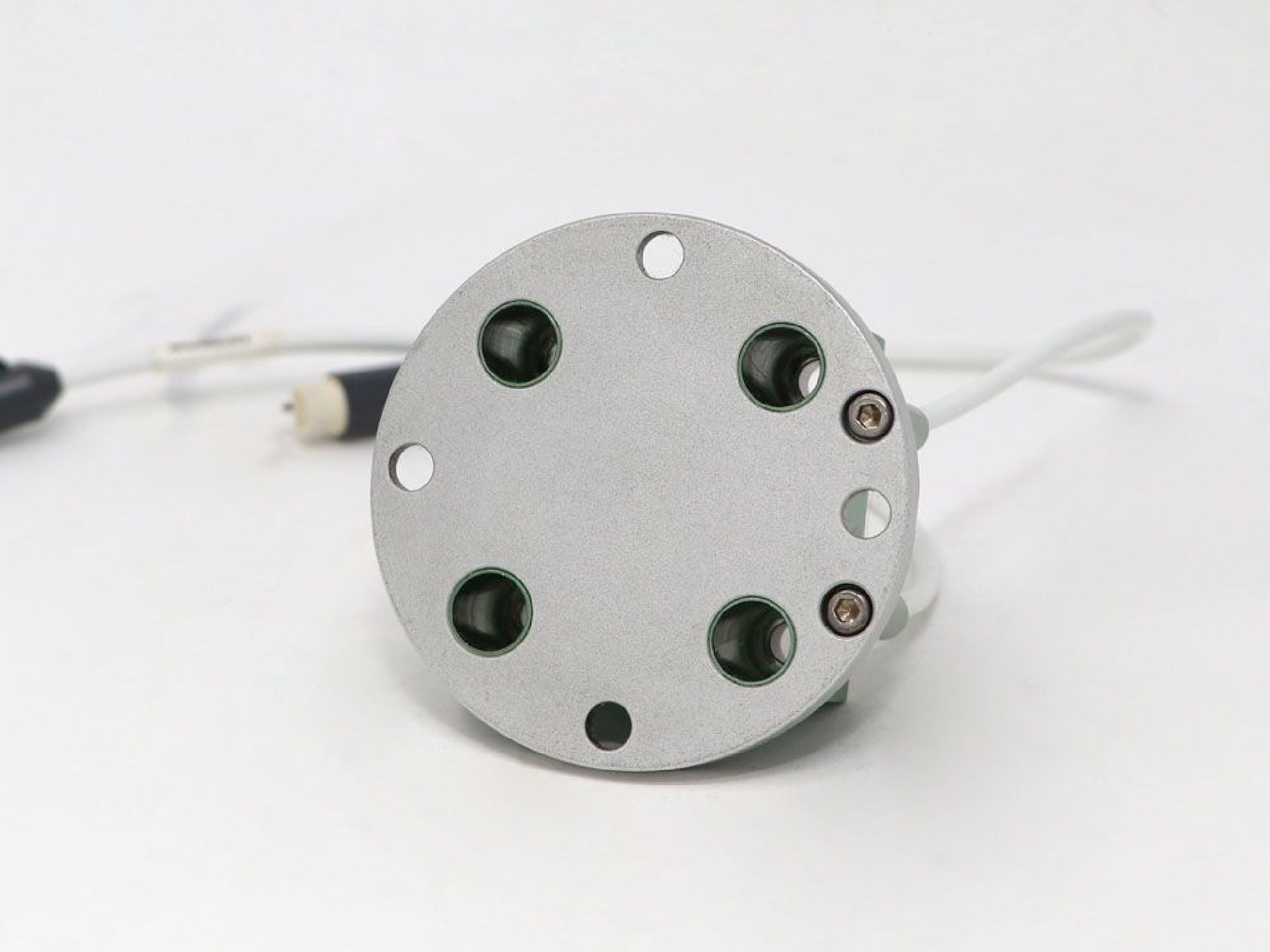
We can support the mechanical integration of multi-axis sensors to ensure loads are introduced correctly and measurement performance is maintained in service. This includes guidance on mounting geometry, interface stiffness, fastener preload, alignment and load paths, helping to minimise parasitic loading and structural interaction. Where required, we can also advise on bespoke mounting features or integration arrangements to suit the surrounding assembly and application constraints.
Instrumentation

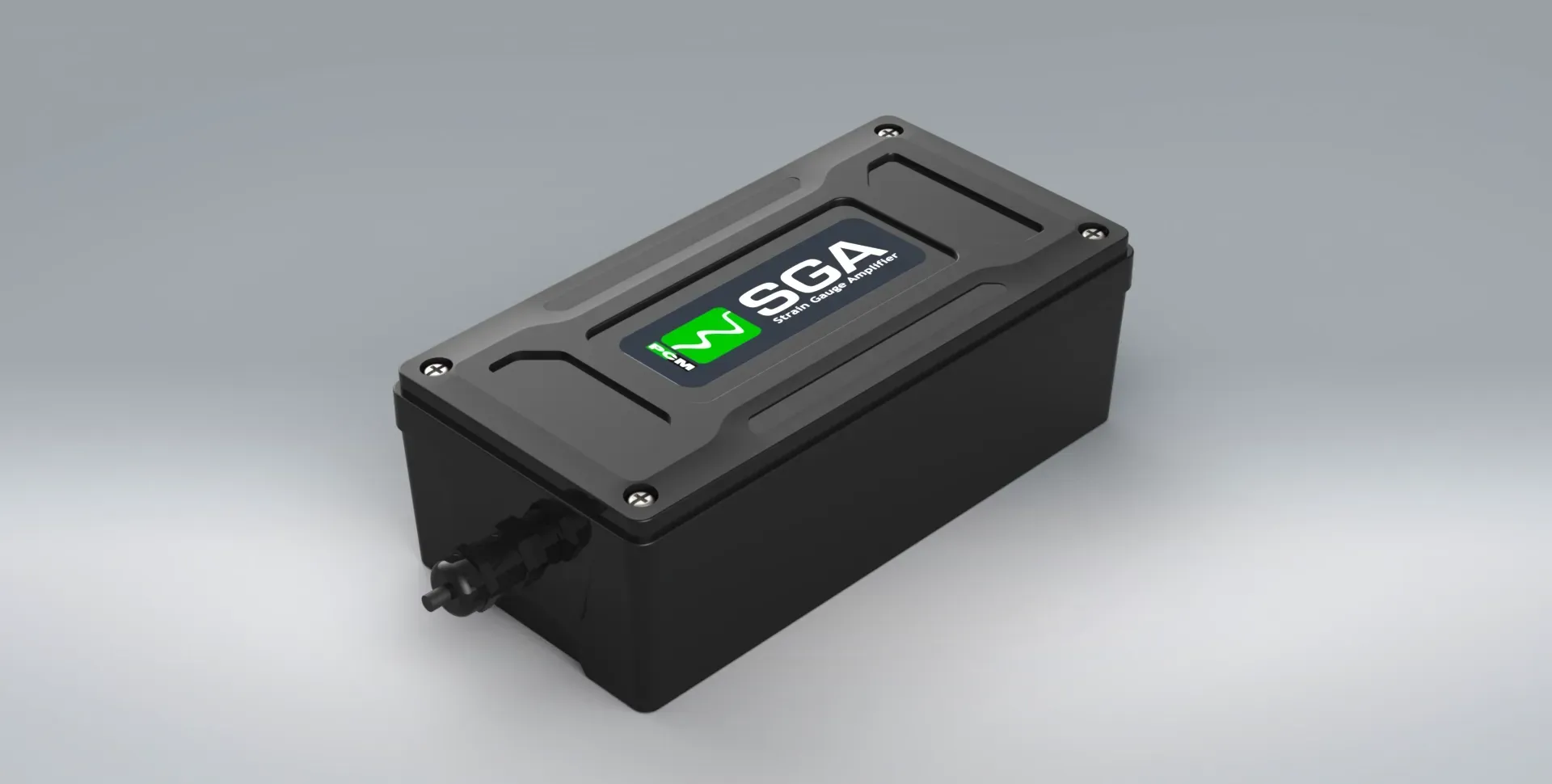
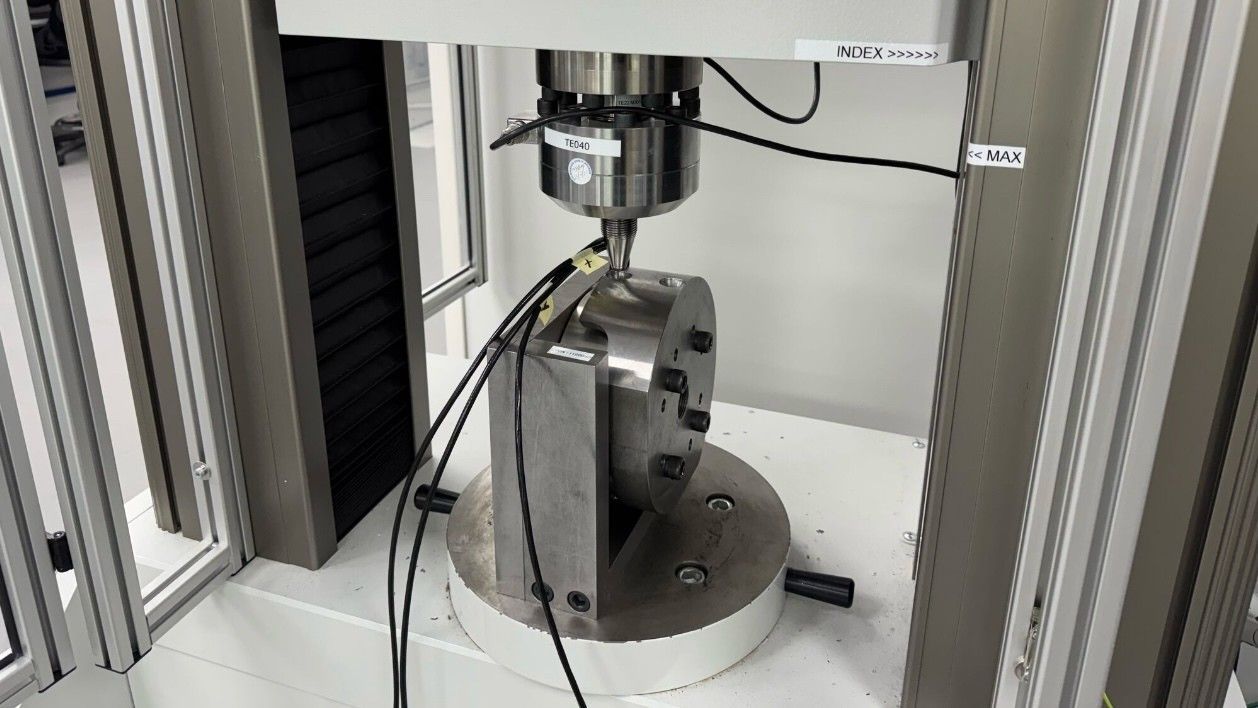
Traceable & UKAS Accredited Calibration
Accurate calibration is critical to the performance and reliability of all force sensors. We offer traceable force & torque calibration and UKAS accredited force calibration to ISO 17025, which showcases an incredibly high standard.
Every calibration we perform comes with a detailed certificate and full traceability to national standards, giving you complete confidence in your application.
Frequently Asked Questions
What is a multi-axis load cell?
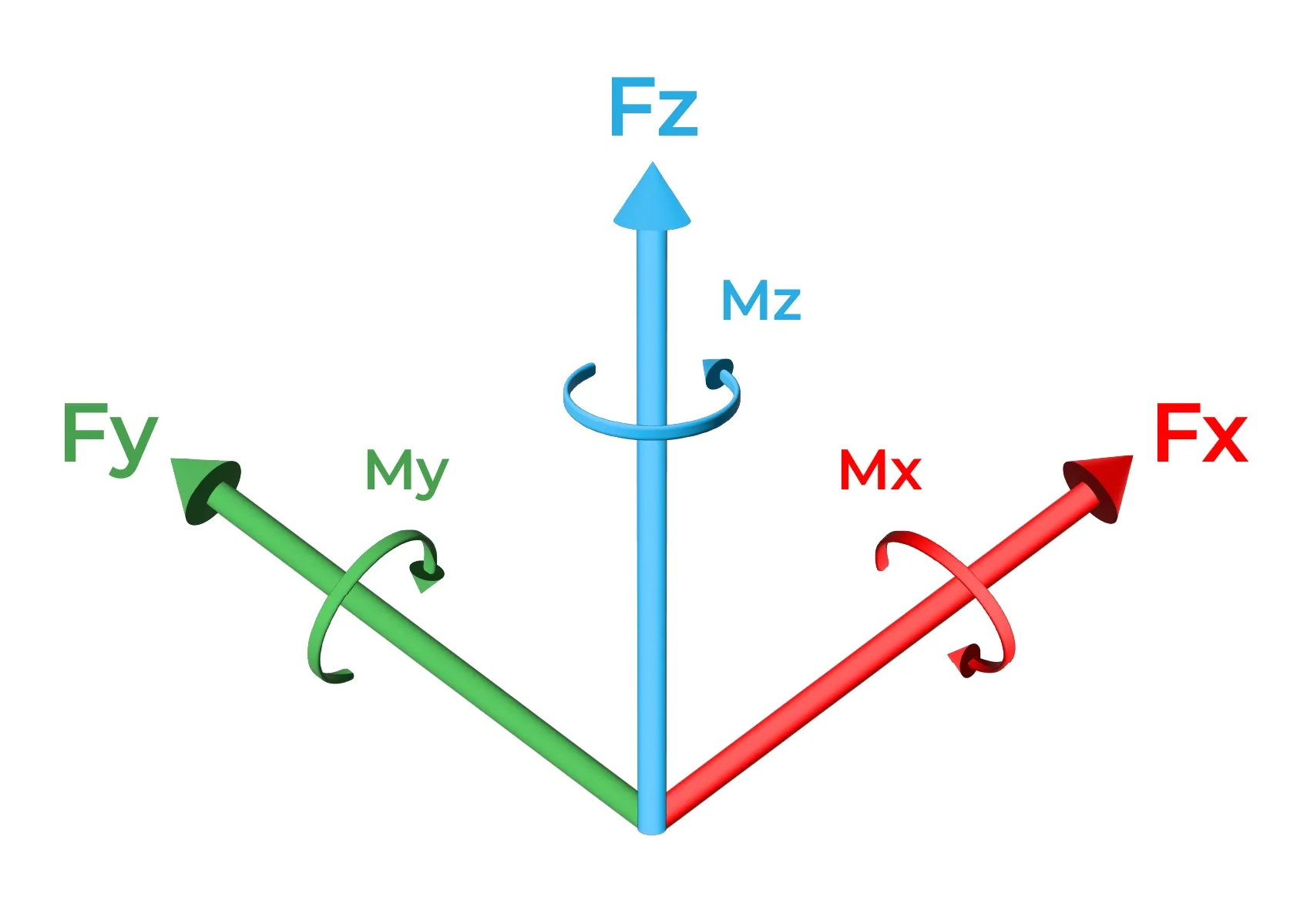
A multi-axis load cell is a transducer capable of measuring forces and/or moments in multiple directions simultaneously. Depending on the design, a sensor may measure two or three force components, combinations of force and torque, or all six components: Fx, Fy, Fz, Mx, My and Mz.
Multiple strain-gauge bridges are arranged on a specially designed sensing element so that each measurement channel responds predominantly to a particular force or moment.
What is a 6-axis load cell?
A 6-axis load cell, also known as a six-component force and torque sensor, simultaneously measures three orthogonal forces - Fx, Fy and Fz - and three moments - Mx, My and Mz.
This allows the complete three-dimensional loading state at a measurement point to be determined from a single sensor.
Six-axis load cells are widely used in robotics, aerospace testing, automotive development, motorsport, biomechanics, research and test rigs where forces and moments act simultaneously.
How accurate are multi-axis load cells?
Accuracy depends on design and application requirements, but sensors are engineered to minimise crosstalk and provide reliable load measurements.
What load ranges are available for multi-axis load cells?
Multi-axis load cells can be designed for widely differing force and moment capacities. Importantly, the rated capacity does not need to be identical on every axis.
For example, an application may require a high axial Fz capacity but substantially lower Fx and Fy capacities. Custom design allows the geometry to be optimised around this asymmetric load case rather than oversizing every measurement axis.
PCM can develop multi-axis sensors around the required force ranges, moment ranges, mechanical envelope and overload requirements.
Can multi-axis load cells measure torque as well as force?
Yes. Multi-axis load cells can be designed to measure both linear forces and moments or torques.
A full six-axis sensor measures Fx, Fy and Fz together with Mx, My and Mz. Alternatively, a custom sensor can measure only the required channels - for example Fx, Fy, Fz and Mz - if the remaining moments are not required.
This can reduce complexity and allow the mechanical design to be optimised specifically for the application.
How accurate are multi-axis load cells?
Multi-axis load cell performance depends not only on the accuracy of each individual channel but also on crosstalk or cross-axis sensitivity between channels.
Non-linearity, hysteresis, repeatability, temperature effects and interactions between simultaneously applied loads should therefore be considered.
For demanding applications, the relationship between channels can be characterised using a calibration decoupling matrix, allowing measured outputs to be mathematically compensated for cross-axis effects.
What is crosstalk in a multi-axis load cell?
Crosstalk is the output produced on one measurement channel when a load is applied primarily to another axis. For example, applying an Fx force may produce a small output on the Fy or Fz channels.
Crosstalk arises from the mechanical behaviour of the sensing element, strain gauge positioning, manufacturing tolerances and load introduction.
Good multi-axis sensor design aims to minimise these interactions mechanically, while calibration and mathematical compensation can further reduce their effect on the calculated forces and moments.
Can multi-axis load cells be custom designed?
Yes. Custom multi-axis load cells can be designed around the required combination of forces and moments, capacities, mechanical envelope, mounting interfaces, stiffness, overload capability and environmental requirements.
This is particularly valuable where the available space or load distribution makes a standard six-axis force and torque sensor unsuitable.
PCM can develop the sensing element, strain-gauge configuration, mechanical interfaces, instrumentation and calibration approach as a complete measurement solution.
Can multi-axis sensors be supplied for harsh environments?
Yes. Multi-axis sensors can be designed for demanding industrial, automotive, aerospace and outdoor environments.
Material, environmental sealing, cable construction, connectors and strain gauge protection can be selected according to temperature, moisture, corrosion, vibration and other environmental requirements.
The complete operating environment should be defined during specification because environmental protection can influence both the mechanical and electrical design.
How often should a multi-axis load cell be recalibrated?
The recalibration interval should be based on usage, loading history, required measurement uncertainty, environmental conditions and previous calibration stability.
Annual calibration is a common starting point, but sensors subjected to high cycle testing, shock loading or demanding environments may require shorter intervals.
Recalibration should also be considered following an overload, mechanical impact, repair or any event that could have altered the sensing element or strain gauge installation.
Can existing test systems be upgraded with multi-axis sensors?
Yes. A multi-axis load cell can often be integrated into an existing test rig or measurement system to replace or supplement single-axis force measurement.
The mechanical interfaces, available space, load path, required stiffness, number of measurement channels, instrumentation and data acquisition system must all be considered.
PCM can also develop custom sensors where the existing machine geometry does not accommodate a standard multi-axis transducer.