Back to Main Menu


LOAD PINS, LOAD SHACKLES & TENSION LINKS
Robust & Reliable Load Monitoring For Lifting Applications
We design, manufacture and calibrate high-quality load pins, load shackles and tension links engineered for assurance in safety-critical lifting and structural monitoring applications. By combining decades of experience with a complete in-house operation, we're able to deliver fully customised products with exceptional accuracy and unbeatable lead times.
Home > Load Pins, Load Shackles & Tension Links
Product Types




What is a Load Pin?
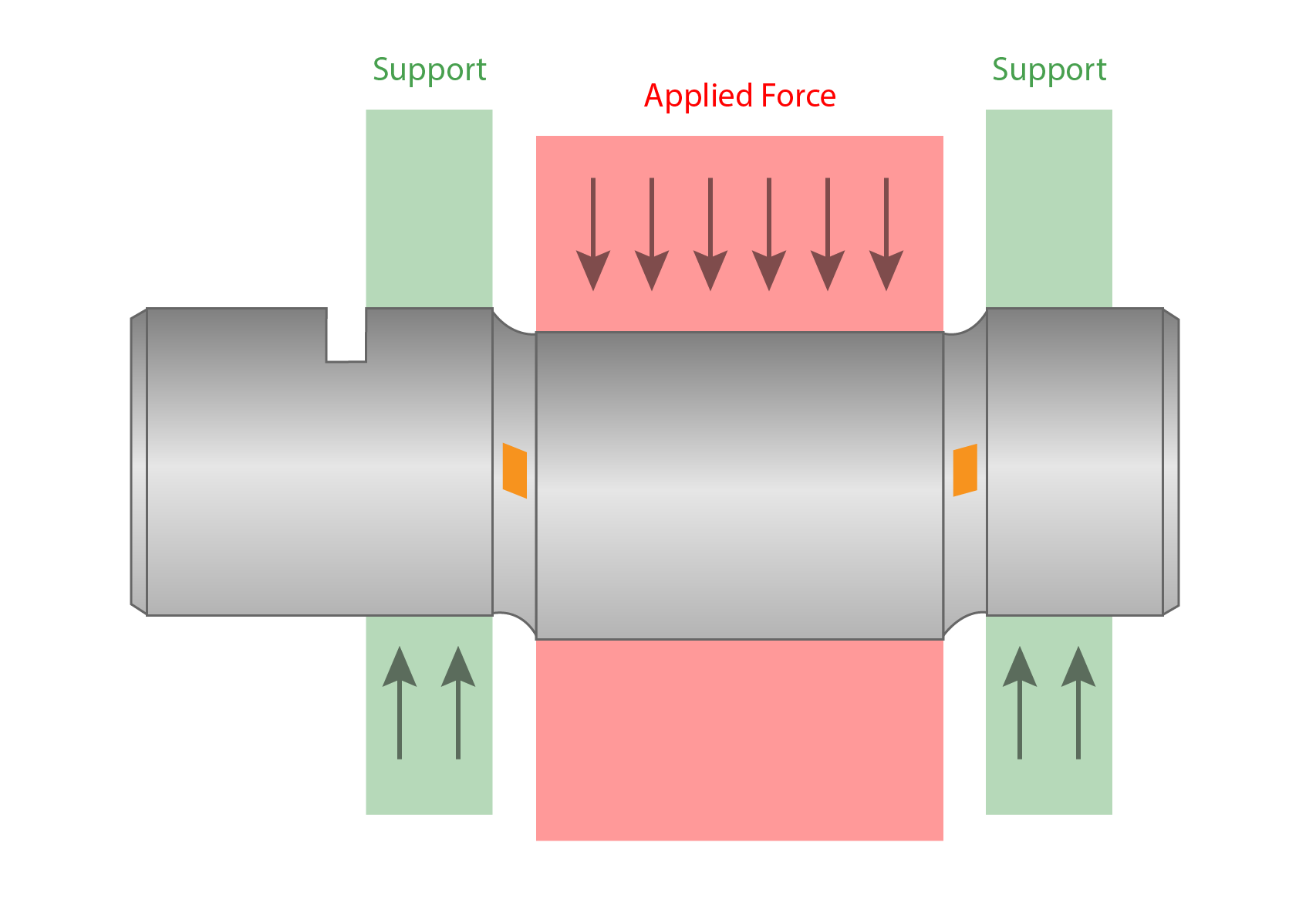
Load pins are a type of force sensor specifically designed to replace standard shear pins or pivot pins while providing real-time load data. By integrating strain gauges within a stainless-steel pin, they measure shear forces acting across the component during operation.
These custom pins function as highly reliable load-sensing elements without altering the design of the equipment they’re installed into. They are widely used in lifting equipment, cranes, winches, hoists, and a variety of structural monitoring applications. Their durable build allows them to perform consistently in harsh or heavy-duty environments.
What is a Load Shackle?
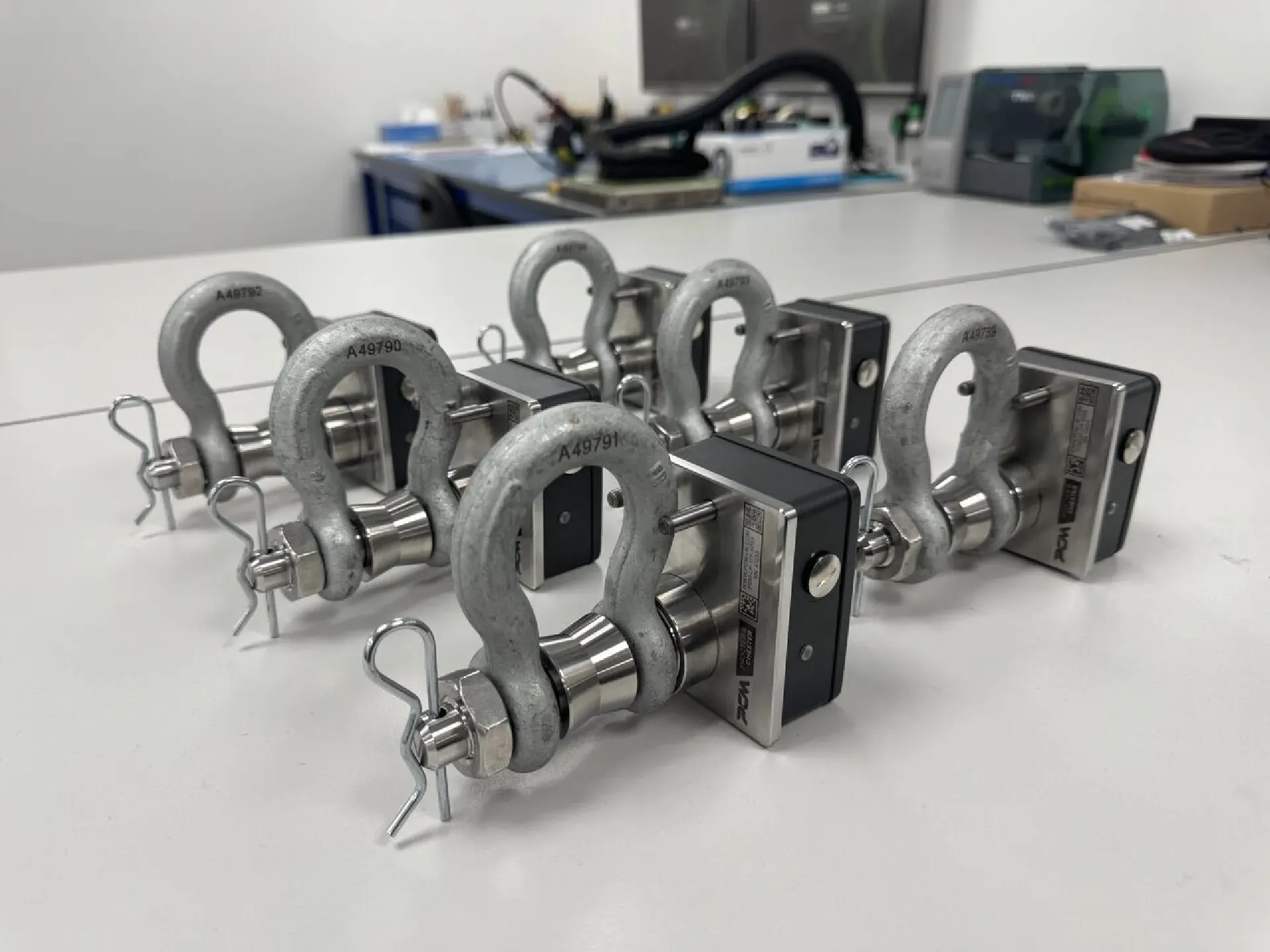
Load shackles are very similar to load pins, measuring forces encountered in lifting or rigging applications. However, unlike load pins that are typically built to fit into a specific piece of equipment, load shackles are supplied as complete, ready to use products. They consist of a load pin fitted through a standard certified shackle, allowing users to capture accurate tensile load data without any modifications to their existing system.
Because they can be integrated directly inline, load shackles offer a fast versatile solution for both temporary and permanent load monitoring. Their portability, straightforward installation and ability to withstand demanding conditions make them ideal for on-site lifting operations, marine and offshore work, proof testing and general force measurement tasks.
What is a Tension Link?
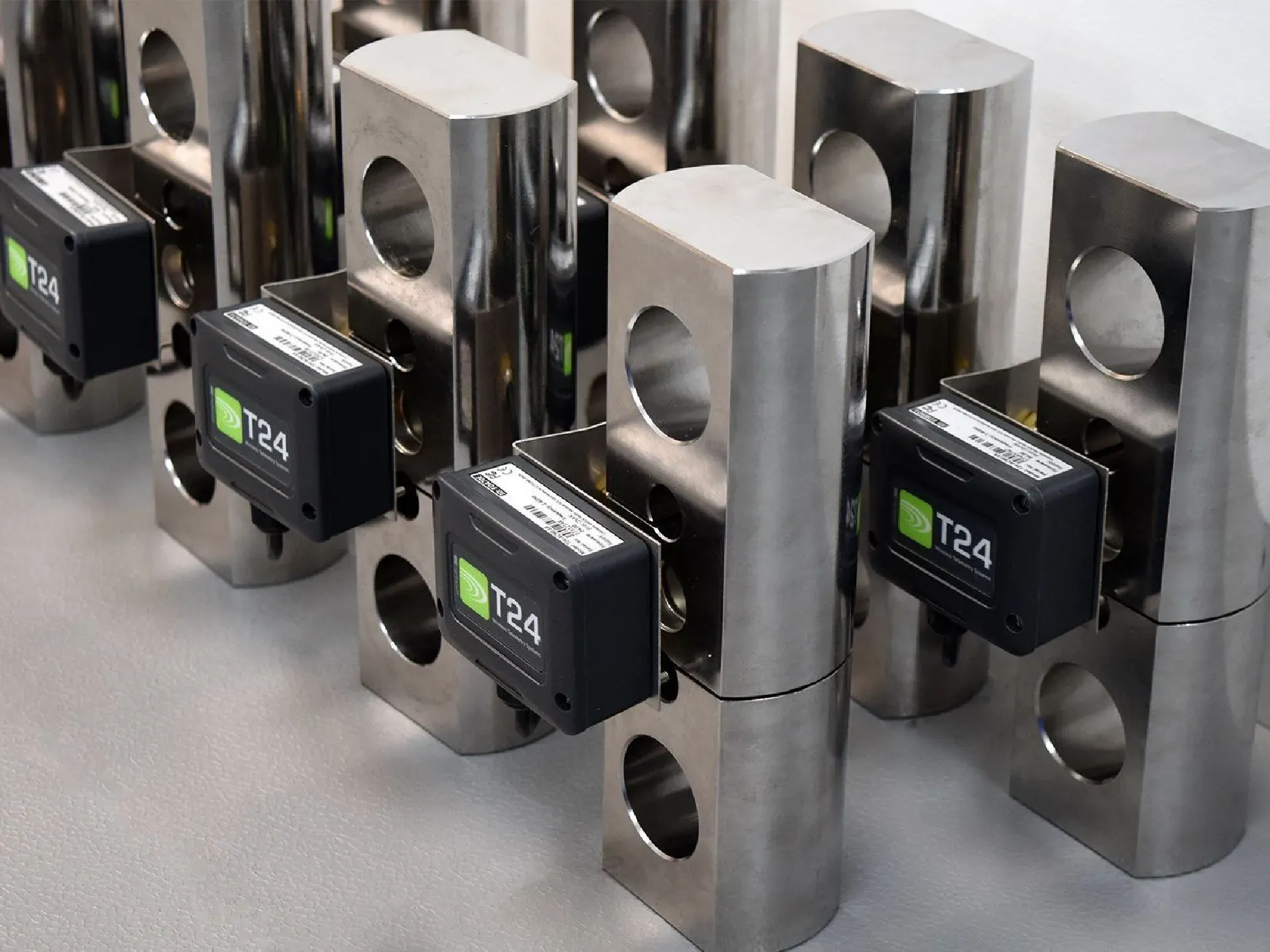
Tension links are a type of load cell designed to measure tensile forces within a lifting or pulling system. Tension links are characterised by their elongated, in-line design, with load-bearing eyes or shackles at each end. This allows them to be easily inserted between two connection points, such as a crane hook and a load to provide accurate, real-time data.
Their straightforward integration makes them ideal for applications including crane lifting, towing, load testing and general rigging operations where reliable load monitoring is essential.
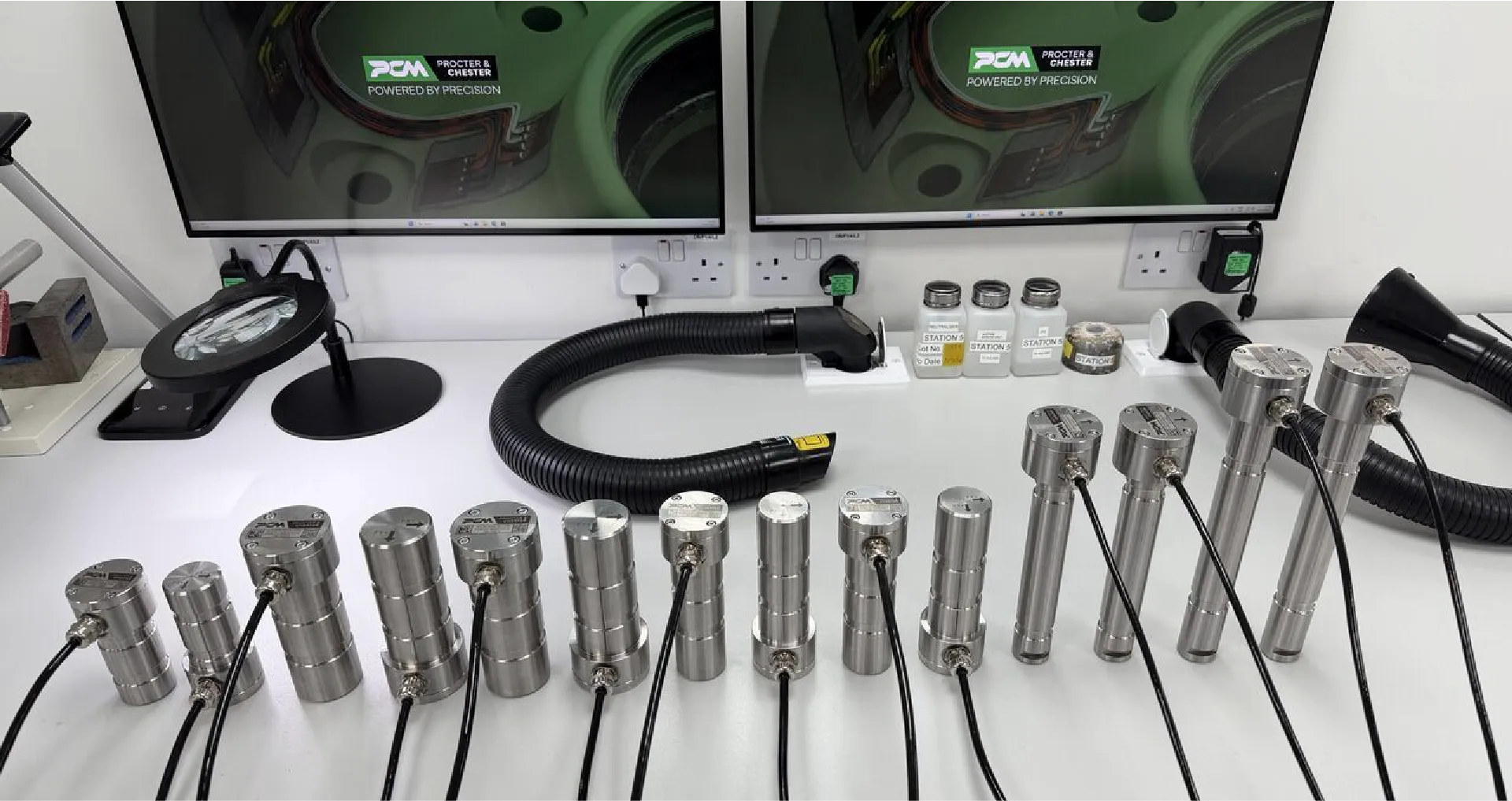
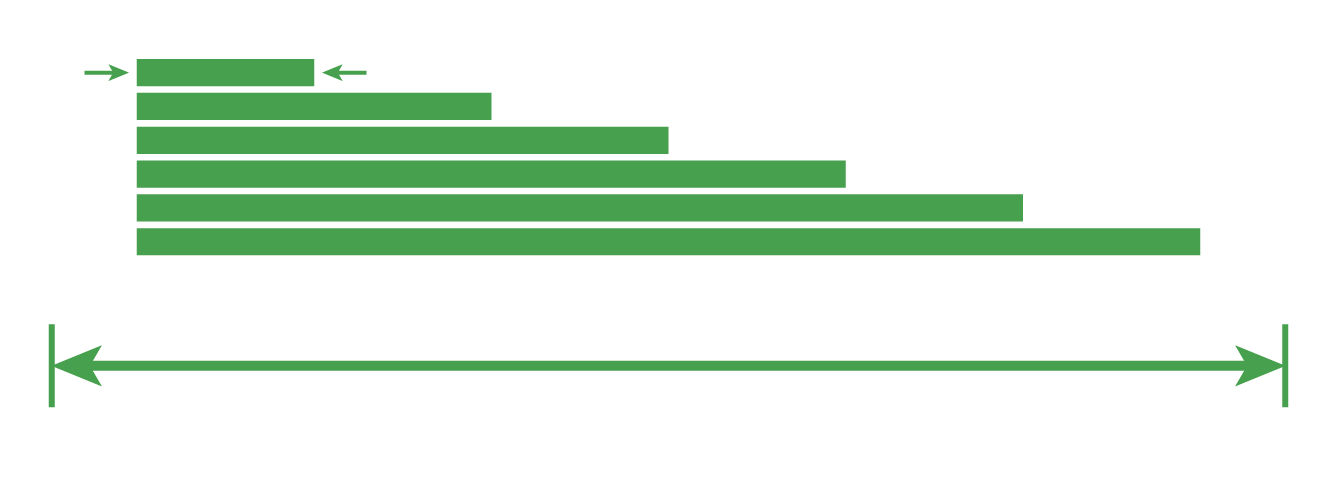
Our load pins can be engineered across a wide range of lengths to suit everything from compact assemblies with restricted installation space, to large clevises and structures requiring much longer pins. We’ll carefully tailor the sensing geometry to each application.
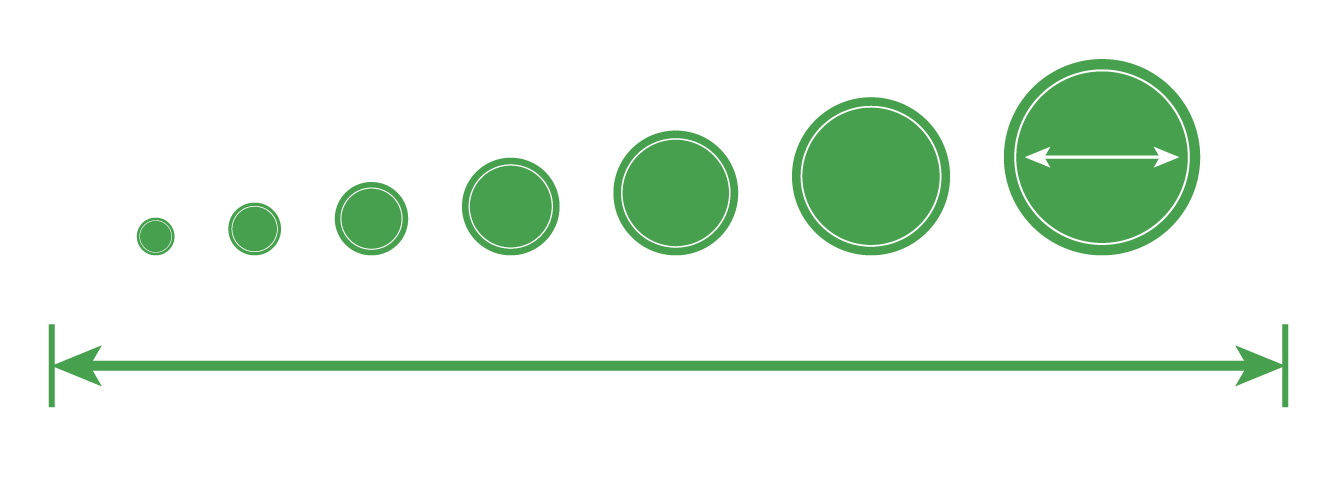
From compact, small-diameter load pins to substantial heavy-duty designs, we can engineer and manufacture across a wide range of capacities. Each pin is optimised to provide the required strength, sensitivity and measurement performance for its application.
Redundant Bridges
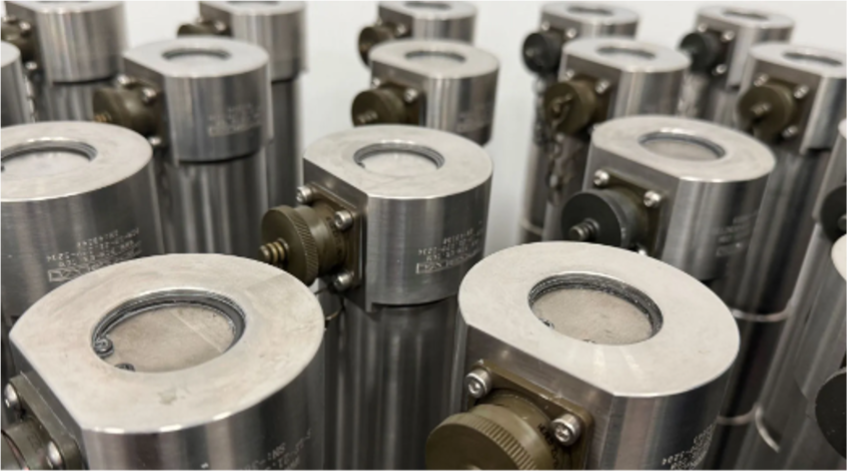
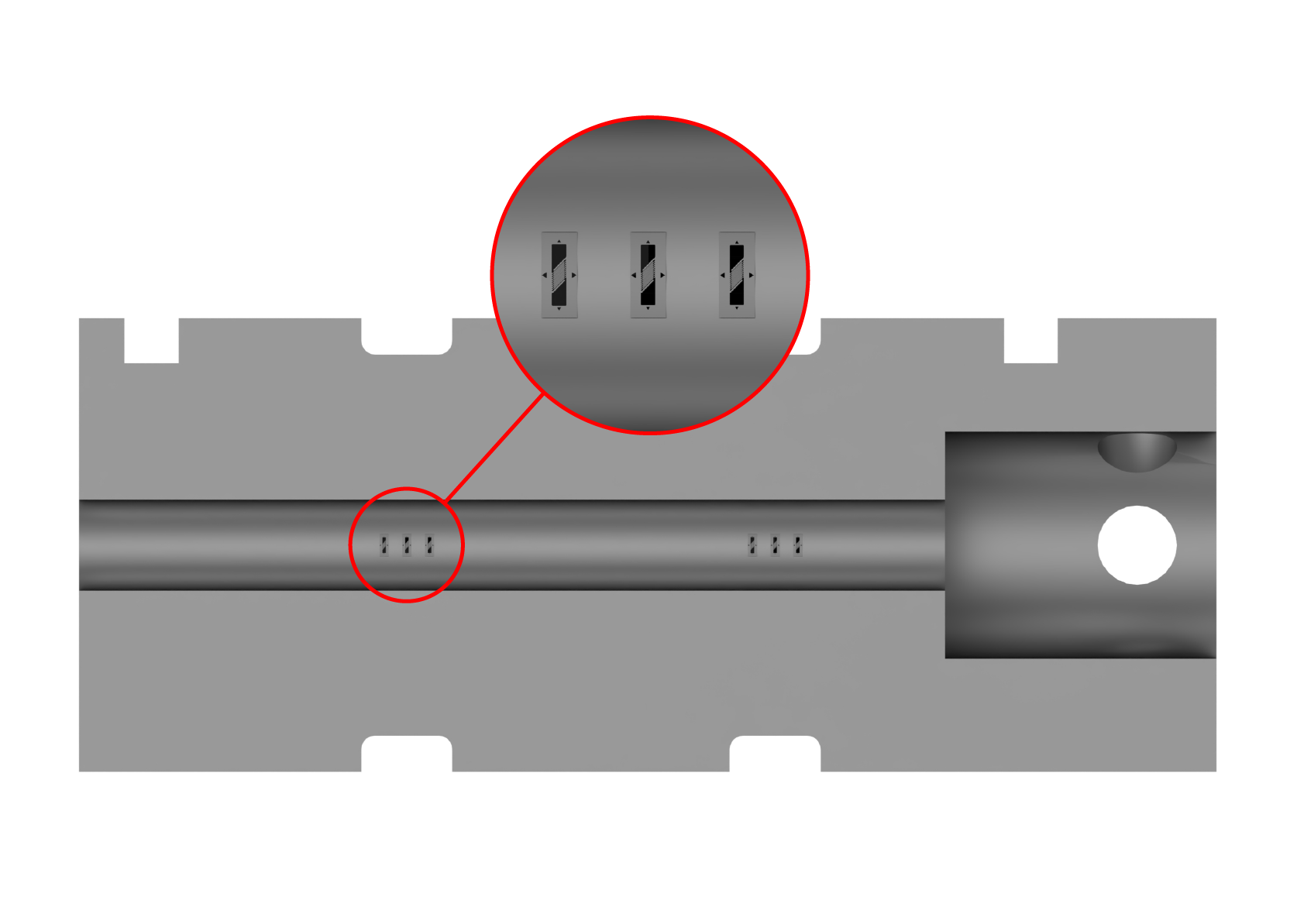
Dual-bridge or tri-bridge strain gauging provides built-in redundancy by incorporating two or three independent Wheatstone bridge circuits on the same load pin. Each bridge measures the same applied load but outputs its own isolated signal, creating a fully duplicated measurement path. For added diversity, each bridge can be installed by different operatives and comprise components sourced from different manufactures.
This approach adds an extra layer of safety in the unlikely event that one bridge experiences a fault, ensuring continuous, reliable load monitoring. Multi-bridge configurations are required to meet SIL or Performance Level standards, and we offer them as a standard option across our custom load pin designs.
Dual Axis
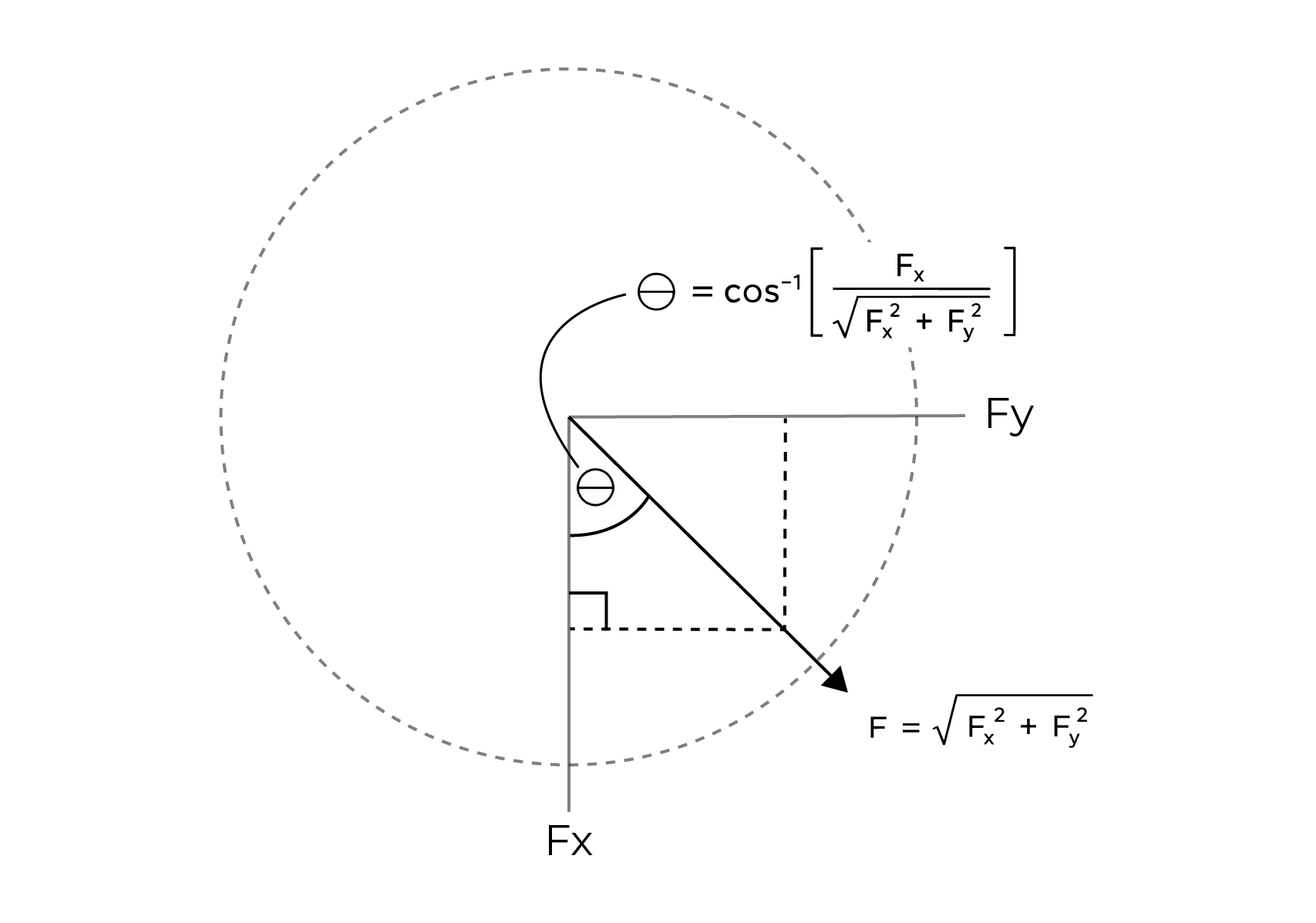
Dual-axis load pins feature two perpendicular measurement axes, allowing them to detect both the force and direction of applied loads. By measuring shear in two orthogonal directions, the system can resolve and provide full 360-degree insight of how forces are acting on the pin. This makes dual-axis sensing invaluable in applications where load paths are variable, complex, or not aligned with a single predictable direction.
At PCM, we design and manufacture dual-axis load pins to meet demanding operational and safety requirements, including environments where off-axis or changing forces need to be monitored accurately. Our custom strain-gauge positioning and in-house calibration processes ensure precise cross-axis performance, giving you reliable data even in multi-directional loading scenarios.
Built-In Amplification
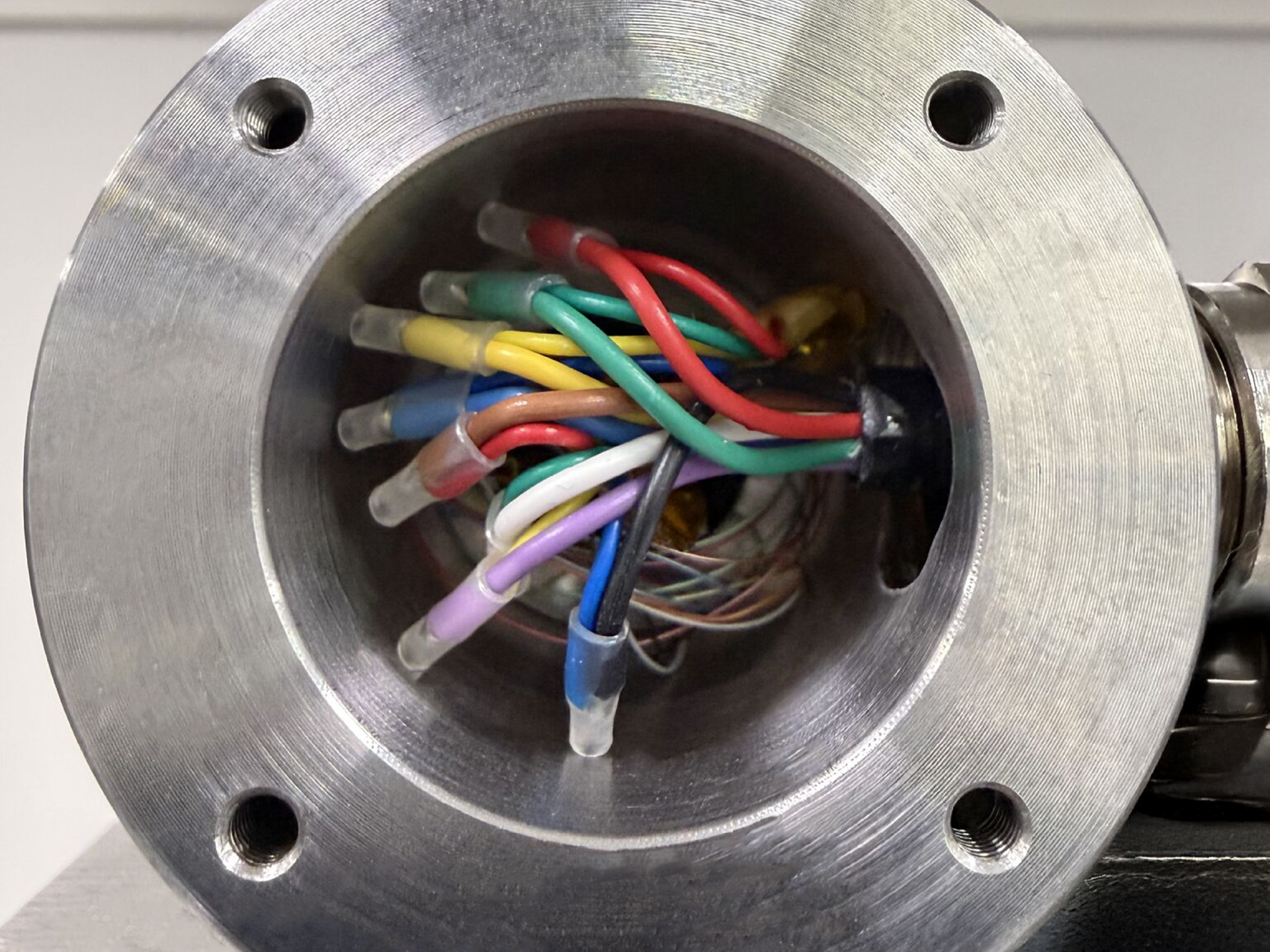
Signal conditioning electronics can be built directly within load pins and tension links, converting the raw strain-gauge signal into a stable, usable output at the source. This reduces susceptibility to noise and removes the need for external amplifiers, simplifying installation and improving overall measurement reliability.
We design and manufacture load pins with fully integrated amplification to suit your system requirements, offering outputs such as 4–20 mA, 0–10 V and digital protocols. All electronics are installed, sealed and calibrated in-house, providing a compact, robust and ready-to-use solution.
Internal Strain Gauging
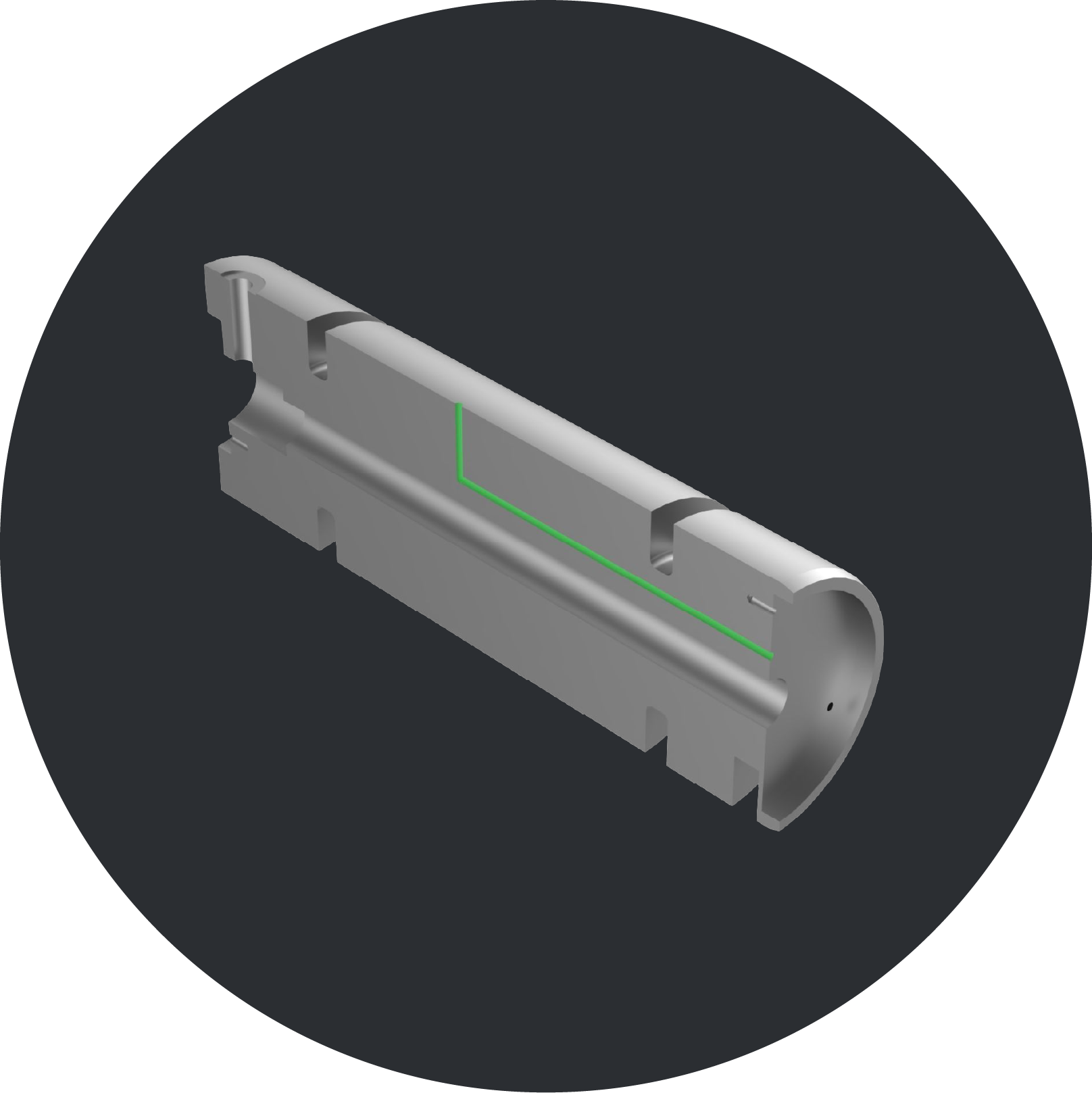
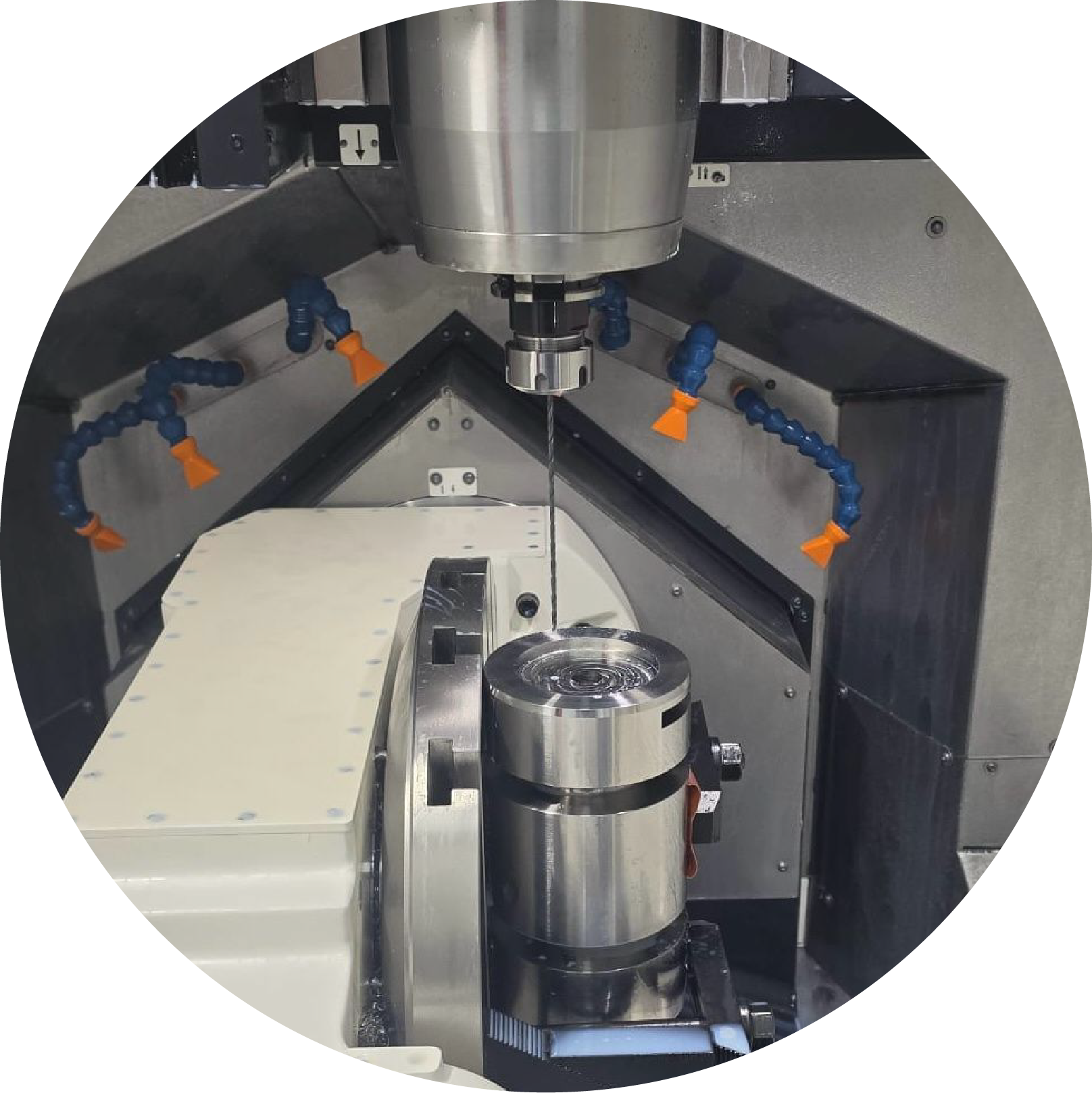
Internal strain gauging involves placing gauges within the body of the load pin, rather than on external surfaces. This approach protects the sensing elements from mechanical damage, environmental exposure and handling during installation or operation, helping to maintain long-term measurement stability and reliability.
We design and manufacture load pins with internally installed strain gauges as standard, using proven in-house techniques to ensure reliable results without compromising structural integrity. Internal gauging allows for a cleaner external profile, improved durability and dependable performance.
Instrumentation
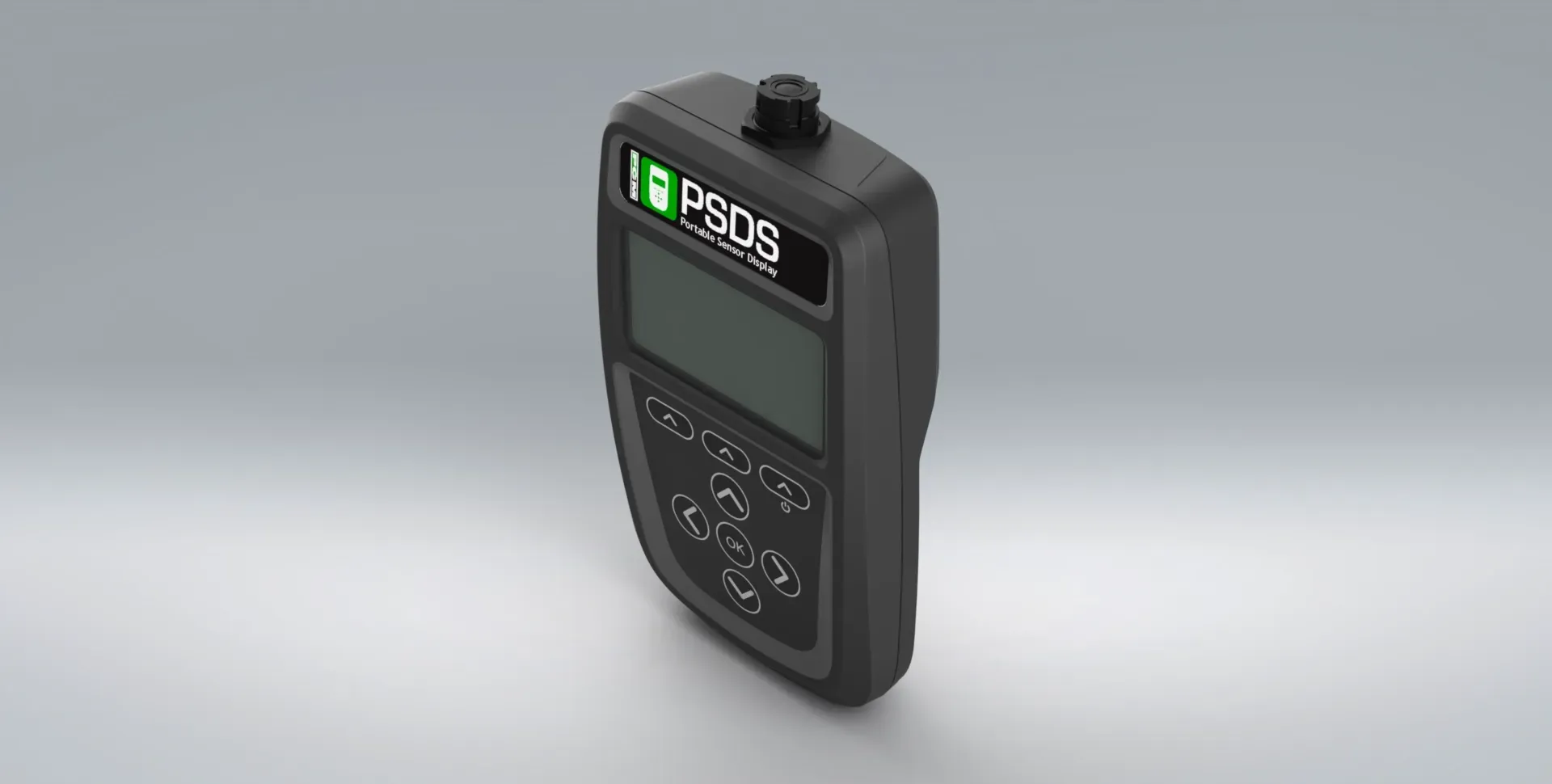

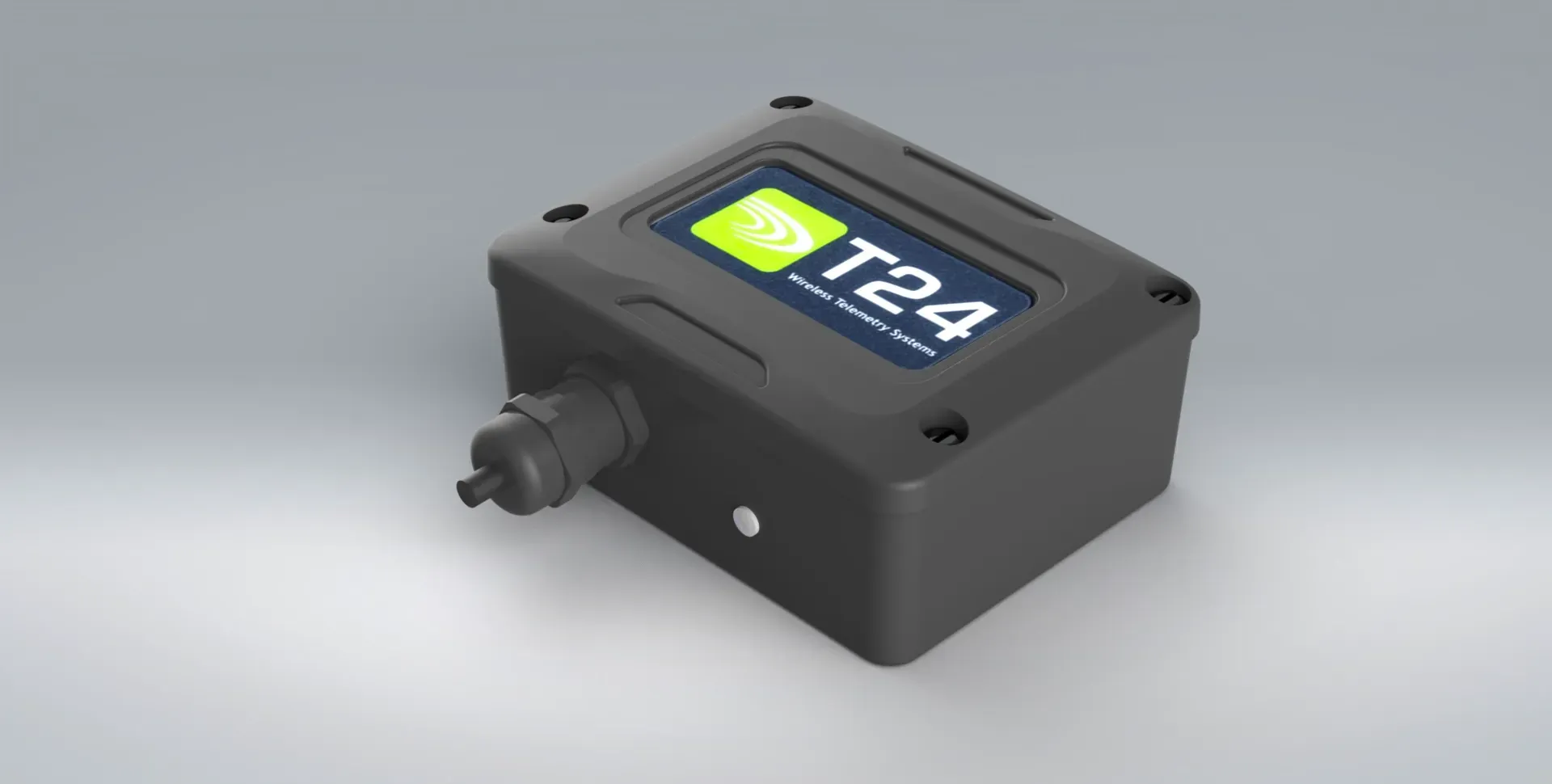
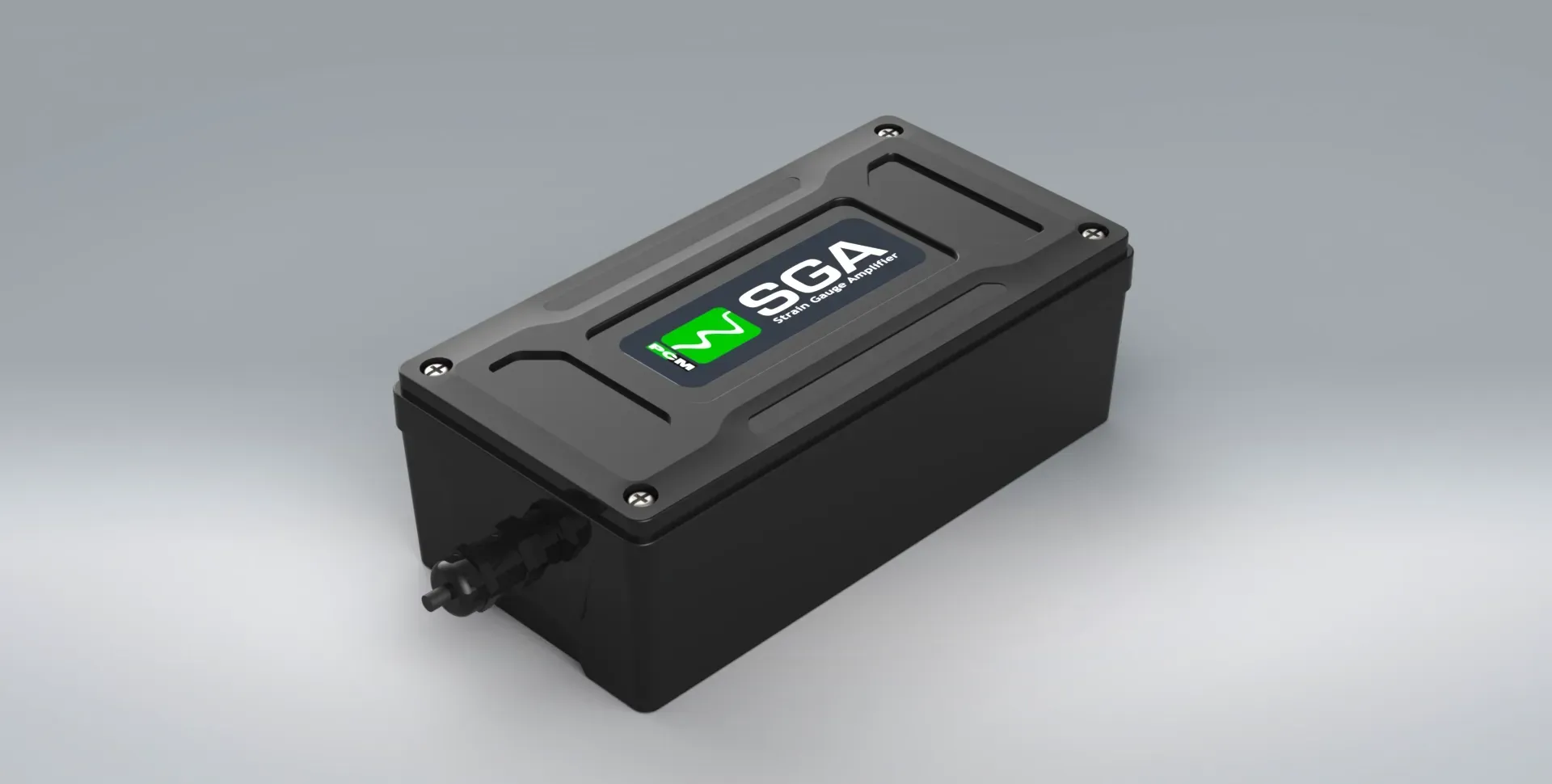
Traceable & UKAS Accredited Calibration
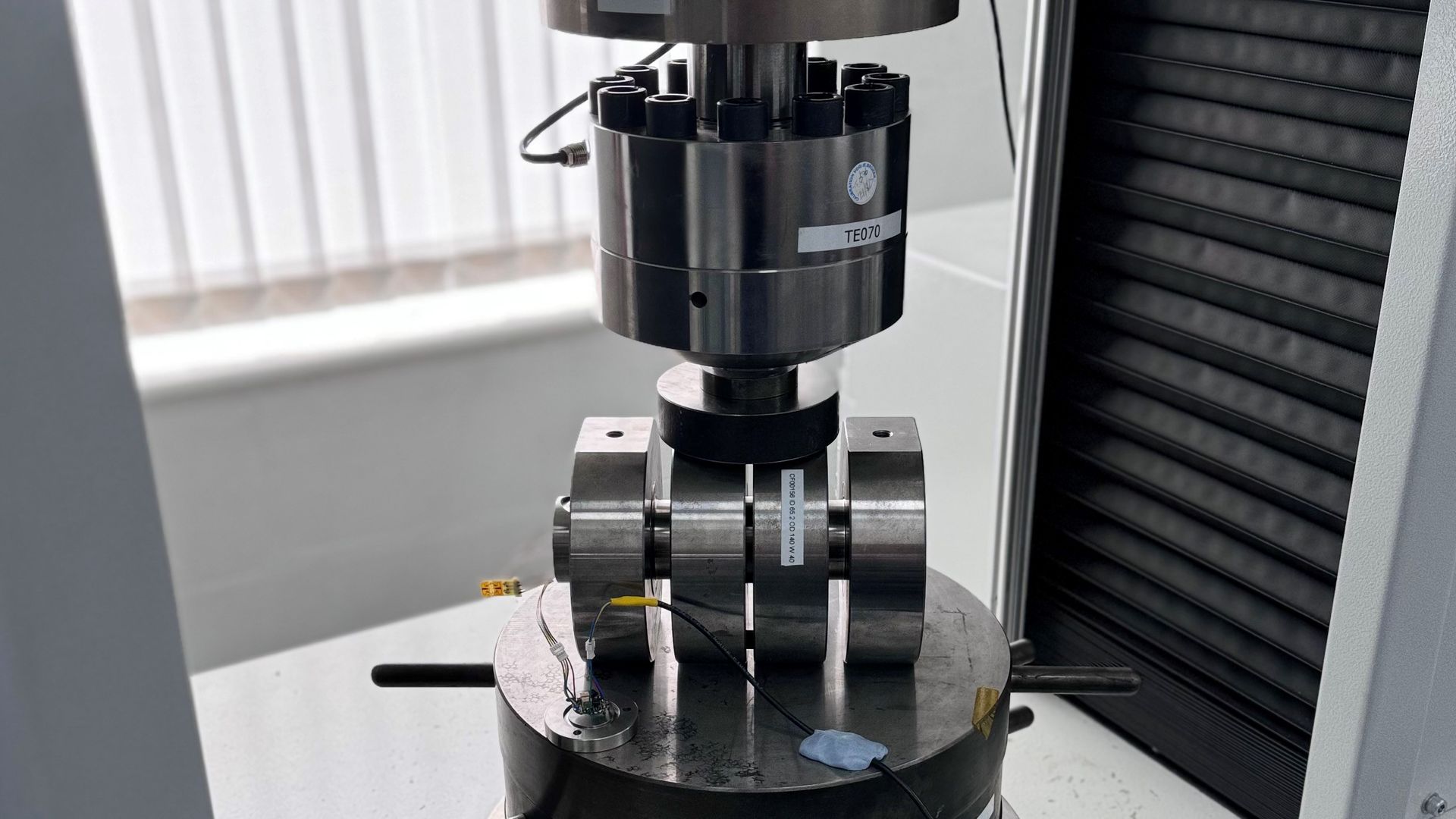
Accurate calibration is critical to the performance and reliability of all load pins, load shackles and tension links. We offer both standard traceable and UKAS accredited calibration to ISO 17025, designing, manufacturing, and using bespoke fixtures representative of those used in the end application wherever possible.
Every calibration we perform comes with a detailed certificate and full traceability to national standards, giving you complete confidence in your application.
Frequently Asked Questions
What is a load pin and how does it work?
A load pin is a force-measuring transducer designed to replace a conventional structural pin, clevis pin, pivot pin or axle within a machine or structure. Strain gauges are installed within or onto a specially designed pin to measure the strain generated as load is transferred through it via shear.
The gauges are configured as a Wheatstone bridge and positioned to maximise sensitivity to the required load while minimising unwanted effects such as bending or load-position changes.
What is the difference between a load pin, load shackle and tension link?
A load pin replaces an existing structural pin and measures the force transferred through it. A load shackle incorporates load measurement into a shackle arrangement, making it particularly suitable for lifting, mooring and tension measurement. A tension link is installed directly into a tensile load path and measures the force passing between its two attachment points.
The best solution depends on the existing mechanical arrangement, required capacity, available space, accuracy and whether the sensor must be permanently installed or portable.
Can load pins, load shackles and tension links be custom designed for my application?
Yes. Load pins, load shackles and tension links are particularly well suited to custom design because they often need to interface directly with existing machinery or structures.
PCM can design sensors around the required pin diameter, overall dimensions, load capacity, bearing arrangement, mounting geometry, environmental conditions and electrical output. Existing components can also be assessed to determine whether they can be instrumented directly or replaced with a dimensionally compatible transducer.
Can a standard pin be converted into a load pin?
In many cases, yes. An existing pin design can potentially be modified and strain gauged to create a force-measuring load pin, provided its geometry, material, stress distribution and available space are suitable.
The design must provide sufficient strain for a useful electrical output while maintaining adequate mechanical strength, fatigue life and overload capability.
PCM can assess existing drawings or components and determine whether direct instrumentation or a purpose-designed replacement load pin is the better approach.
What load ranges and capacities are available for load pins load shackles and tension links?
Load pins and tension links can be designed across a very wide range of capacities, from relatively small forces to loads of hundreds or thousands of kilonewtons.
The achievable capacity depends on the available geometry, material, mounting arrangement, required factor of safety and measurement performance. Large-capacity sensors may also require consideration of the calibration capability available at the required force.
PCM can design the transducer around the application's actual mechanical envelope rather than restricting the design to predetermined catalogue capacities.
What output signals are available for load pins and load shackles?
Load pins and load shackles can be supplied with a conventional raw strain-gauge bridge output in mV/V, or with integrated electronics providing amplified analogue or digital outputs.
Common options include 0-5 V, 0-10 V, 0.5-4.5 V and 4-20 mA, together with digital Modbus or CAN interfaces where required.
The optimum output depends on cable length, instrumentation, power supply, electrical environment and the PLC, DAQ or control system receiving the signal.
Can load pins have dual or redundant outputs?
Yes. Load pins can incorporate multiple independent strain-gauge bridges where redundancy, monitoring or system architecture requires more than one measurement channel.
Dual or triple redundant load pins can be developed for applications requiring independent, theoretically identical outputs from the same mechanical load path. Each measurement channel can be separately connected, conditioned and calibrated as required.
This is particularly useful in safety-related, control and monitoring applications where independent measurement channels are required for backup in case of failure.
Are load pins and load shackles suitable for outdoor and harsh environments?
Yes. Load pins and load shackles can be designed for outdoor, marine, industrial and other demanding environments.
Material selection, corrosion protection, environmental sealing, cable entry and connector selection can be tailored to the application. Temperature range, water ingress, chemicals, vibration and long-term exposure should all be considered when specifying the sensor.
Where required, designs can be produced for defined IP protection levels.
PCM’s specialist down hole manufacturing method, where strain gauges are installed inside the pin’s body, guarantees superlative robustness.
Can load pins be retrofitted into existing equipment?
Yes. Retrofitting is one of the principal advantages of load pin measurement. In many applications, an existing structural or clevis pin can be replaced with a dimensionally compatible instrumented load pin without substantially redesigning the surrounding equipment.
PCM can work from an existing component, engineering drawing or installation dimensions to develop a replacement sensor while considering the actual load path, bearing locations and available space for cables or connectors.
Do you provide calibration for load pins and load shackles?
Yes. PCM can calibrate load pins, load shackles and tension links as part of manufacture or as standalone calibration work.
Where possible, calibration should mimic the actual in-situ loading arrangement as closely as possible because bearing positions, mechanical fits and friction can greatly influence the output.
Where required, PCM operates an in-house UKAS-accredited ISO/IEC 17025 force calibration laboratory for force calibrations in accordance with BS 8422.
What information is needed to design a custom load pin or load shackle?
The most useful information is the required measurement range, maximum or overload force, dimensions or CAD model of the existing installation, pin or shackle geometry, material constraints, bearing or load positions, required accuracy and environmental conditions.
The required electrical output, supply voltage, cable or connector, temperature range and interface to the customer's instrumentation or control system should also be specified.
Where complete information is not available, PCM can work with customers to establish an appropriate specification.