Back to Main Menu


INSTRUMENTATION
State-Of-The-Art Signal Conditioning, Amplification & Data Acquisition
Our hand-picked range of instrumentation is designed to get the most from your load cell or strain gauge installations. From signal conditioning amplifiers and digital indicators to advanced data acquisition systems, we supply high-quality, trusted electronics that ensure stable measurement, clean signal output and seamless integration into your new or existing systems.
Home > Instrumentation


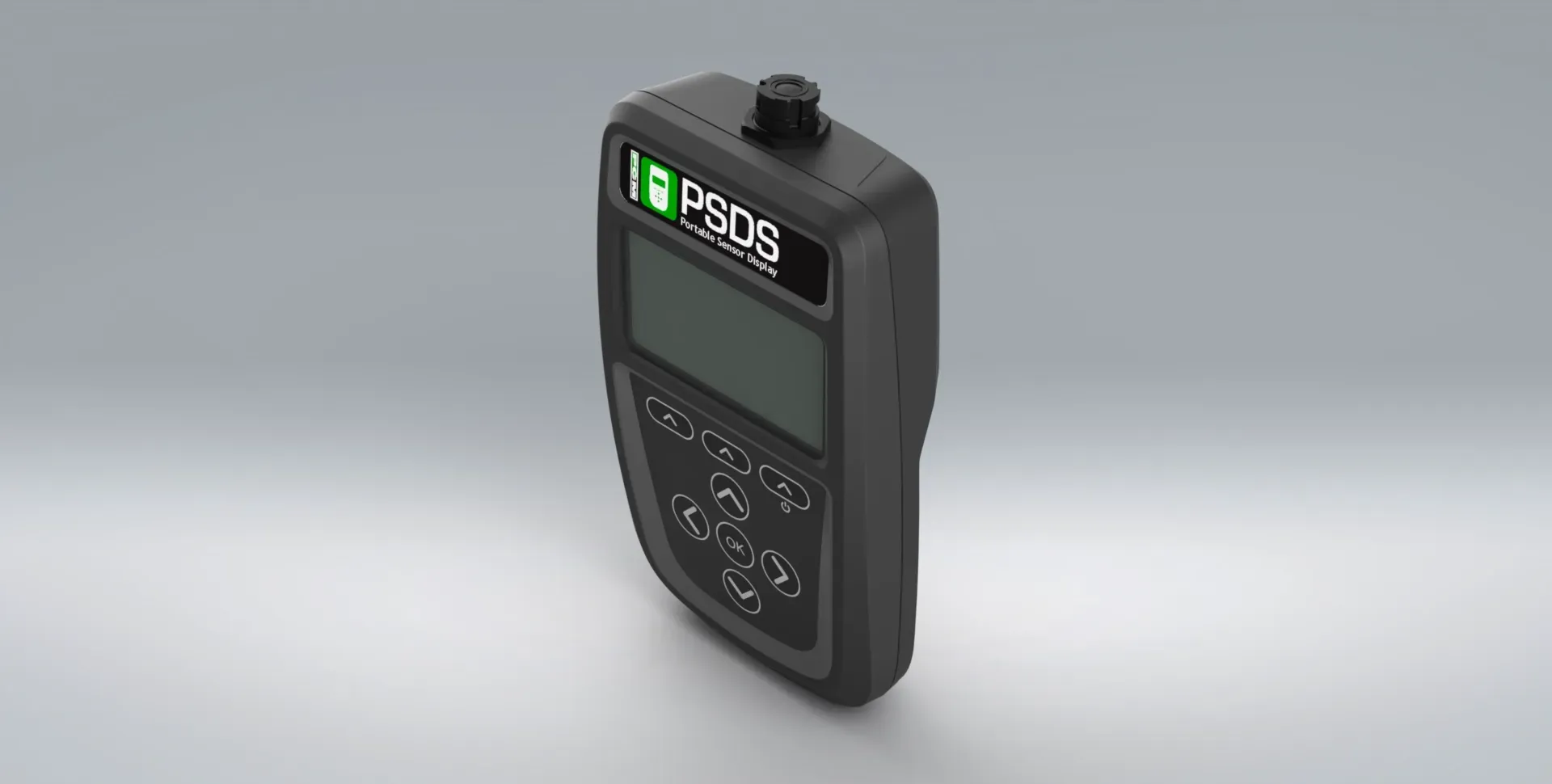
OUTPUT: USB/DISPLAY
POWER SUPPLY: 2XAA/USB
RATING: IP64
available
POWER SUPPLY: 2XAA/USB
RATING: IP64
available
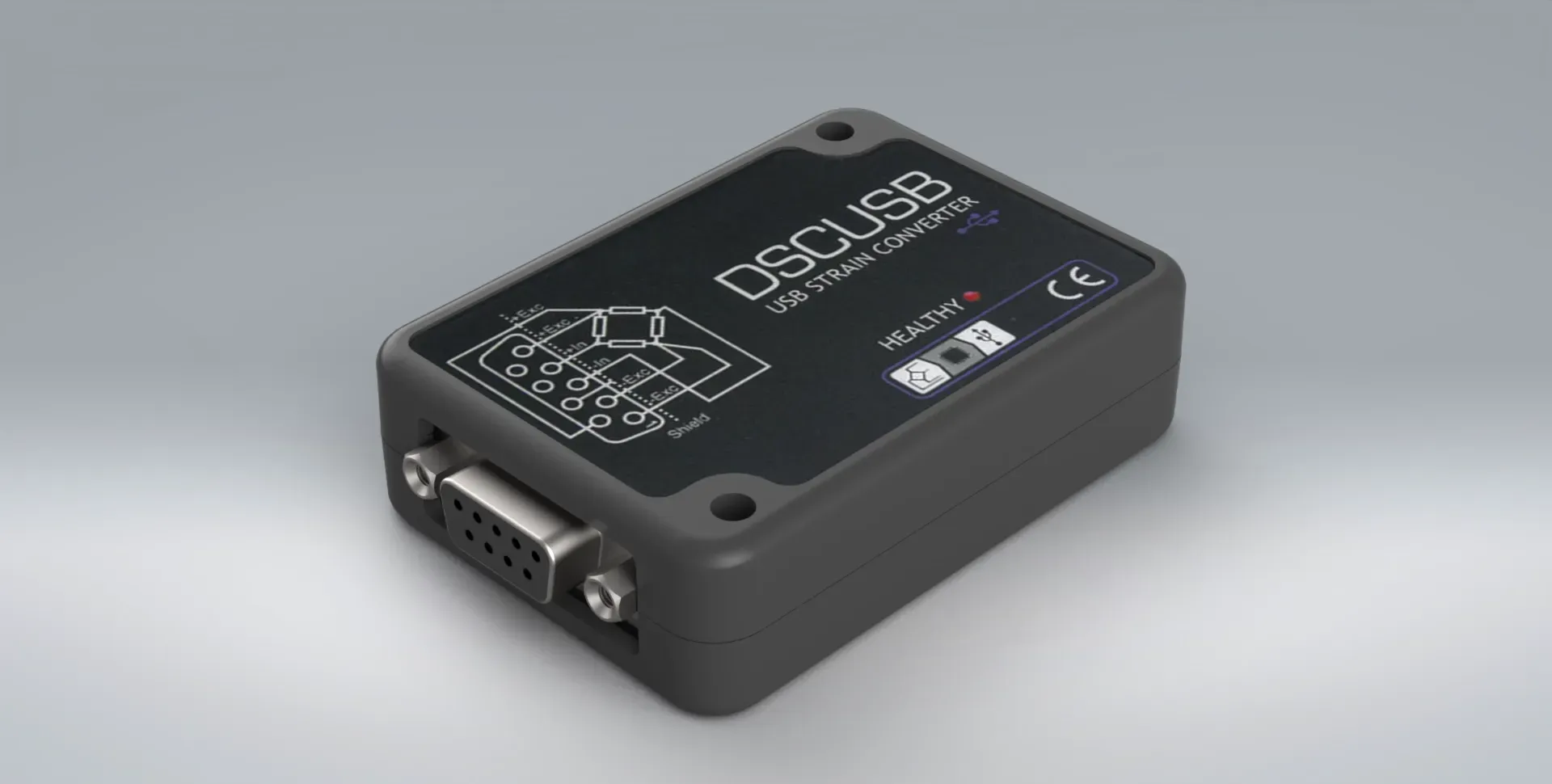
OUTPUT: USB
POWER SUPPLY: USB
RATING: IP50
available
POWER SUPPLY: USB
RATING: IP50
available
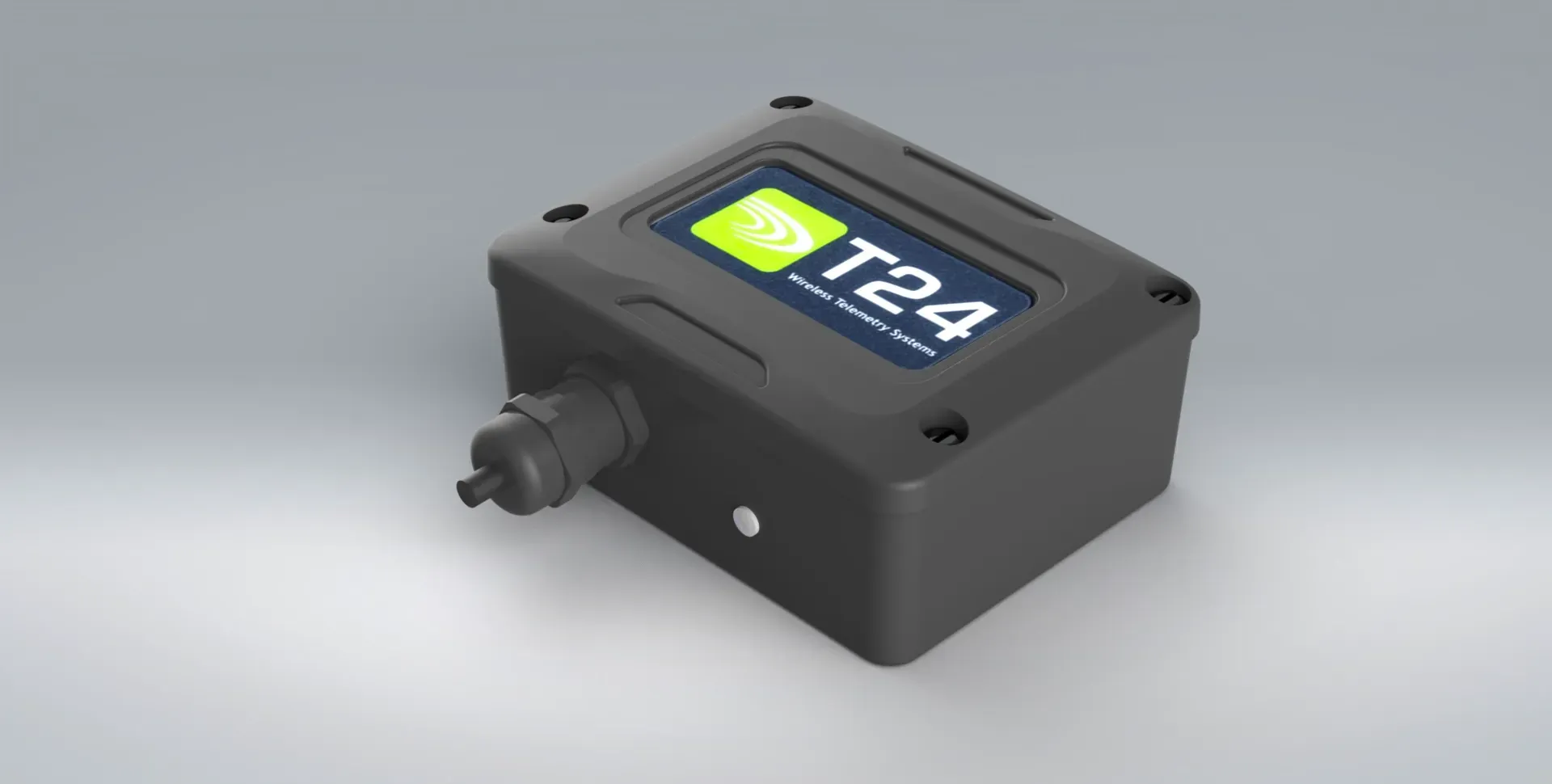
OUTPUT: 2.4GHz/DISPLAY
POWER SUPPLY: BATTERY/USB
RATING: IP50-IP67
available
POWER SUPPLY: BATTERY/USB
RATING: IP50-IP67
available
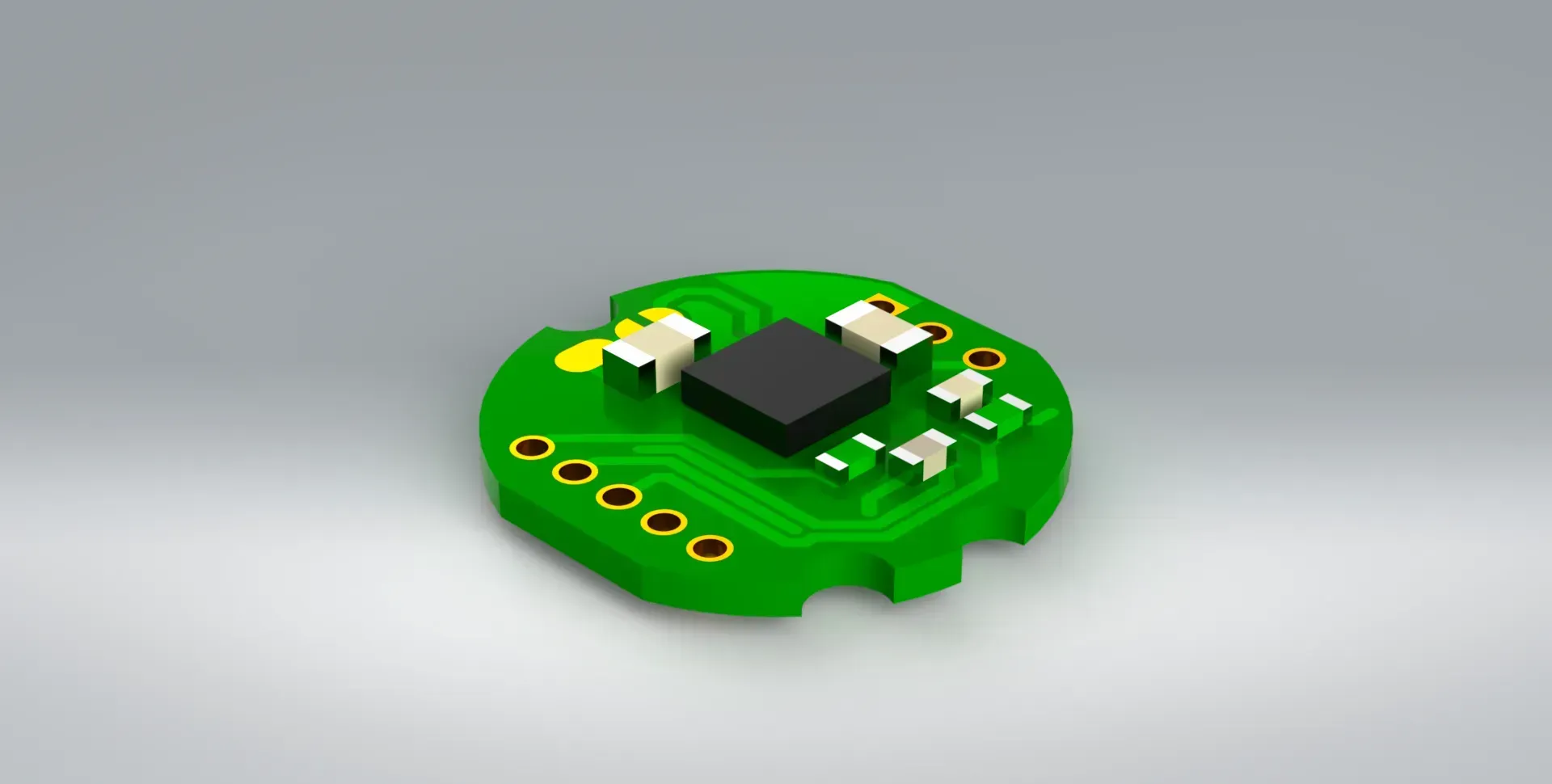
OUTPUT: 0.5-4.5V
POWER SUPPLY: 8-30VDC
RATING: ENCLOSURE DEPENDENT
POWER SUPPLY: 8-30VDC
RATING: ENCLOSURE DEPENDENT
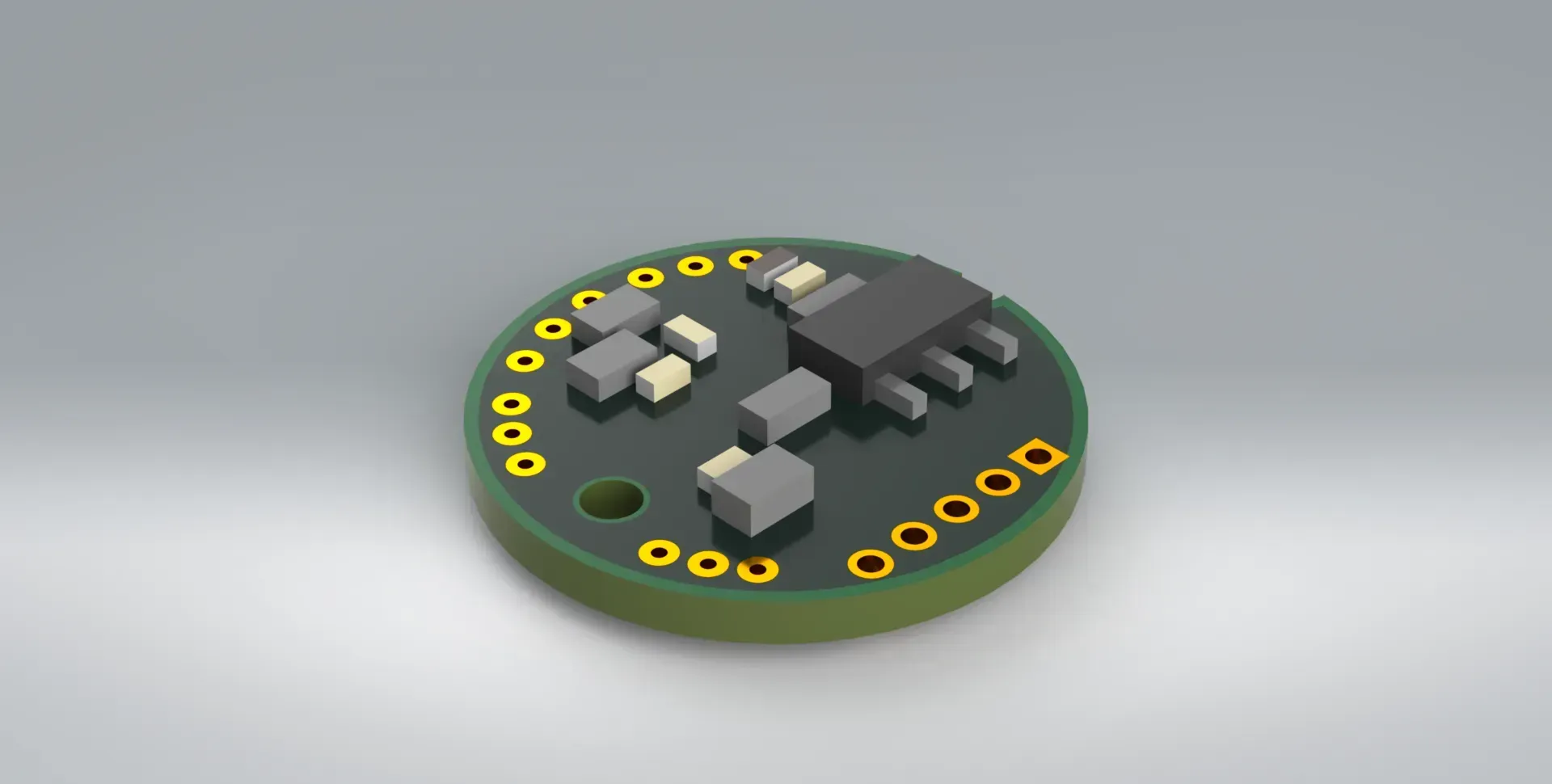
OUTPUT: 4-20mA, 0.5-4.5V, 0-10V, ±10V
POWER SUPPLY: 12-30VDC, ±12-±30VDC
RATING: IP67
POWER SUPPLY: 12-30VDC, ±12-±30VDC
RATING: IP67
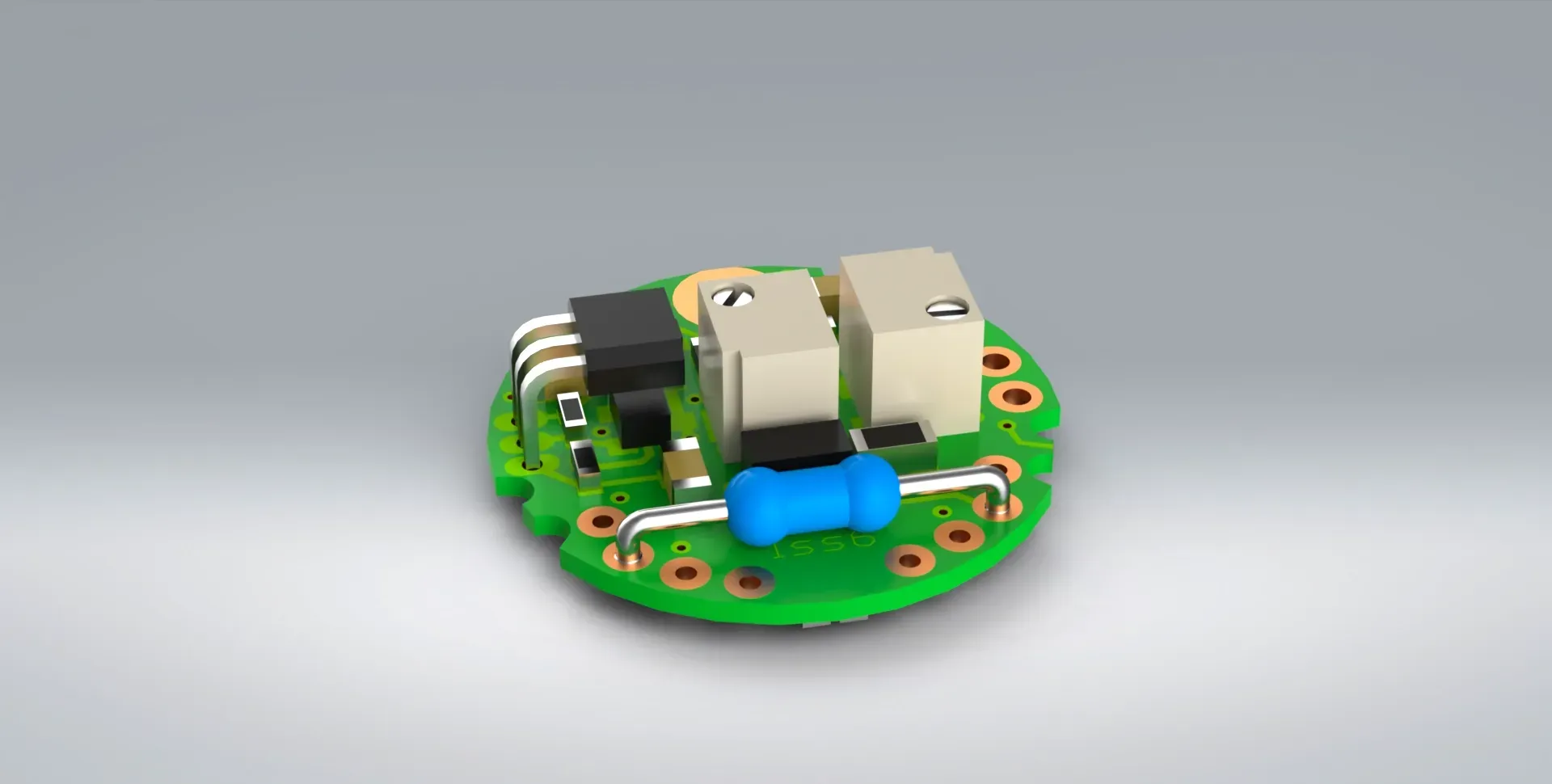
OUTPUT: 4-20mA, 0-5V, 0-10V, ±5V, ±10V
POWER SUPPLY: 7.5/28VDC
RATING: ENCLOSURE DEPENDENT
POWER SUPPLY: 7.5/28VDC
RATING: ENCLOSURE DEPENDENT
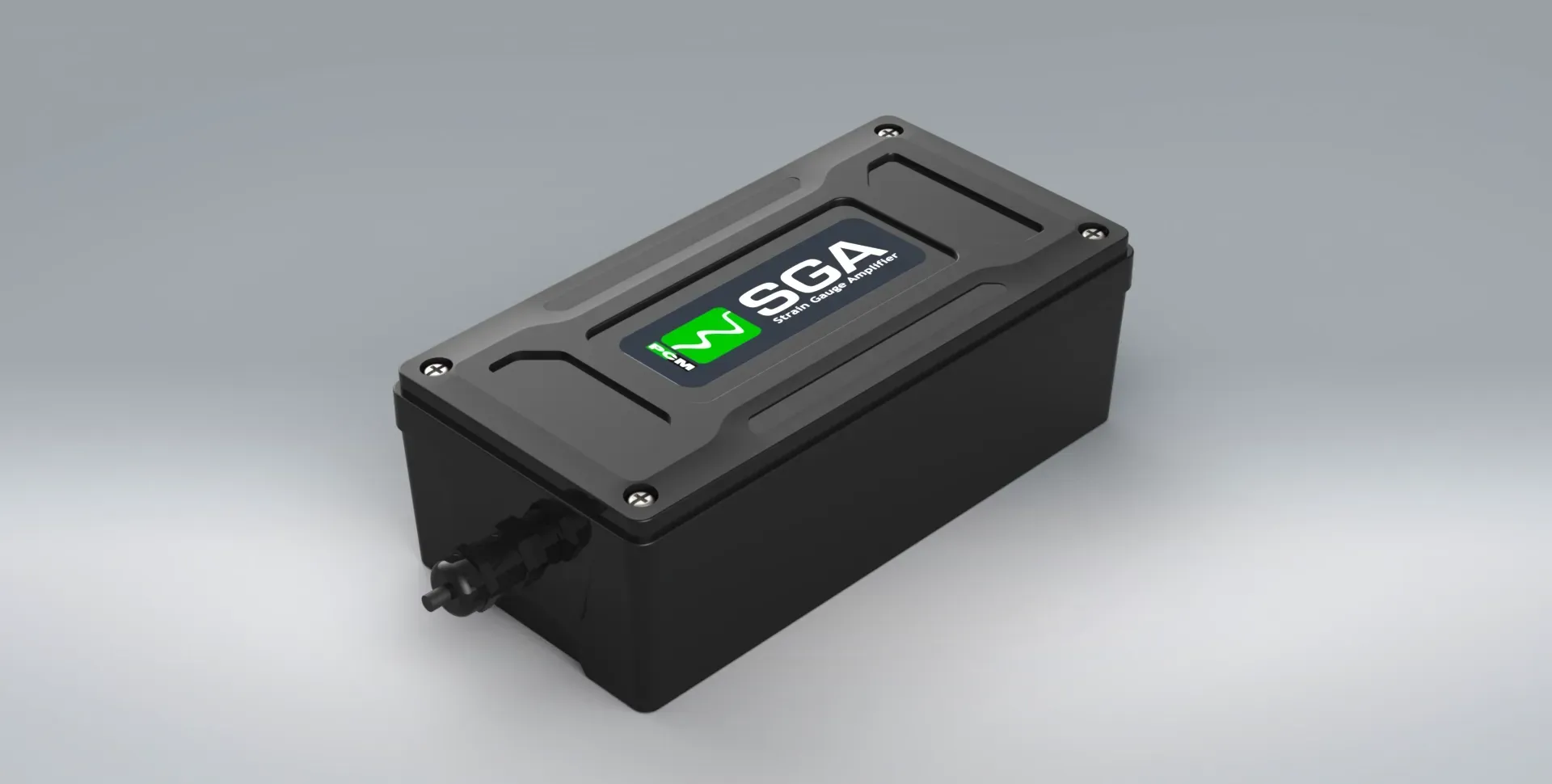
OUTPUT: 4-20mA, 0-5V, 0-10V, ±10V
POWER SUPPLY: 110/230VAC, 18-24VDC, 9-36VDC
RATING: IP67
available
POWER SUPPLY: 110/230VAC, 18-24VDC, 9-36VDC
RATING: IP67
available
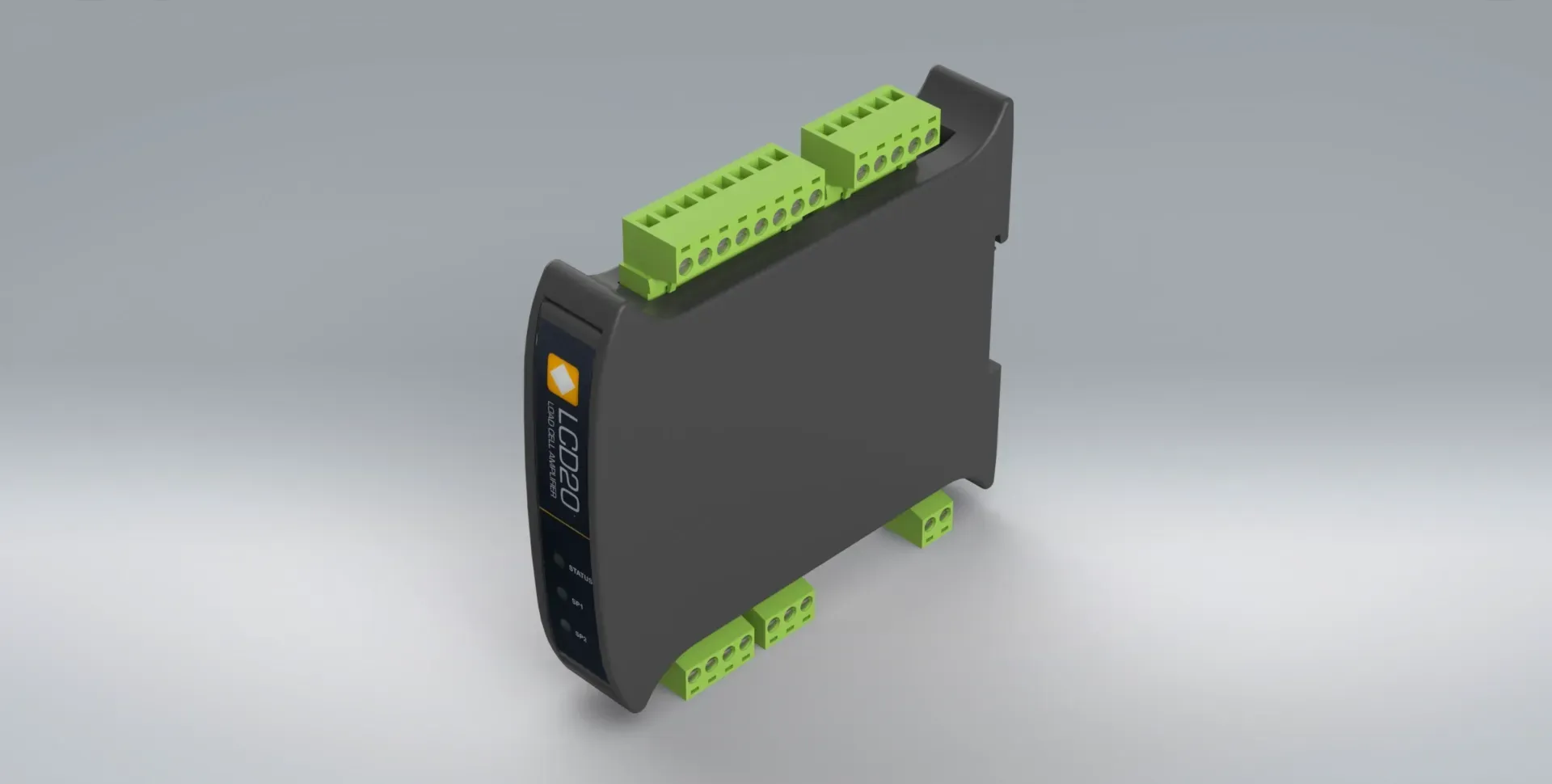
OUTPUT: 4-20mA/0-10V
POWER SUPPLY: 3-32VDC
RATING: IP20
POWER SUPPLY: 3-32VDC
RATING: IP20
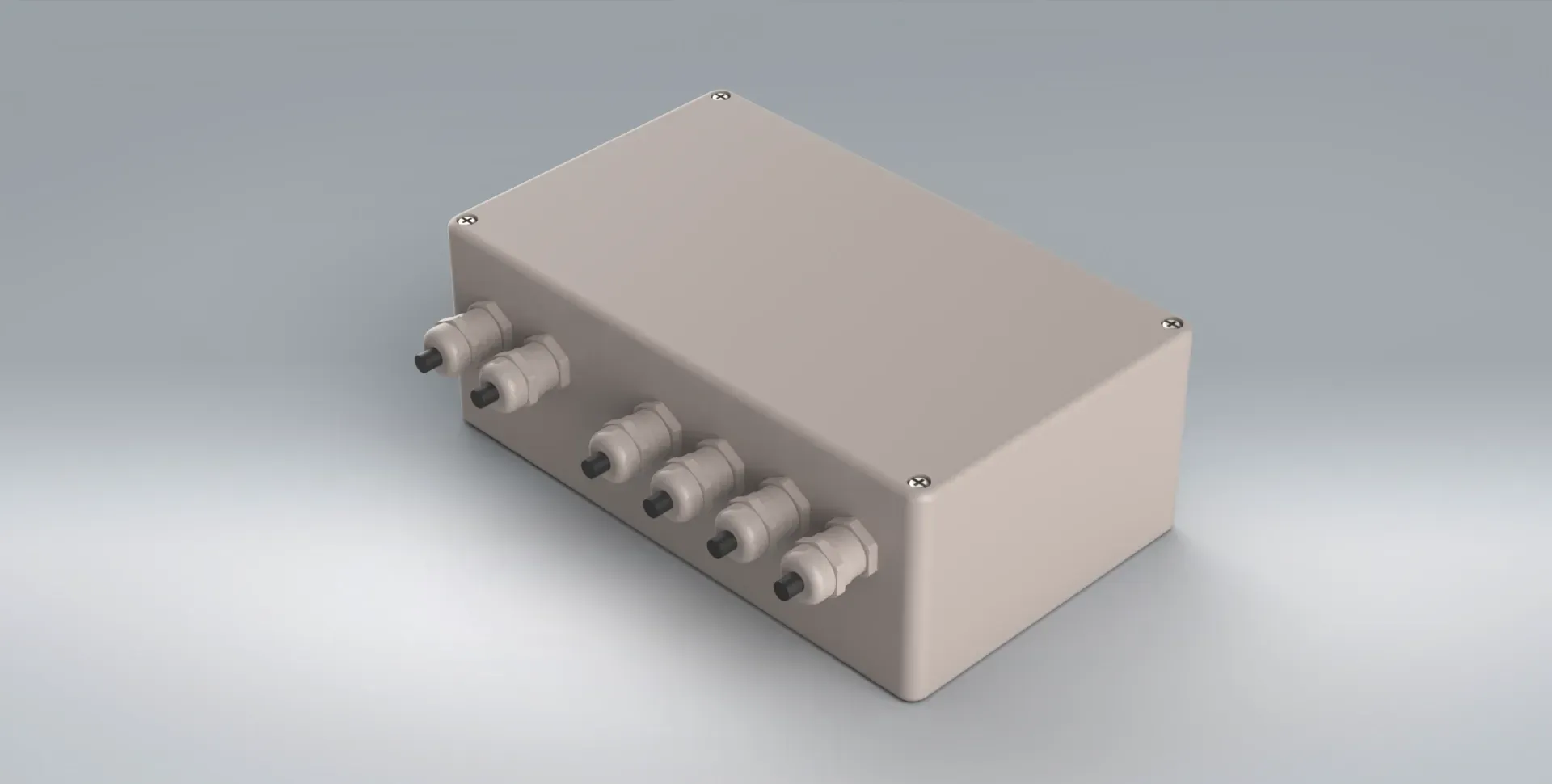
OUTPUT: 4-20mA/0-10V
POWER SUPPLY: 100/230VAC, 9-32VDC
RATING: IP65
POWER SUPPLY: 100/230VAC, 9-32VDC
RATING: IP65
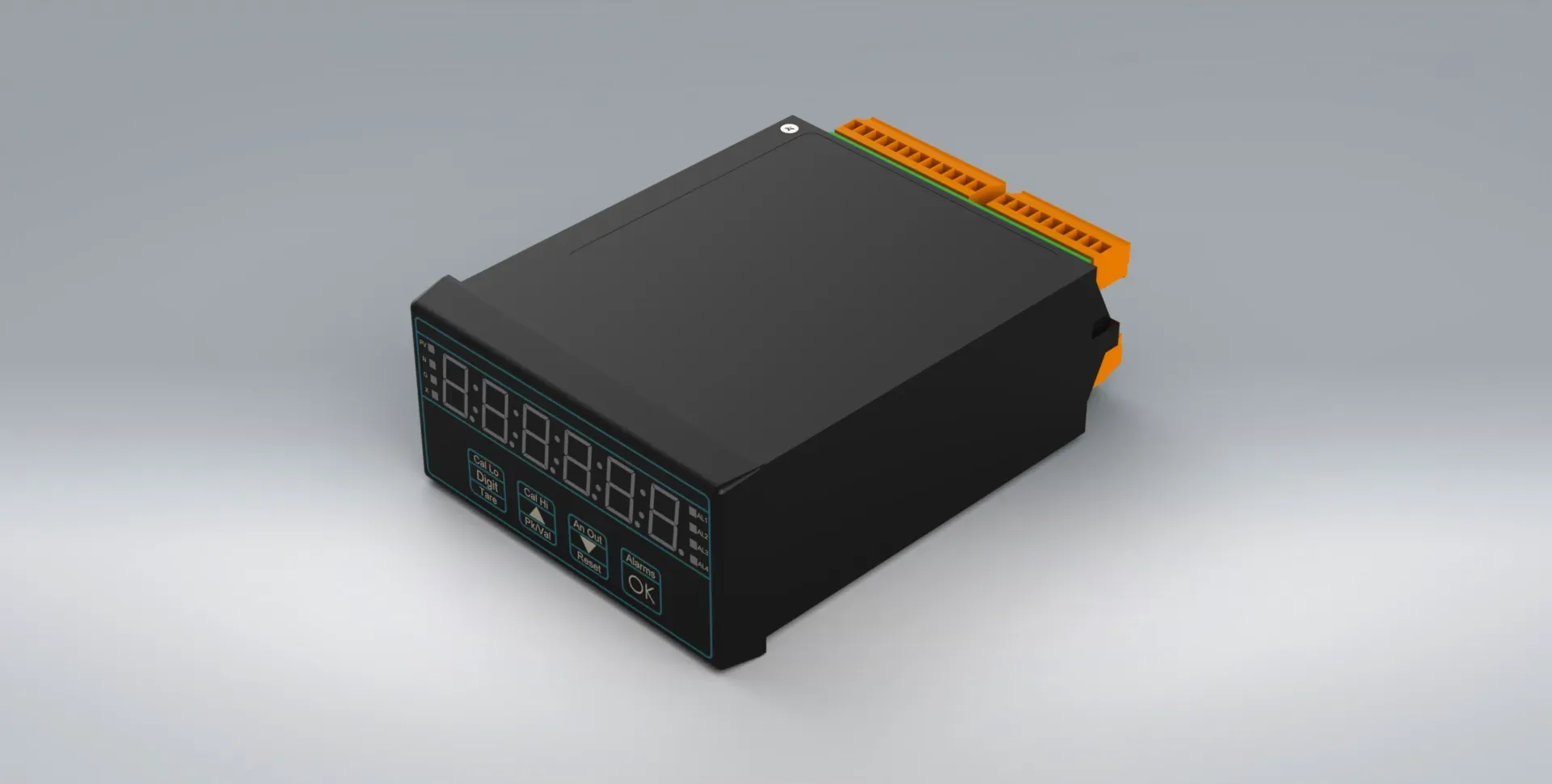
OUTPUT: DISPLAY
POWER SUPPLY: 110-240VAC/11-30VDC
RATING: IP65
POWER SUPPLY: 110-240VAC/11-30VDC
RATING: IP65

OUTPUT: mV/V
POWER SUPPLY: BRIDGE DEPENDENT
RATING: IP65
available
POWER SUPPLY: BRIDGE DEPENDENT
RATING: IP65
available
What is a Load Cell Indicator?
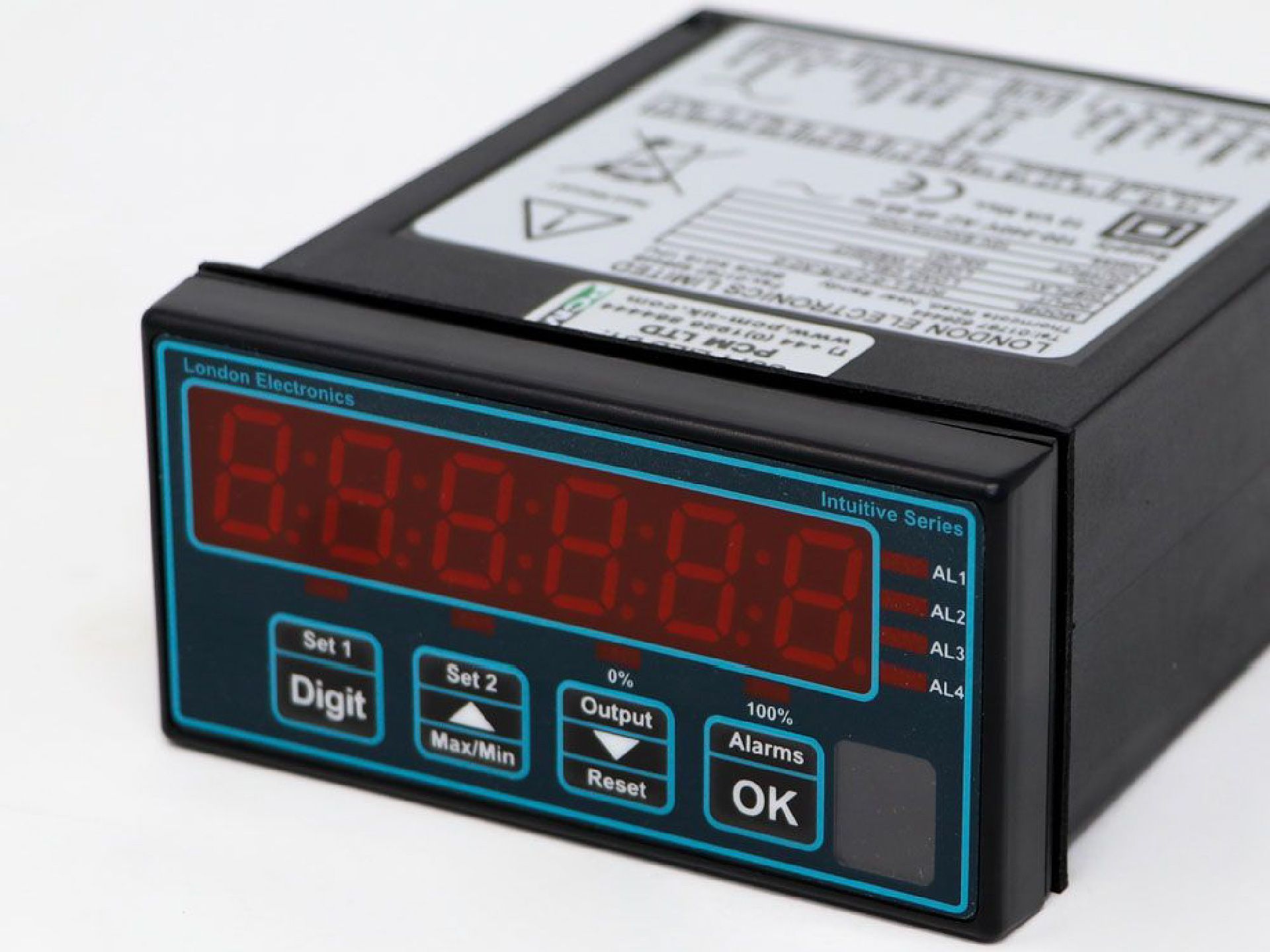
Load cell indicators provide a clear, real-time display of measurement values from load cells and strain gauges. Available as panel-mounted or standalone units, they allow operators to monitor force, weight, tension or compression measurements and often include alarm, control and data communication functions.
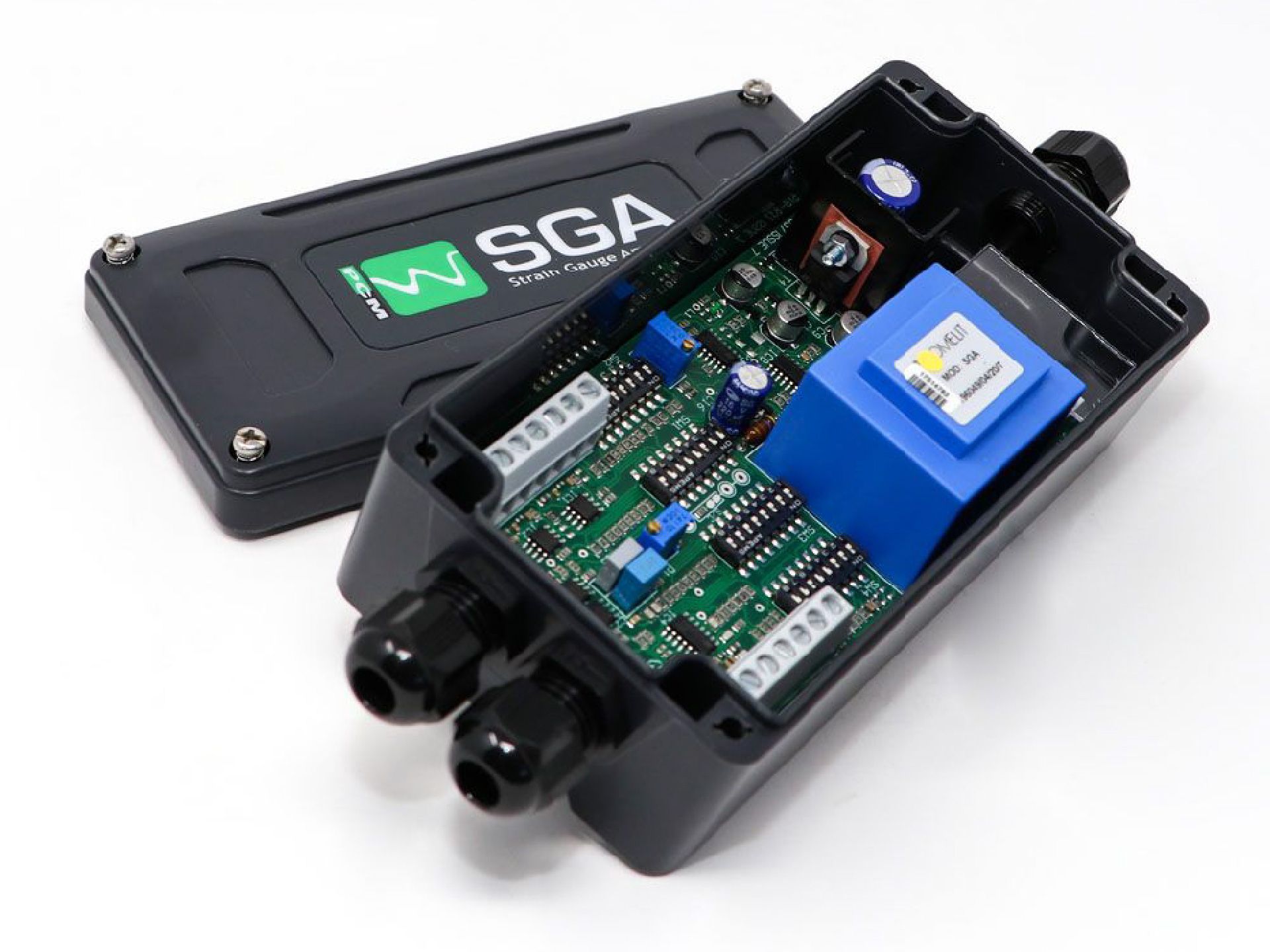
What is a Signal Conditioner?
Signal conditioners convert the low-level millivolt output from a load cell or strain gauge into a stable, usable signal. By amplifying and conditioning the sensor output, they enable reliable integration with PLCs, control systems, data acquisition equipment and industrial automation systems.
Analogue signal conditioners: Analogue signal conditioners provide outputs such as 4–20mA, 0–10V and ±10V, making them ideal for integration with traditional control and monitoring equipment.
Digital Signal Conditioners: Digital signal conditioners offer communication protocols such as RS485, Modbus or Ethernet, enabling direct connection to modern control systems and industrial networks.
What is Wireless Telemetry?
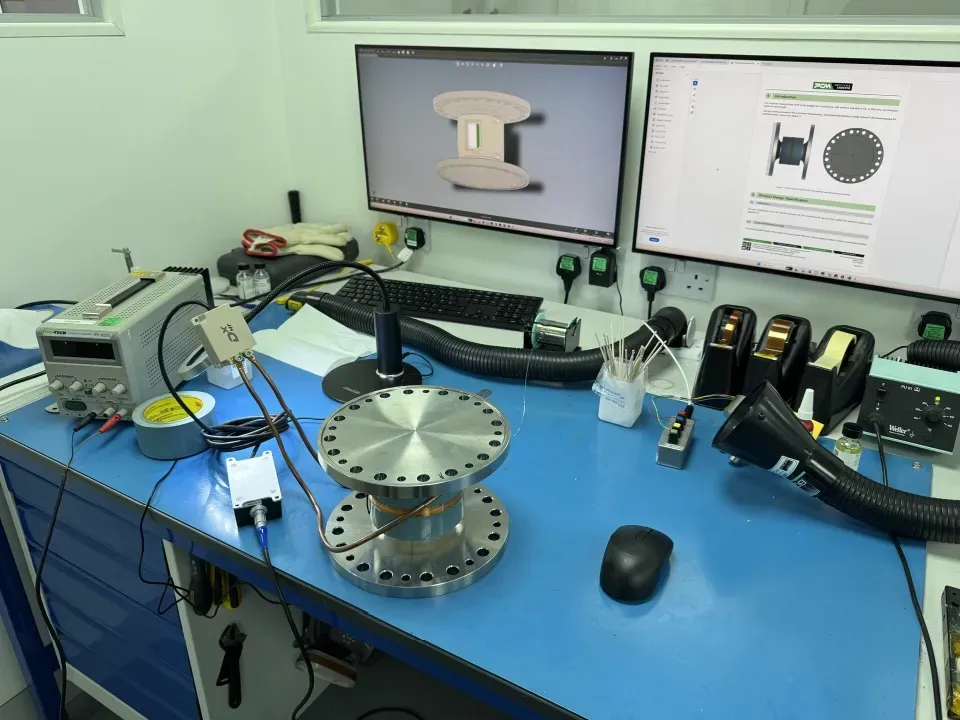
Wireless telemetry systems transmit measurement data without the need for physical cabling between the sensor and receiver. They are particularly useful for rotating machinery, moving structures and applications where cable routing is impractical or costly.
Choosing the Right Instrumentation
Output Signal
Select instrumentation with the appropriate output for your system, whether that’s 4–20mA, 0–10V, RS485, Modbus or Ethernet. The correct output ensures seamless communication with your PLC, control system or data logger.
Mounting & Installation
Consider how and where the unit will be installed. Panel-mounted indicators suit operator interfaces, while DIN rail modules integrate neatly inside control cabinets.
Accuracy & Performance
Instrumentation plays a critical role in measurement accuracy. Choose devices with suitable resolution, filtering and sampling rates for your application.
Environment & Protection
Operating temperature, electrical noise and environmental conditions all affect performance. Ensure your instrumentation is suited to the demands of your installation.

Looking For A Load
Measurement Device?
We offer a range of load cells in both tension and compression, multi-axis sensors and torque transducers, as well as a full custom design service for bespoke load measurement solutions.
Calibrated to Your System
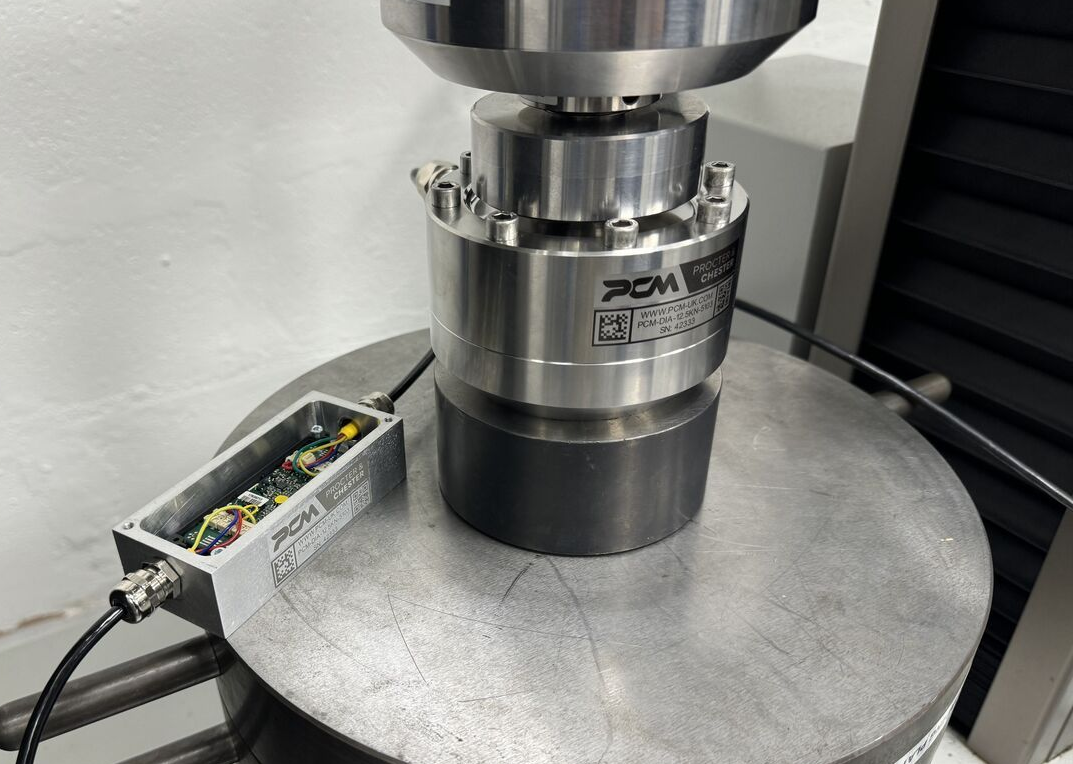
Accurate calibration is fundamental to any reliable measurement system. Where required, we can calibrate your instrumentation together with the connected load cell, torque transducer or other sensor, verifying the complete measurement chain in its actual operating configuration.
We offer both traceable and, where applicable, UKAS accredited calibration to ISO/IEC 17025. Each calibration is supported by detailed certification and traceability to national standards, giving you confidence in the performance of the complete system rather than its individual components alone.
Frequently Asked Questions
What is load cell instrumentation?
Load cell instrumentation is the electronic equipment used to excite, measure, condition, display or transmit the electrical signal produced by a load cell.
A conventional strain gauge load cell typically produces a very small differential signal in millivolts per volt (mV/V). Instrumentation provides the bridge excitation and accurately measures this signal before converting it into useful engineering units or another electrical format.
Examples include load cell amplifiers, signal conditioners, digital indicators, data acquisition systems, transmitters and wireless telemetry.
Why is instrumentation required for load cells?
Most strain gauge load cells produce only a small mV/V signal and therefore cannot be connected directly to conventional voltage or current inputs without suitable electronics.
Load cell instrumentation supplies stable bridge excitation, amplifies the differential output, filters electrical noise and converts the measurement into a usable analogue or digital signal.
The instrumentation is therefore an integral part of the measurement chain and can have a significant influence on accuracy, resolution, stability and measurement uncertainty.
What does mV/V mean on a load cell?
mV/V means millivolts of output per volt of excitation and is the standard way of expressing the sensitivity of many strain gauge load cells.
For example, a 2 mV/V load cell excited with 10 V produces approximately 20 mV at its rated load: 2 mV/V x 10 V = 20 mV.
At zero load the bridge output will be close to zero, and the signal changes approximately proportionally with applied force.
What is the difference between a load cell indicator and a signal conditioner?
A load cell indicator normally conditions the load cell signal and provides a local numerical display in engineering units such as N, kN, kg or tonnes.
A signal conditioner primarily converts the raw load cell output into another electrical signal for use by a PLC, DAQ or control system and may not include a display.
Some instruments perform both functions and may additionally provide relays, alarms, data logging or digital communications.
What outputs are available from load cell instrumentation?
Load cell instrumentation can provide analogue and digital outputs to suit different measurement and control systems.
Common analogue outputs include 0-5 V, 0-10 V, +/-10 V, 0.5-4.5 V and 4-20 mA. Digital options can include USB, serial communications, CAN and industrial fieldbus interfaces depending on the instrument.
The optimum output depends on the receiving equipment, cable distance, required update rate, resolution and electrical environment.
What is the difference between a 4-20 mA and 0-10 V load cell output?
Both allow a conditioned load cell signal to be connected to industrial instrumentation or PLCs, but they have different characteristics.
A 0-10 V output represents load as a voltage and is straightforward to interface over relatively short cable runs. A 4-20 mA current loop output is generally more robust over longer cable distances and in electrically noisy industrial environments.
The 4 mA live zero also makes it possible for suitable systems to distinguish a zero measurement from certain wiring or power failures.
Can I connect a load cell directly to a PLC?
A raw mV/V strain gauge load cell can only be connected directly to a PLC if the PLC has a dedicated strain gauge or load cell input capable of supplying bridge excitation and measuring the differential mV signal.
Otherwise, a signal conditioner or transmitter is required to convert the load cell output into a signal accepted by the PLC, commonly 4-20 mA or 0-10 V.
PCM can supply the load cell and instrumentation as a matched system and configure the output for the customer's control system.
What is a digital load cell signal conditioner?
A digital signal conditioner converts the analogue output from a strain gauge load cell into digital measurement data.
It normally provides bridge excitation, amplification, analogue-to-digital conversion, filtering and calibration, and may provide functions such as tare, peak capture and scaling.
Digital conditioning can be particularly useful where measurements must be integrated directly into software, data acquisition or networked control systems.
What is wireless telemetry for load cells?
Wireless telemetry allows load cell or strain gauge measurements to be transmitted without a conventional wired connection between the sensor and receiving instrumentation.
It is particularly useful on rotating, moving or difficult-to-access components where cables would restrict movement or be impractical.
Telemetry systems can be used for applications including rotating shafts, wheels, drivetrains, machinery and temporary test installations. Depending on the system, power may be supplied by batteries or transferred inductively.
What is a load cell junction box used for?
A load cell junction box combines the signals from multiple load cells into a single measurement output. They are commonly used in weighing platforms, tanks, hoppers and other systems where several load cells support a common structure.
Many junction boxes also provide adjustment or corner balancing facilities to compensate for differences between individual sensors and mechanical load distribution.
The junction box must be compatible with the load cell bridge resistance, wiring configuration and required environmental protection.
Can a load cell and instrumentation be calibrated together as a system?
Yes. A load cell and its associated indicator, amplifier or signal conditioner can be calibrated together as a complete measurement chain. This allows the calibration to include the behaviour of both the sensor and instrumentation rather than calibrating each component independently.
The system can then be configured to provide a required engineering unit display or analogue output at known applied forces.
PCM can calibrate compatible load cells together with their instrumentation and provide calibration documentation for the complete measurement system.
How do I choose the right load cell instrumentation?
The correct instrumentation depends on the load cell output, bridge resistance, excitation requirements, required accuracy and resolution, measurement speed and the system receiving the measurement.
Consider whether a local display is required, the required analogue or digital output, cable length, environmental conditions, data logging requirements and whether the application is static or dynamic.
For complete measurement systems, selecting the load cell and instrumentation together usually produces a better result than treating them as independent components.